





Silvered Centre Table
A silvered centre table anchors a room with reflective brilliance, offering a distinctive surface that catches the light and draws the eye.
Materials and construction
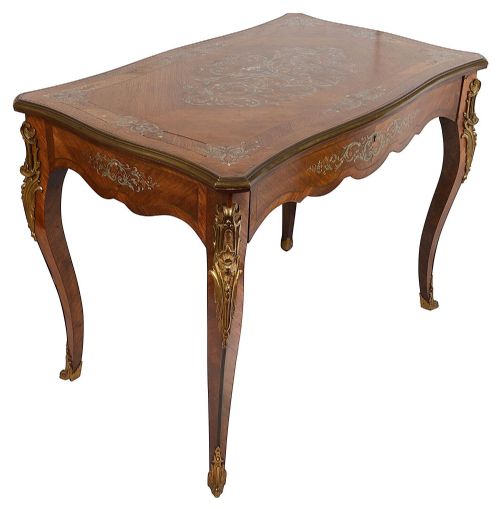
Craftsmen built these tables using robust timbers such as mahogany, walnut, maple, and rosewood, often applying veneers or solid construction depending on the period. Ormolu mounts, silver inlay, and parcel-silvered paint finishes were applied to enhance the visual depth of the woodwork.
Surfaces frequently incorporated specialist treatments, including silvered glass tops and marble inserts, paired with carved or turned wooden supports. Metal elements relied on traditional casting and plating techniques, including silver plate and Old Sheffield Plate.
Distinctions in quality
Quality rests in the execution of the surface finish and the selection of cabinet timbers. Superior examples display crisp detail in parcel-silvered mouldings, precise silver inlay, and flawless integration of marble or glass tops.
The integrity of the underlying joinery and the harmonious balance of proportions separate ordinary production from exceptional craftsmanship. Tables retain value when decorative metallic applications remain stable and wood substrates show considered grain selection.
Silvered Centre Table Retail Price Guide 2026
Typical asking prices for silvered centre table among the pieces listed under this phrase on Sellingantiques today, from the lower quarter to the upper quarter. They describe what is for sale here now, not the wider market.
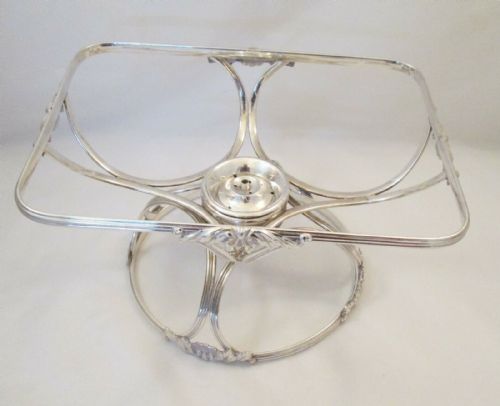
Some tables double as rotating dish rings with burners, ensuring your supper stays warm while spinning gracefully during dinner conversation.
Elkington·Joseph Rodgers
The Silvered Centre Table Glossary
- Parcel-silvered
- Partially covered or highlighted with silver leaf or silver paint. This technique accentuates carved details and mouldings against a contrasting painted or wood background.
- Ormolu
- Gilded bronze used for decorative mounts and ornamentation. It provides a warm golden contrast to silvered surfaces and dark hardwoods.
- Old Sheffield Plate
- An early method of fusing a thin sheet of sterling silver to a copper base. This technique precedes modern electroplating and appears on older serving pieces and table components.
- Epergne
- A large ornamental centrepiece featuring multiple branches, baskets, or dishes. It stands centrally on a table to hold fruit, flowers, or sweetmeats.
- Repoussé
- Metalworking technique where the artisan hammers the design from the reverse side to form a raised pattern in relief. It creates tactile surface decoration on silver and silver-plated items.
Silvered Centre Table: Frequently Asked Questions
What is a silvered centre table?
A silvered centre table is a freestanding piece of furniture designed to stand in the middle of a room, featuring a silvered finish, metallic leaf, or a silvered glass top.
These tables function as decorative statements and practical surfaces, often drawing on French Empire, Louis XVI, or Art Deco design traditions.
How do I care for a silvered surface?
Silvered surfaces require gentle dusting with a soft, dry cloth to prevent abrasion of the delicate metallic layer. Avoid liquid polishes, abrasive cleaners, and direct sunlight, which can tarnish or degrade silver leaf and painted finishes over time.
Where should I place this table?
These tables belong in principal reception rooms, hallways, or dining spaces where they can be viewed from multiple angles. Positioning them away from high-traffic pathways protects the delicate metallic tops and inlaid borders from accidental knocks.
How can I tell the period of a table?
Dating relies on examining the combination of timber species, construction joints, and decorative vocabulary such as Empire revival mounts or Art Deco geometric lines. Material choices, from early mahogany to later birds eye maple, provide strong chronological clues.