



Silver Vesta Container
A silver vesta container holds safety matches safely in the pocket, combining practical pocket utility with fine metalwork from the Victorian and Edwardian eras.
Silver Vesta Container
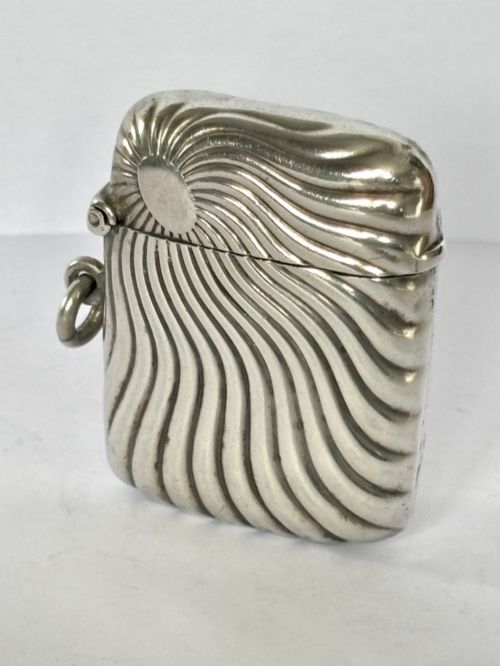
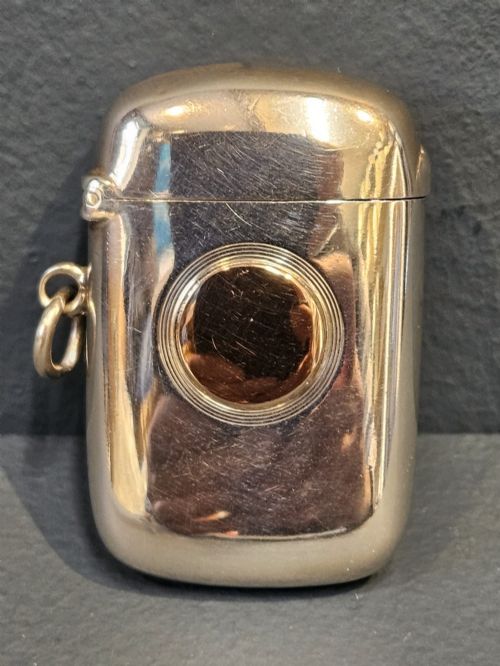
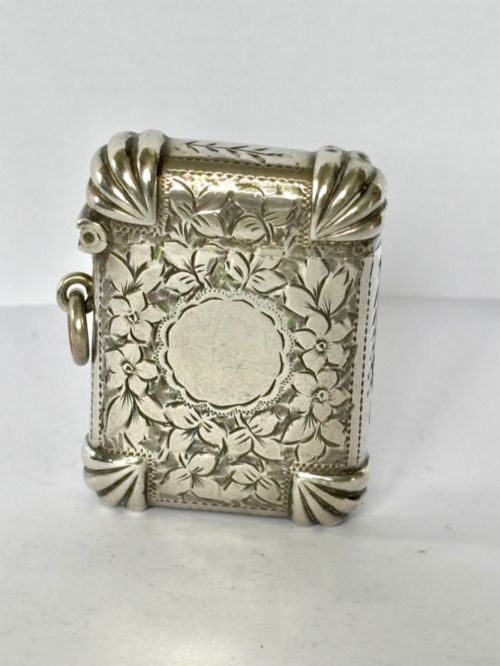
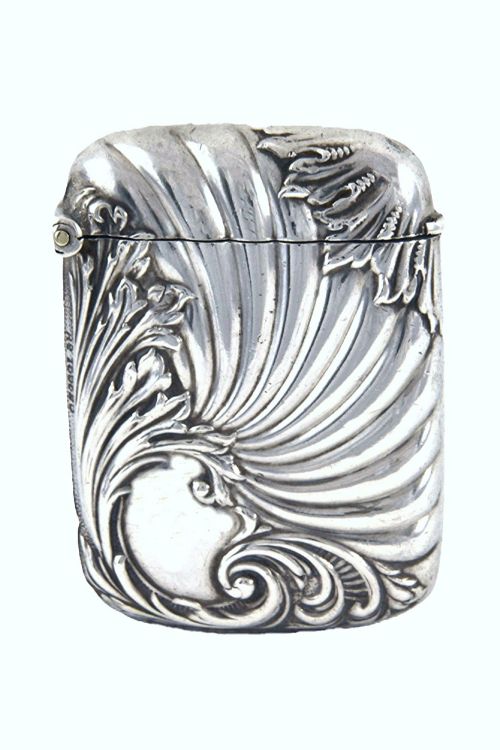
A silver vesta container serves as a small pocket case designed to hold matches and strike them on an integrated serrated edge. These portable containers became essential accessories during the nineteenth and twentieth centuries when smokers needed dry matches close at hand.
Buyers browsing this selection will most frequently encounter standard sterling silver cases alongside novelty forms shaped like animals or sentry boxes. The inventory spans the Victorian and Edwardian periods, featuring makers from Birmingham alongside desk accessories and sovereign cases.
How they were made
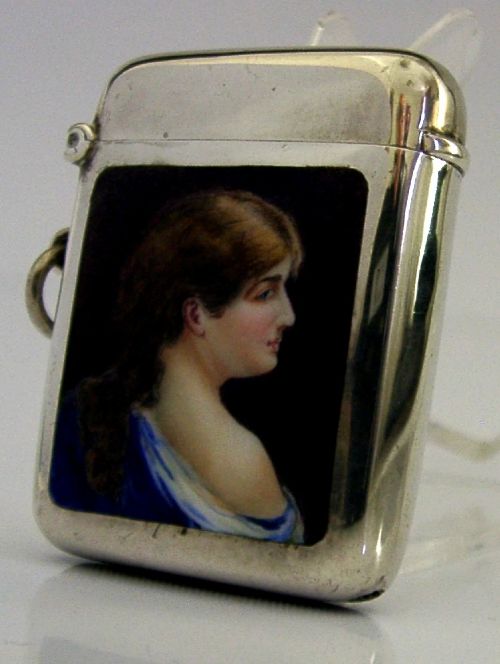
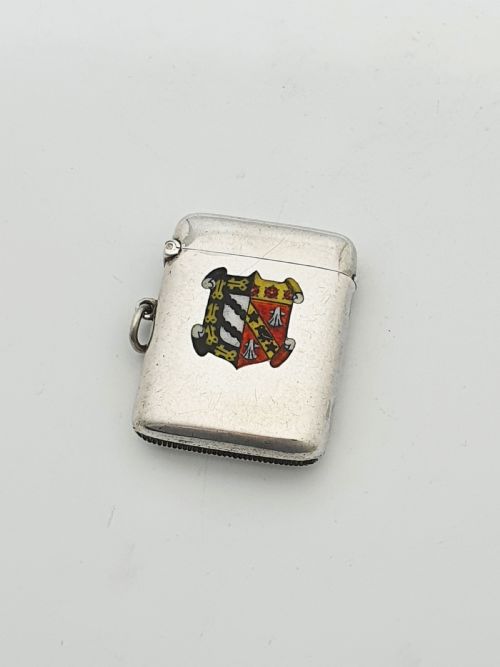
Silversmiths utilised sterling silver and 9ct gold to construct these durable pocket containers, often adding vitreous enamel or hand-painted details for visual effect. Panels of coloured enamel create striking sunburst patterns and crests on the metal surface.
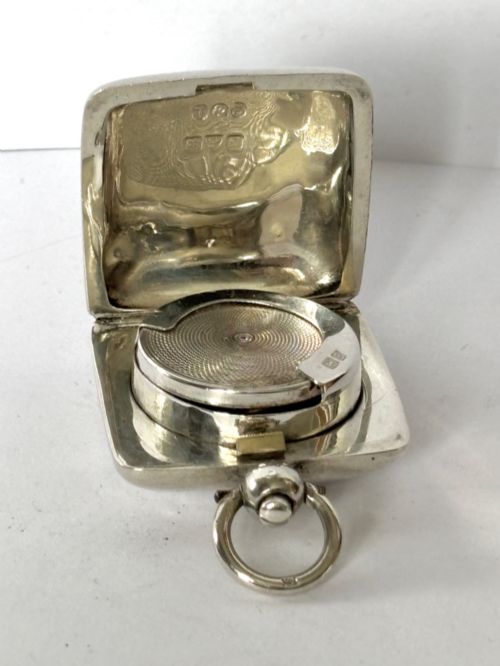
Makers applied hallmarks to indicate the metal standard, assay town, and date of manufacture, ensuring a reliable record of origin. Hinged lids and striker bases were carefully fitted to keep matches secure and dry during daily carriage.
Silver Vesta Container Retail Price Guide 2026
Typical asking prices for silver vesta container among the pieces listed under this phrase on Sellingantiques today, from the lower quarter to the upper quarter. They describe what is for sale here now, not the wider market.
One particularly charming item takes the literal form of a cat equipped with proper hallmarks.
What varies in quality
EV PLEDGE & SON·ROBERT CHANDLER·Sampson Mordan
The Silver Vesta Container Glossary
- Vesta case
- A small pocket container specifically designed for holding matches and featuring a serrated striking strip on the base. These items were widely used before the invention of disposable lighters.
- Sterling silver
- An alloy comprising 92.5 percent silver and 7.5 percent other metals, usually copper, chosen for durability in tableware and small accessories. This standard forms the primary material for the majority of these containers.
- Vitreous enamel
- Glass fused to metal through high-temperature firing, producing a smooth and coloured decorative coating. This technique creates vibrant panels on select period pieces.
- Sovereign case
- A compact round container engineered to hold gold sovereign coins securely in the pocket. Many examples are paired with vesta compartments for dual utility.
- Hallmark
- An official stamp applied by an assay office to indicate metal purity, origin, and year of manufacture. British silver items typically display a sequence of specific marks.
Silver Vesta Container: Frequently Asked Questions
What is a vesta case used for?
A vesta case holds matches safely in the pocket and prevents them from dampness or accidental friction. The textured base allows the user to strike the match directly on the case.
These portable items were standard everyday accessories for Victorian and Edwardian gentlemen and ladies who smoked pipes, cigars, or cigarettes.
How do I identify a Victorian vesta?
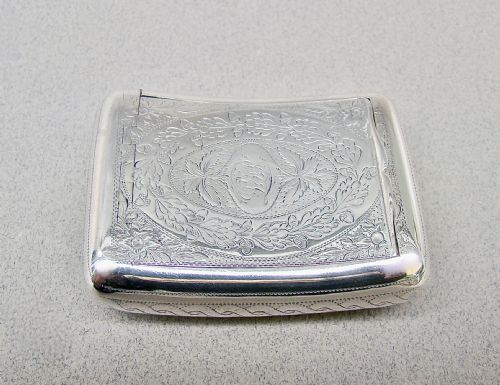
Victorian examples typically feature hallmarks indicating assay offices like Birmingham alongside date letters corresponding to the nineteenth century. Stylistic cues include floral engraving, shaped outlines, and substantive sterling silver construction.
Makers during this era also produced novelty animal forms and specialised containers incorporating gold elements.
What is a sovereign case?
A sovereign case is a small circular container designed to hold British gold sovereign coins securely in the pocket. Some pocket pieces combine this coin storage with a match container.
These combination accessories reflect the practical requirements of daily financial transactions during the Edwardian period.
Are these cases made of solid silver?
The majority of listings consist of sterling silver or solid silver construction, occasionally accented with 9ct gold components. Vitreous enamel panels are also applied across metal surfaces on specific decorative pieces.
Assay marks stamped onto the metal confirm the exact standard used by the silversmith.