

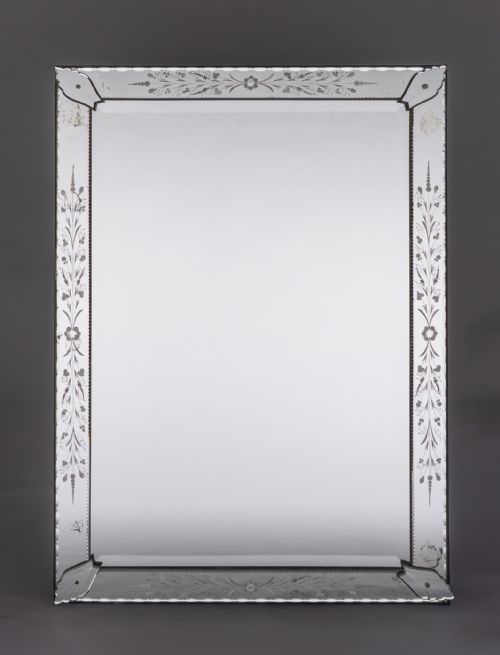


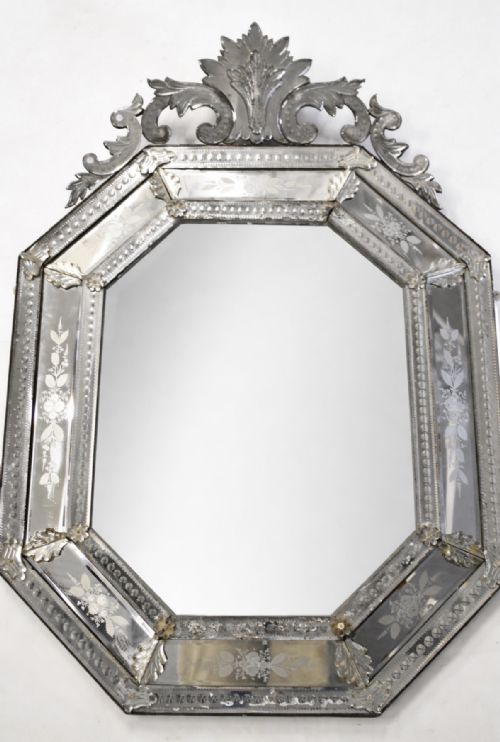


Silver Venetian Wall Mirror
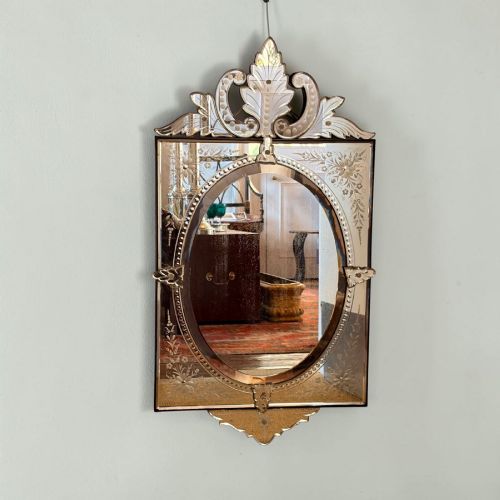
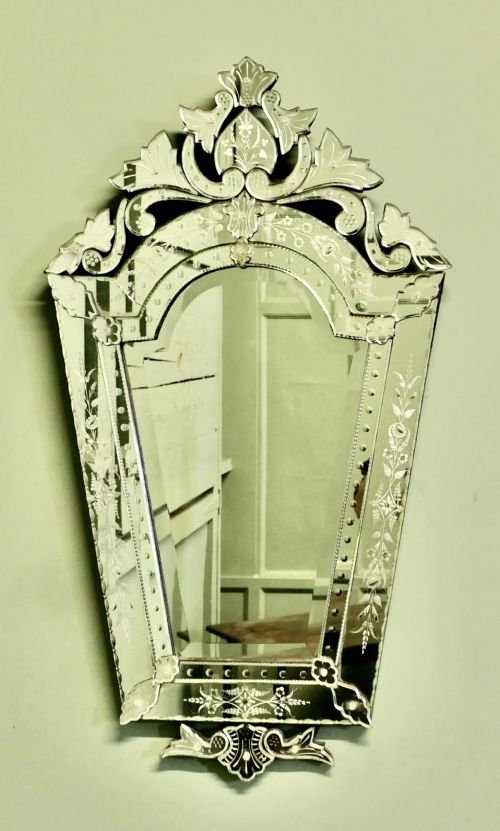
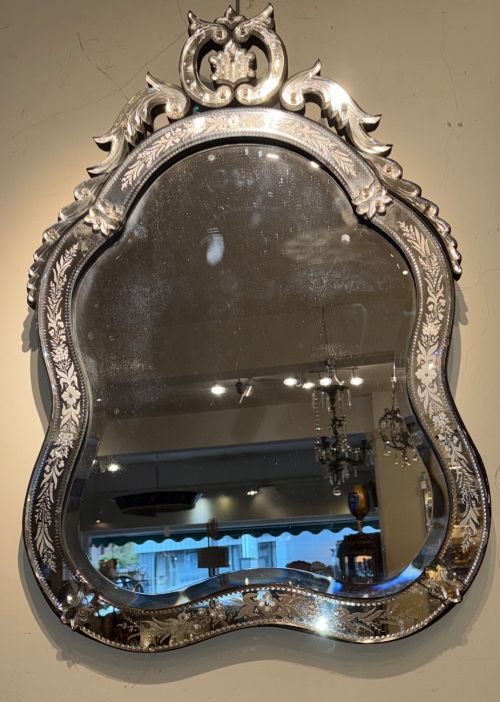
These silver venetian wall mirror examples bring carved wood and silver leaf elegance into a room.
Silver Venetian Wall Mirror
A silver venetian wall mirror is a decorative looking glass originating from Italy and spanning multiple centuries of craftsmanship. When searching this phrase, a buyer encounters wall mirrors and overmantle mirrors defined by distinctive glass and frame configurations.
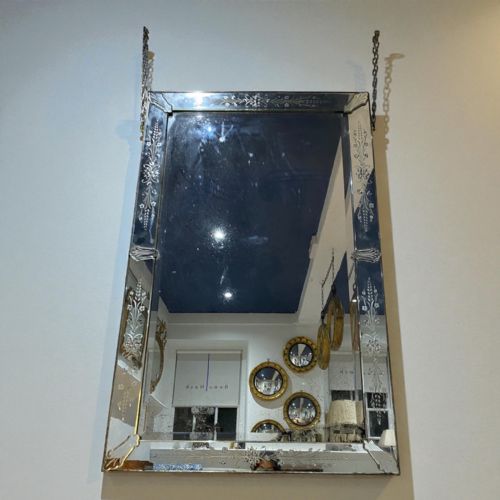
The versions most commonly met on this page range from nineteenth-century cushion mirrors to Edwardian examples and early twentieth-century Art Deco interpretations. These pieces combine traditional Venetian styling with mirror glass, carved wood, and silver leaf materials.
Origins vary between authentic Italian pieces and later works influenced by Venetian aesthetics, including eighteenth-century styles produced with silvered glass. Each piece offers a reflection of historic design, functioning simultaneously as wall art and a practical mirror.
How they were made
Makers constructed these mirrors using wooden frames that supported glass plates, often applying silver leaf to achieve a reflective metallic sheen. Carved wood details provided structural form, particularly on cushion mirrors and elaborately styled frames.
Glass plates featured bevelled edges and hand-engraved surface patterns, while time imparted natural foxing to the silvered glass over decades of use.
Silver Venetian Wall Mirror Retail Price Guide 2026
Typical asking prices for silver venetian wall mirror among the pieces listed under this phrase on Sellingantiques today, from the lower quarter to the upper quarter. They describe what is for sale here now, not the wider market.
Listings on this site feature silver venetian wall mirror examples spanning the eighteenth century through to the Art Deco period.
What varies in quality
Quality in these mirrors rests upon the depth of the hand-carved wooden frame and the purity of the silver leaf application. Finer examples display intricate engraving across the glass plate rather than simple plain surfaces.
The integrity of the original mirrored glass and the crispness of the Venetian styling separate ordinary decorative frames from superior historical pieces.
The Silver Venetian Wall Mirror Glossary
- Cushion mirror
- A mirror featuring a convex or sloping outer frame made of glass sections that angled towards the central plate. This design caught light from multiple directions in candlelit rooms.
- Silver leaf
- Extremely thin sheets of metal beaten from silver and applied to wooden frames. It creates a bright, reflective metallic finish that patinates with age.
- Foxing
- The brown spots and age-related degradation appearing within the silver backing of old mirrors. Collectors view this as proof of genuine antique age.
- Overmantle mirror
- A large horizontal mirror designed specifically to hang above a fireplace mantelpiece. They dominated nineteenth-century interior reception rooms.
- Venetian Rococo
- An ornate decorative style characterised by asymmetric scrolls, shell motifs, and elaborate floral glasswork. Originating in Italy, it influenced later mirror frames.
Silver Venetian Wall Mirror: Frequently Asked Questions
Where should I hang a Venetian mirror?
These mirrors suit principal reception rooms, hallways, or above a fireplace mantel where they can reflect natural light and open up the space.
Ensure the wall structure can support the combined weight of the wooden frame and heavy glass plates.
How do I date an old Venetian mirror?
Dating relies on examining the construction of the wooden backing, the type of silvering on the glass, and stylistic cues from periods like the Edwardian era or the nineteenth century.
Hand-engraved glass and natural foxing patterns also help establish the chronological origins of the piece.
Are these mirrors fragile?
The combination of carved wooden frames and extensive mirrored glass requires careful handling during mounting and relocation.
Professional hanging hardware suited to the weight of the specific frame ensures secure installation on domestic walls.