

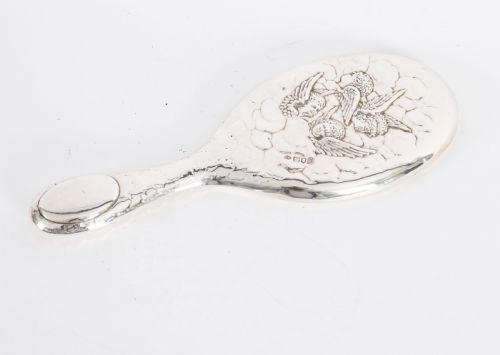


Silver Vanity Set Mirror
A silver vanity set mirror brings dressing table elegance into your hands, catching the light across embossed panels, smooth enamel, and polished sterling frames.
Silver Vanity Set Mirror
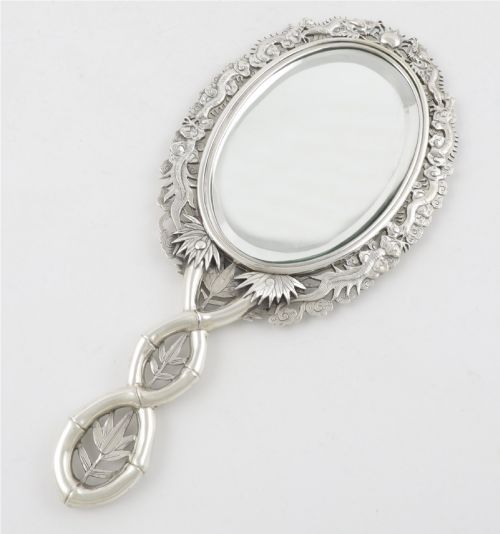
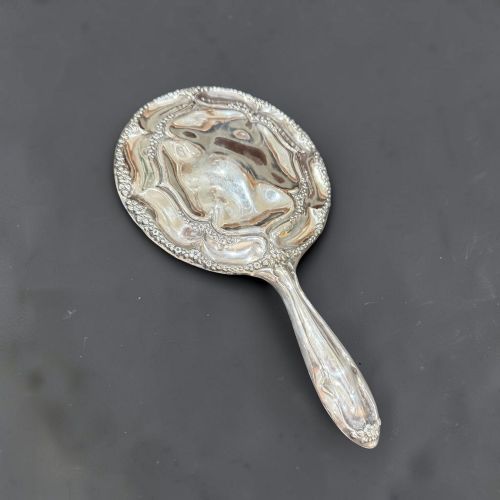
A silver vanity set mirror centres on handheld dressing glasses, alongside larger wall mirrors, compacts, and fitted travelling cases. When buyers search for a silver vanity set mirror, they encounter portable looking glasses spanning Victorian, Edwardian, and Art Deco periods.
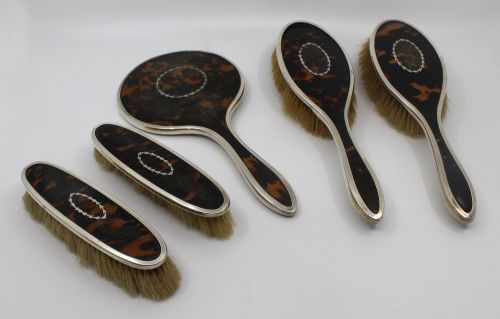
The objects take several distinct forms, from simple sterling silver hand mirrors to complex sets containing brushes and matching trays. Most examples date from the late nineteenth century through to the middle twentieth century, executed in recognisable historical styles.
Origins range from British provincial assay offices to Chinese export workshops, offering variety in both handle construction and decorative motifs. Each piece reflects the grooming habits and dressing table fashions of its original era.
Materials and construction methods
Silversmiths constructed the frames and backs using sterling silver or silver gilt, often combining them with bevelled glass mirror plates. Handles utilise contrasting materials such as natural bamboo, carved hardwoods, and faux tortoiseshell to provide a secure grip.
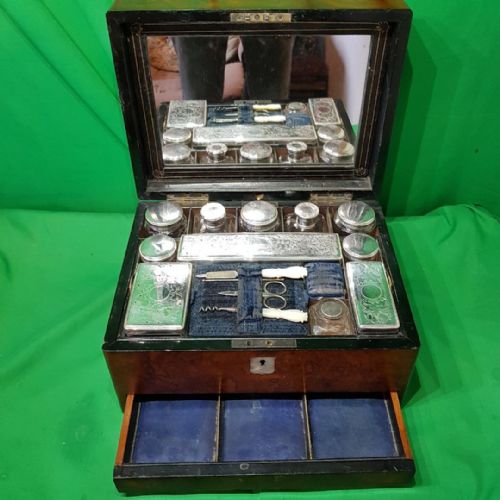
Decoration relied on traditional metalworking techniques including embossing, engine turning, and applied guilloche enamel. Travelling variants incorporate fitted wooden boxes veneered in burr walnut to house the glass elements securely during transit.
Silver Vanity Set Mirror Retail Price Guide 2026
Typical asking prices for silver vanity set mirror among the pieces listed under this phrase on Sellingantiques today, from the lower quarter to the upper quarter. They describe what is for sale here now, not the wider market.
Some Victorian travellers carried velvet-lined burr walnut boxes equipped with hidden compartments for secret keepsakes alongside their mirrors.
Understanding quality in dressing silver
Quality rests upon the crispness of the silversmith's chased or embossed decoration and the precision of engine-turned patterns. Heavily weighted frames and thick gauge silver plate distinguish superior pieces from lighter, more utilitarian counterparts.
The condition of the reflective glass plate and the integrity of any applied enamel or tortoiseshell panels dictate the overall desirability. Original fitted boxes and complete matching sets command greater attention than isolated, stray items.
Cum Shing·Charles Boyton
The Silver Vanity Set Mirror Glossary
- Guilloche
- A decorative mechanical technique that etches intricate geometric patterns into metal beneath a translucent layer of coloured enamel. This process was particularly popular during the Art Deco period.
- Engine turned
- A method of precision machining that cuts fine, repeating linear or circular designs into a metal surface using a rose engine lathe. It adds texture and reduces the visibility of minor handling marks.
- Sterling silver
- A standard alloy consisting of silver and other metals, usually copper, to increase durability while maintaining a high purity level. British pieces typically bear hallmarks indicating this standard.
- Silver gilt
- Silver objects that have been coated with a thin layer of gold over the primary metal surface. This finish provides a warm, rich tone often seen in travelling vanity sets.
Silver Vanity Set Mirror: Frequently Asked Questions
What is a silver vanity set mirror?
A silver vanity set mirror is a handheld or dressing table glass featuring a decorative metal frame, produced primarily during the Victorian, Edwardian, and Art Deco eras.
These pieces formed part of larger grooming sets used for daily hair dressing and personal presentation in the bedroom.
How do I date a silver mirror?
Dating relies upon examining the assay office hallmarks stamped into the metal framework, which indicate specific years of production.
Stylistic indicators such as Art Nouveau floral motifs or geometric Art Deco guilloche enamel also help place the piece within a specific decade.
Were these mirrors used for travel?
Many examples were specifically designed for transport, housed within fitted travelling cases alongside brushes, boxes, and compartments.
These gentleman's and ladies' sets allowed owners to maintain their grooming routines while away from home.
How should I clean silver frames?
Silver frames require gentle cleaning with a specialist cloth to remove tarnish without disturbing the glass plate or handle materials.
Harsh dips must be avoided, especially on pieces featuring enamel, tortoiseshell, or delicate wooden components.