



Silver Vanity Collectable
These silver vanity collectables are portable dressing table accessories and pocket essentials, offering a touch of period elegance for the collector.
Silver Vanity Collectable
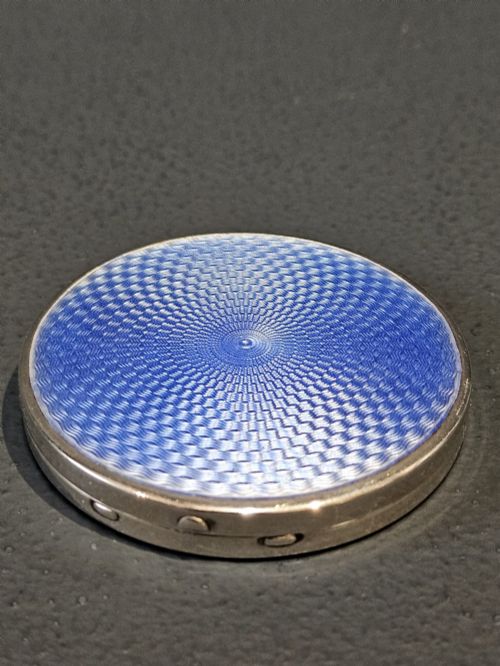
When you search for a silver vanity collectable, you encounter a range of personal dressing table items and pocket pieces from the nineteenth and twentieth centuries. These encompass powder compacts, scent bottles, vinaigrettes, pill boxes, and sewing accessories.
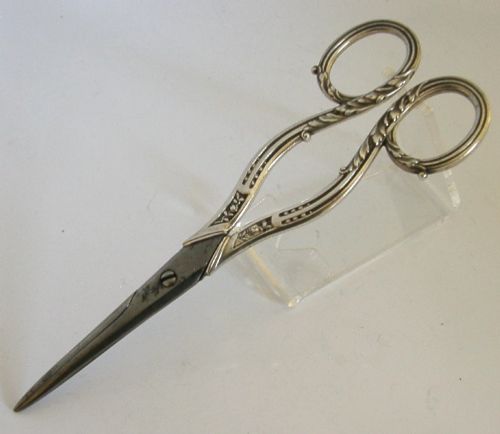
The versions you are most likely to meet on this page date from the Victorian and Edwardian eras through to the Art Deco period and the nineteen-fifties. They take forms such as engine turned enamel compacts, mounted scent bottles, and silver handled scissors.
Originating from makers and workshops in Britain and France, these objects serve as tangible links to historical grooming and toilette habits. They utilise precious metals and decorative finishes designed to sit upon a boudoir table or travel in a handbag.
How they were made
These pieces rely on sterling silver, silver gilt, and chrome shaped into functional housings and handles, often paired with steel for cutting edges. Artisans combined these metals with organic or glass elements such as cobalt glass inserts and cotton spools.
Decoration involved intricate techniques including engine turning and guilloche enamel applied in blue and multi-coloured patterns. Makers also mounted natural and manufactured materials together, securing precious metal frames around glass bottles and enamel plaques.
Silver Vanity Collectable Retail Price Guide 2026
Typical asking prices for silver vanity collectable among the pieces listed under this phrase on Sellingantiques today, from the lower quarter to the upper quarter. They describe what is for sale here now, not the wider market.
A golf club handle repurposed as a button hook proves Edwardians brought their sporting passions to their dressing tables.
What varies in quality
Quality in these collectables rests upon the crispness of the metalwork, the complexity of the engine turning, and the integrity of the enamel surfaces. Pieces featuring intact, unchipped guilloche enamel and clearly defined silver hallmarks stand apart from plainer or heavily worn examples.
The reputation of the maker, such as recognised houses like Richard Hudnut or Houbigant, distinguishes standard utilitarian items from designer pieces. Furthermore, the survival of original components, from glass scent stoppers to interior mirrors, defines the desirability of the surviving object.
Edward Smith·Richard Hudnut·Houbigant·Hermes
The Silver Vanity Collectable Glossary
- Sterling Silver
- An alloy of silver containing ninety-two point five percent by mass of silver and seven point five percent by mass of other metals, usually copper. This standard composition is frequently stamped with hallmarks indicating purity and origin.
- Guilloche Enamel
- A decorative technique in which a precise, intricate pattern is mechanically engraved into a metal substrate under translucent enamel. This method creates a reflective, shimmering surface quality popular in twentieth-century design.
- Vinaigrette
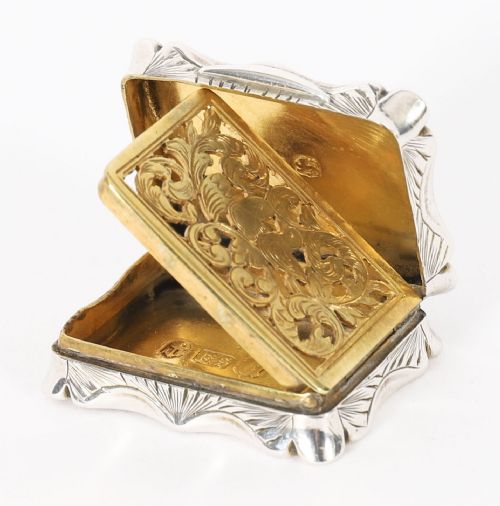
- A small ornamental box featuring a perforated inner grille, historically used to hold a sponge soaked in aromatic vinegar. These pieces were carried for relief against unpleasant odours.
- Engine Turned
- A method of ornamentation produced by a machine that etches geometric patterns into metal. It provides a tactile, light-catching texture across compacts and cigarette cases.
- Silver-Gilt
- Silver that has been coated with a thin layer of gold on its surface. This finish combines the strength of silver with the rich warm colour of gold.
Silver Vanity Collectable: Frequently Asked Questions
What is a silver vanity collectable?
These pieces comprise small personal accessories used for grooming and toilette, ranging from powder compacts to scent bottles and button hooks.
They combine precious metals with decorative arts, reflecting the personal style of their owners across the Victorian, Edwardian, and Art Deco eras.
How were vinaigrettes used?
A vinaigrette served to hold a scented sponge behind a pierced inner grille, providing a portable source of refreshing aroma.
Ladies carried them in pockets or reticules during the nineteenth century when urban environments presented unpleasant smells.
How do I date an enamel compact?
Dating relies on stylistic markers such as the geometric lines of Art Deco design or the floral motifs of the Victorian period. Hallmarks stamped into the silver framework further pinpoint the exact year of manufacture and assay office.
How do I care for antique silver and enamel?
Keep these pieces away from harsh chemical dips that can damage delicate enamel surfaces or strip away original gilt finishes. Gentle dusting with a soft cloth and careful handling of hinged lids preserve their condition over time.