







Silver Urn Vases
Silver urn vases bring classic proportion to a room, pairing neoclassical shapes with the quiet gleam of metal or silvered glass.
Silver Urn Vases
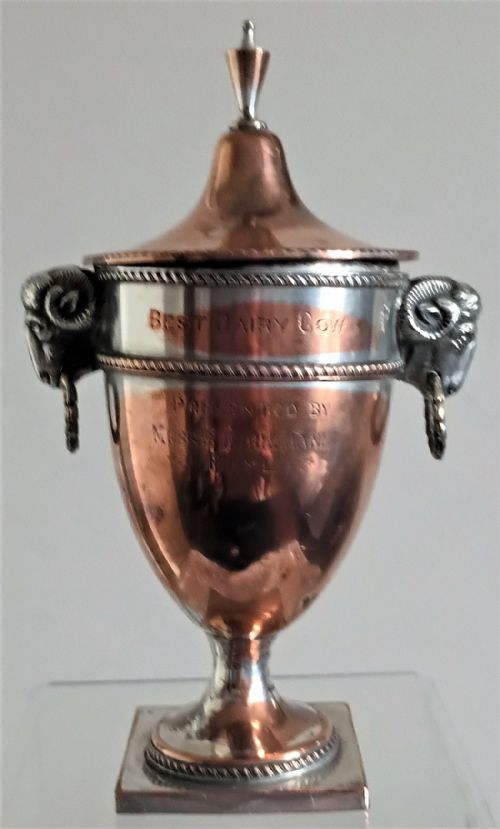
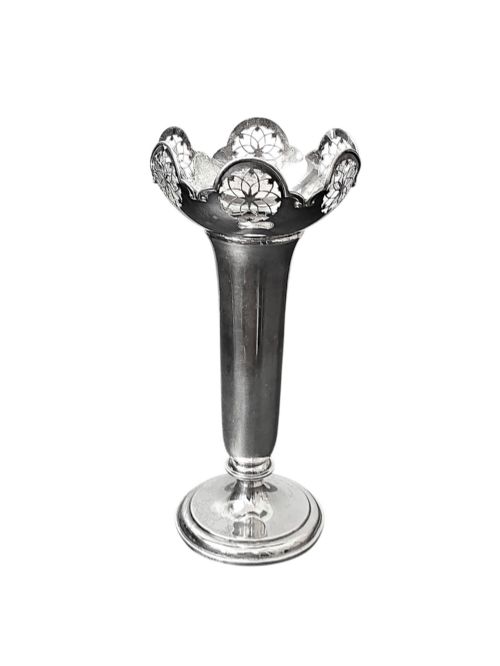
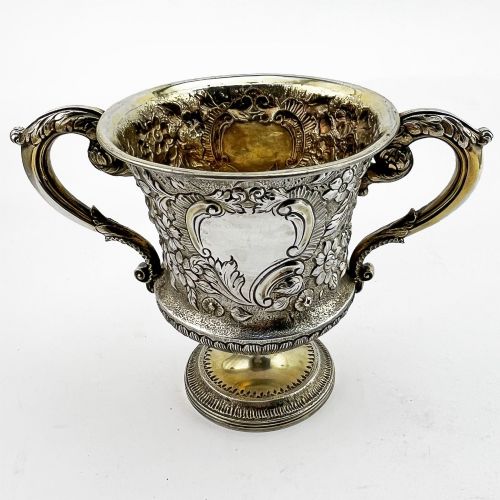
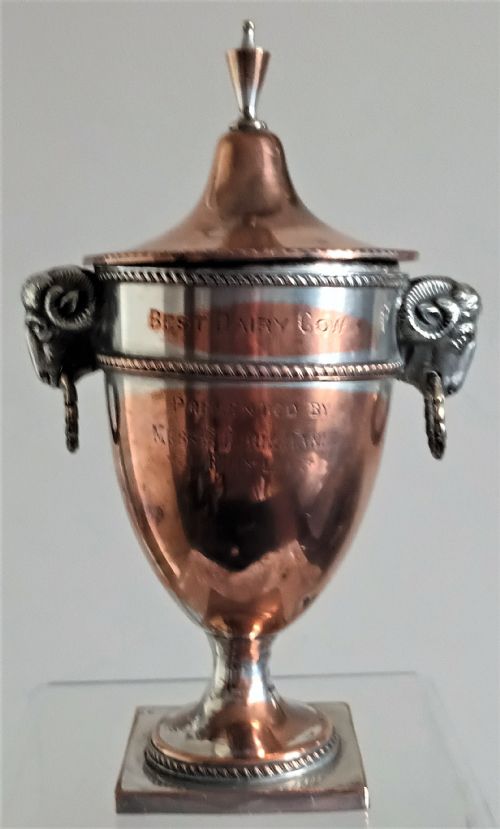
Silver urn vases encompass classical vessels, mounted glassware, and decorative containers produced across the eighteenth, nineteenth, and early twentieth centuries. Pieces range from formal Georgian sterling silver cups and Old Sheffield plate chestnut urns to decorative vessels in bronze, terracotta, and chrome.
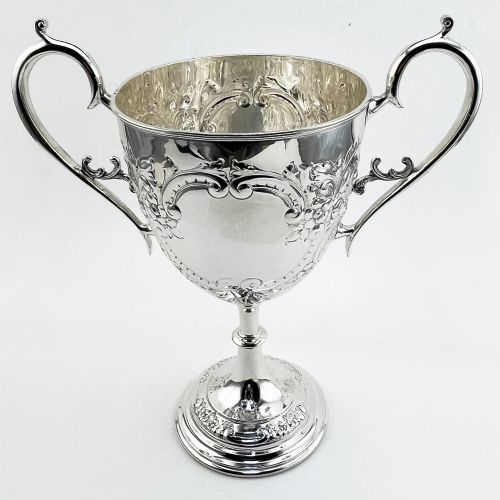
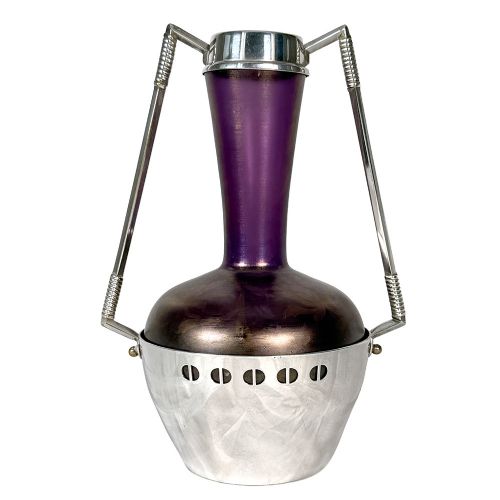
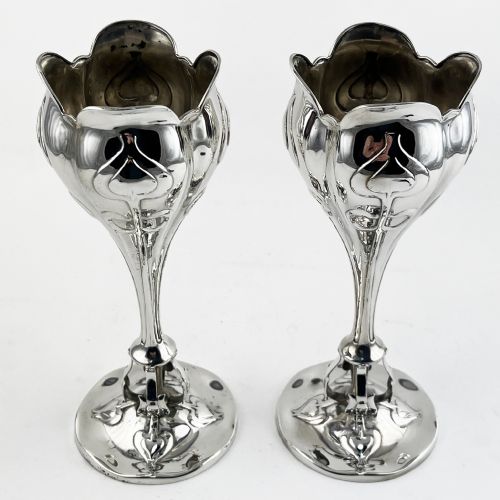
Art Nouveau and Secessionist examples dominate the selection, frequently pairing iridescent or wheel-carved glass with intricate silver plate mounts, pewter overlays, or silvered finishes. Victorian and Edwardian interpretations introduce twin-handled designs, heavy baluster forms, and regional silver work from Ireland, India, and China alongside continental Jugendstil creations.
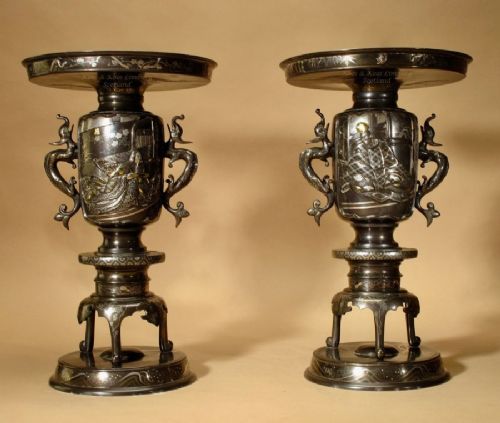
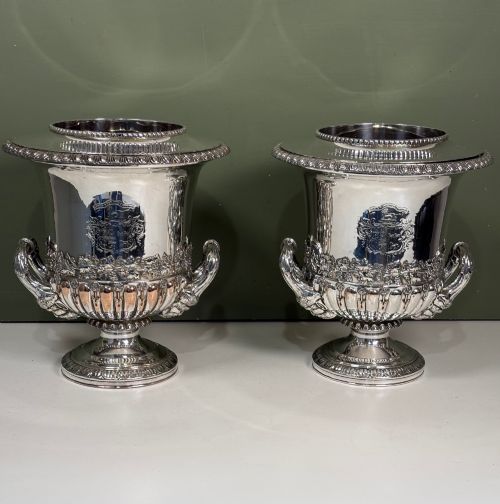
Functional wine coolers, tea caddies, and lidded pedestal urns sit alongside purely decorative vases. Buyers encounter both singular statement pieces and symmetrical pairs suited for mantelpieces or side tables.
Materials and construction
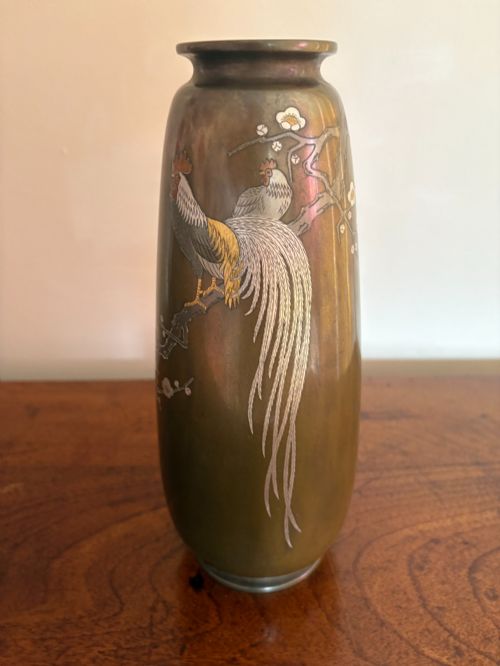
Makers utilised solid sterling silver, silver plate, and Old Sheffield plate alongside non-precious metals such as bronze, chrome, and copper. Metalwork components were cast, hand-hammered, or shaped into classical campana and baluster silhouettes, often incorporating applied cast mounts, handles, and decorative cabochons.
Glass production required specialist techniques including wheel-carving, double-wall construction, and the application of iridescent or silvered phänomen finishes. Artisans combined these fragile glass bodies with supportive metal armatures, mounts, and pewter overlays to create structured composite vessels.
Silver Urn Vases Retail Price Guide 2026
Typical asking prices for silver urn vases among the pieces listed under this phrase on Sellingantiques today, from the lower quarter to the upper quarter. They describe what is for sale here now, not the wider market.
Some miniature chestnut urns spent their early lives keeping roasted nuts warm beside the Georgian hearth before finding new purpose as desktop ornaments.
Standards of craftsmanship
Quality rests in the precision of the metalwork and the integration between different materials. Superior pieces display crisp casting detail in handles and mounts, balanced proportions in classical urn bodies, and seamless unions where glass meets silver plate or sterling mounts.
The distinction between standard commercial production and finer work lies in hand-finishing, such as finely chased surface decoration, delicate wheel-carving on glass, and the depth of iridescence or silvering on specialised glass bodies.
Loetz·Argentor·Georg Adam Scheid·Daum·KANASAWA·Loetz Witwe·Varnish·Hodsoll Collection·Beldray Ltd·Hukin & Heath
The Silver Urn Vases Glossary
- Campana
- A bell-shaped vessel with an everted rim and a pedestal foot, typical of classical urns. This silhouette forms the basis for many Georgian and neoclassical silver presentation pieces.
- Old Sheffield Plate
- A fused composite material made by melting a sheet of sterling silver onto a thicker copper base before rolling them together. This technique predates modern electroplating and leaves a characteristic thin silver layer.
- Iridescent Glass
- Glass treated with metallic vapours while hot to produce a shimmering, rainbow-like surface sheen. This finish defines many Art Nouveau vessels produced around nineteen hundred.
- Secessionist
- An artistic movement spanning central Europe that rejected historicism in favour of geometric forms and stylised natural motifs. Works from this circle often feature clean lines paired with metal mounts.
- Baluster
- An architectural column shape with a swollen lower portion tapering towards the neck. Vessels following this form offer a stable base and generous volume.
Silver Urn Vases: Frequently Asked Questions
What is a silver urn vase?
A silver urn vase is a decorative or functional vessel that adopts classical urn proportions while incorporating silver, silver plate, or silvered mounts. These objects bridge the gap between sculptural metalwork and traditional flower vessels.
They appear across multiple eras, from eighteenth-century Georgian dining room pieces to experimental Art Nouveau glass creations mounted in metal frames.
How do I identify Art Nouveau examples?
Art Nouveau specimens typically feature organic motifs, flowing lines, and iridescent or silvered glass bodies. Look for whiplash curves in the metal mounts, pewter overlays, and stylised plant forms.
Makers from this period often combined experimental glass techniques with intricate metal armatures to create distinctive decorative silhouettes.
What is Old Sheffield Plate?
Old Sheffield Plate is an early form of plated metal created by fusing a thin layer of sterling silver to a copper core. This technique was widely utilised before the invention of electroplating.
Items made this way display the rich warmth of genuine silver while maintaining the structural strength of copper underneath.
Where should I display these pieces?
These vessels suit prominent surfaces such as sideboards, mantelpieces, and entrance tables where their reflective surfaces catch natural light. Paired items work effectively as symmetrical focal points.
When displaying fragile glass and metal combinations, choose stable locations away from heavy household traffic to protect delicate mounts and overlays.
How are paired urns different from single pieces?
Paired urns were designed to create symmetrical balance on formal sideboards or architectural mantels during the eighteenth and nineteenth centuries. They share identical dimensions, materials, and decorative programs.
Single pieces often functioned as presentation cups, tea caddies, or individual cabinet ornaments rather than matching decorative sets.