



Silver Trunk Box
When you search for silver trunk box, you are looking at sturdy wooden chests and smaller boxes built to transport and store precious tableware.
Silver Trunk Box
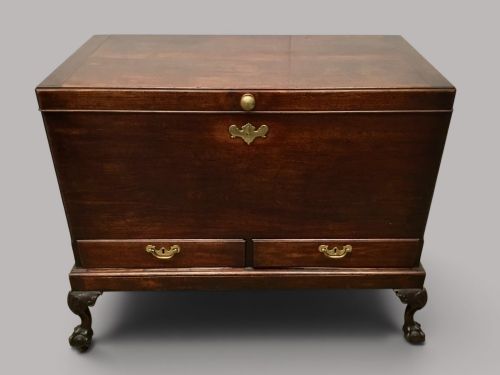
A silver trunk box represents a category of heavy storage vessels made from the eighteenth century through to the twentieth century. These pieces range from substantial oak and iron-banded travel chests designed for country houses and ships to smaller mahogany cases and novelty trinket boxes.
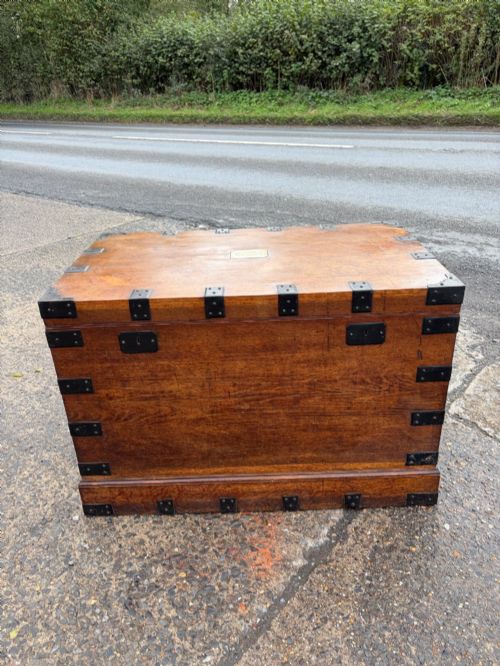
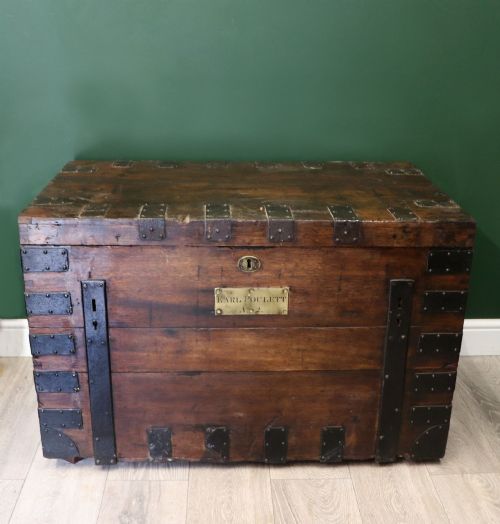
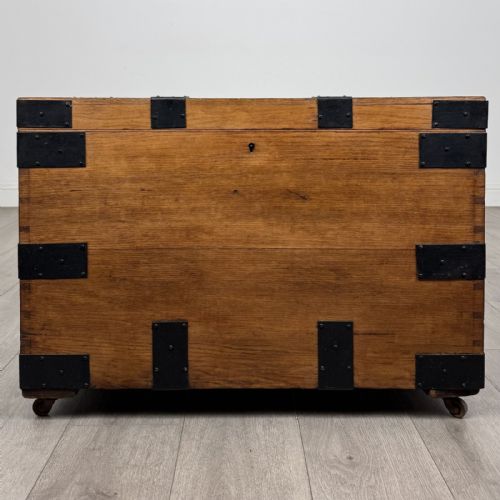
The version most commonly met on this page is the nineteenth century oak silver chest, often reinforced with iron or steel bands and fitted with robust carrying handles. Such pieces served to protect valuable silverware during transit on steamships, railways, or horse-drawn carriages.
Alongside large luggage forms, the selection includes Georgian hall trunks, Edwardian steamer trunks, and fitted vanity cases containing silver dressing table items. These objects combine practical utility with the substantial craftsmanship expected of high-status domestic storage.
How they were made
Makers constructed the primary carcasses of these trunks and chests using dense timbers such as oak and mahogany, often reinforced with structural iron or steel bands to withstand rough handling. These external metal bindings were secured with numerous rivets or screws to provide maximum rigidity during travel.
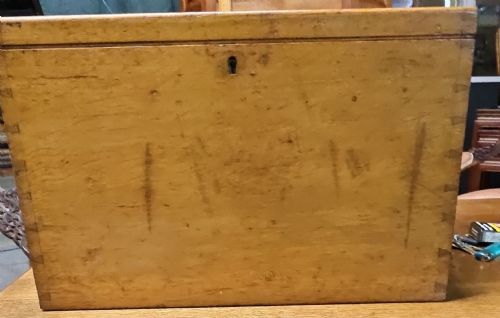
Internal arrangements frequently featured custom wooden compartmentalisation, sometimes lined with fabric, leather, or fitted trays to hold specific items like flatware and serving services. Exterior surfaces range from plain golden oak and hand-painted finishes to inlaid mahogany and novelty crocodile skin coverings.
Silver Trunk Box Retail Price Guide 2026
Typical asking prices for silver trunk box among the pieces listed under this phrase on Sellingantiques today, from the lower quarter to the upper quarter. They describe what is for sale here now, not the wider market.
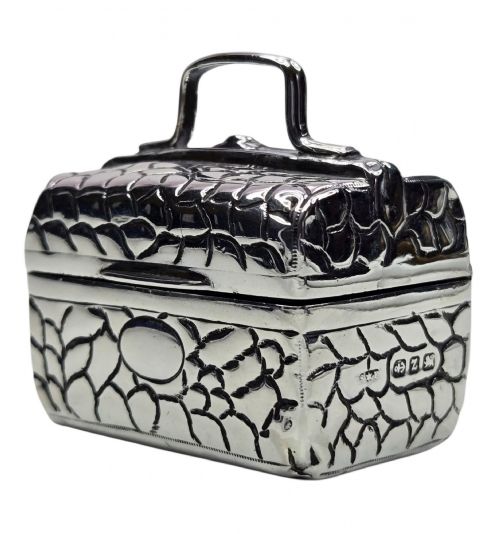
One exceptional Victorian novelty trunk wears an outer layer of genuine crocodile skin, bringing exotic texture to Birmingham manufacturing in 1899.
What varies in quality
The distinction between standard utility luggage and superior examples rests in the selection of timber, the weight of the iron mounts, and the sophistication of internal fittings. Heavy oak chests with bespoke internal divisions and signed maker details represent the higher end of the range.
Construction methods also dictate quality, particularly the dovetailing of carcass joints, the integrity of the metal binding, and the survival of original leather linings or painted estate markings. Pieces that retain working locks and functional carrying handles demonstrate superior original craftsmanship.
Elkington·Bond Street Silversmith Retailer
The Silver Trunk Box Glossary
- Silver chest
- A heavy wooden storage box reinforced with metal bands, designed specifically to secure and transport valuable silverware. These containers typically feature robust side carrying handles and secure locking mechanisms.
- Steamer trunk
- A luggage chest constructed with a relatively flat top, developed in the late nineteenth and early twentieth centuries to fit into the cabins of ocean liners. They utilise lightweight yet durable framing materials.
- Campaign chest
- Portable furniture and storage designed for travel and military use, often built in sections with recessed brass handles to prevent damage during transit. They reflect utilitarian elegance combined with sturdy construction.
- Coffer
- A traditional chest or box used for holding valuables, distinguished by a heavy lid and solid timber construction. These early forms often pre-date specialised silver luggage.
- Vanity case
- A compact box or travel case fitted for dressing table accessories, incorporating compartments for mirrors, brushes, and silver-mounted jars. They prioritise personal grooming items over large tableware.
Silver Trunk Box: Frequently Asked Questions
What is a silver trunk box used for today?
These robust chests function primarily as decorative storage furniture in modern homes, serving as coffee tables, blanket boxes, or hallway statement pieces. Their substantial construction allows them to hold heavy household items while adding historical character to a room.
Beyond simple storage, they provide a tangible link to historical travel and domestic management practices. Collectors often utilise smaller vanity and novelty boxes for displaying curated items on dressing tables or sideboards.
How do I distinguish a Georgian chest from a Victorian one?
Georgian examples, dating from the eighteenth century into the early nineteenth century, typically display clean architectural lines in mahogany or oak with understated brass or iron hardware. Their proportions often reflect earlier cabinet-making traditions focused on domestic refinement.
Victorian pieces, influenced by the expansion of travel and trade, lean towards heavier iron banding, reinforced corners, and industrial durability. They frequently incorporate utilitarian oak timbers designed to withstand the rigours of shipping and railway transport.
Were these chests made for travel or home storage?
The evidence points to both uses, as many pieces are designated as shipping trunks, campaign chests, or travelling cases equipped with sturdy carrying handles. These items accompanied wealthy families on steamships and extended journeys.
Other examples remained stationary in country houses, serving as secure repositories for family silver collections between banquets. The presence of iron straps and heavy locks catered equally to the demands of transit and domestic security.
What materials are typical for these boxes?
Oak and mahogany form the structural core of the vast majority of these chests, selected for their strength and durability. Iron and steel bands frequently wrap the exterior to reinforce the corners and joints against impact.
Secondary materials include leather, fabric linings, brass fittings, and occasional decorative elements like satinwood or hand-painted finishes. Novelty items occasionally utilise unusual coverings such as crocodile skin to mimic luxury luggage.