









Silver Trinket Jar
A silver trinket jar holds dressing table essentials with elegance, combining precious metal lids with crystal, glass, or enamel bodies.
Silver Trinket Jar
A silver trinket jar serves as a decorative receptacle for dressing tables, designed to hold small personal items like pins, rings, and cosmetics. These containers appear across various forms, including vanity jars, dressing table boxes, and lidded canisters.
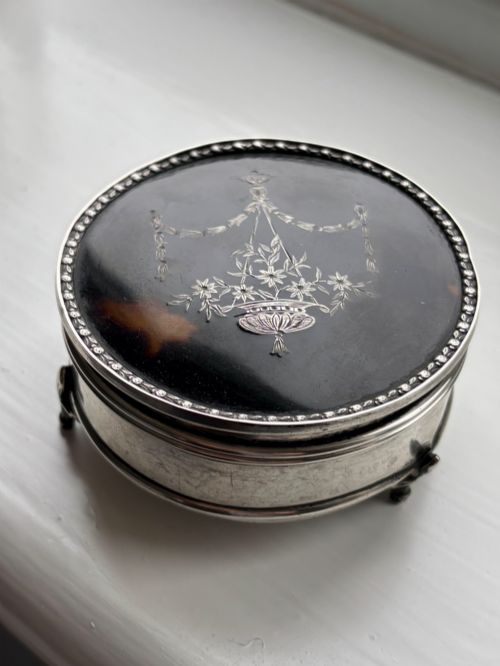
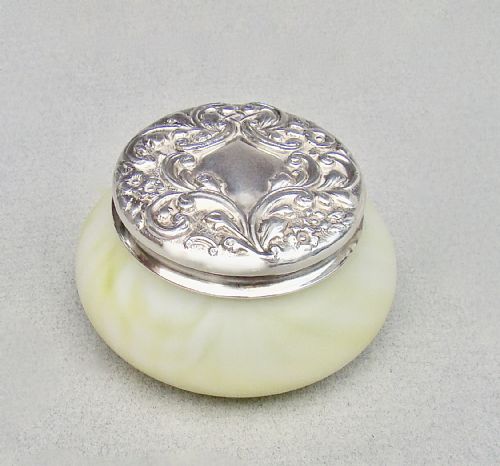
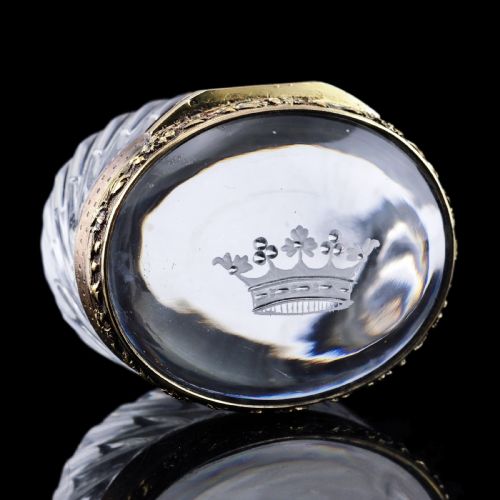
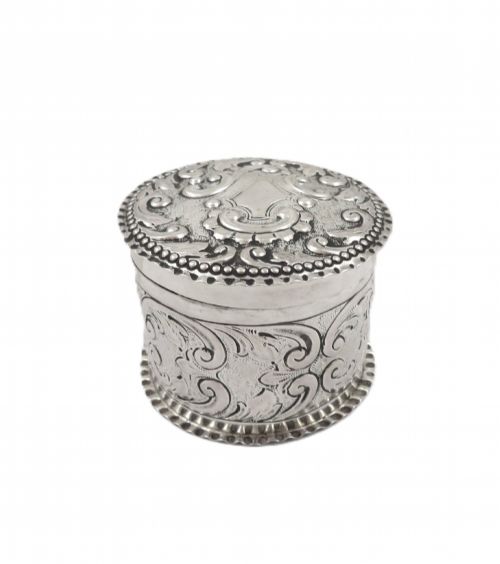
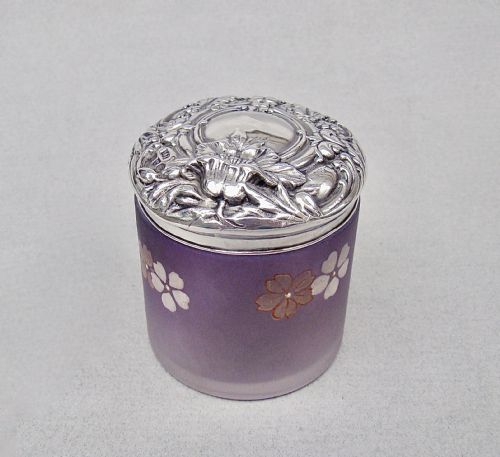
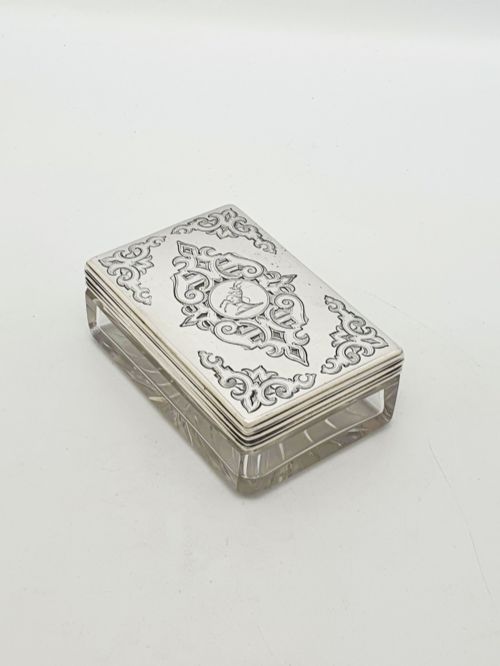
The pieces on this page span the Victorian, Edwardian, and Art Deco periods, alongside Georgian and late nineteenth-century examples. Most items feature a fitted sterling silver lid paired with a glass, crystal, or enamel body, though solid silver boxes also appear frequently.
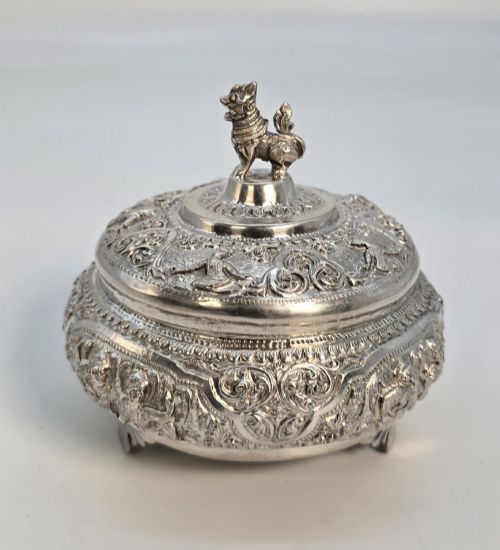
Origins range from English provincial assay offices to continental European makers and colonial workshops. Buyers will find everything from simple cut glass containers to elaborate guilloche enamel pieces.
How they were made
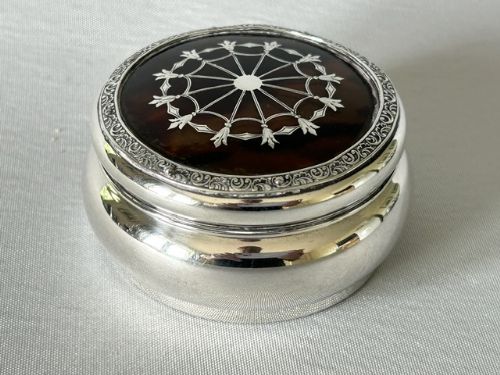
Silversmiths formed the lids using stamping, repousse decoration, and spot-hammering techniques, often incorporating engine-turned guilloche enamel or inlaid tortoiseshell. Bodies consist of heavy cut glass, moulded satin glass, cranberry glass, or solid sterling silver.
Makers united these diverse elements through precise bezel mounts and hinges, frequently adding gilt interiors to the silver components.
Silver Trinket Jar Retail Price Guide 2026
Typical asking prices for silver trinket jar among the pieces listed under this phrase on Sellingantiques today, from the lower quarter to the upper quarter. They describe what is for sale here now, not the wider market.
Listings feature sterling silver, cut glass, enamel, and tortoiseshell across Edwardian, Art Deco, and Victorian periods.
What varies in quality
Quality rests in the weight of the metal, the clarity of the crystal or glass, and the complexity of the decoration. Superior pieces display crisp repousse work, unblemished enamel without chipping, and substantial sterling silver mounts bearing clear hallmarks.
Maker attribution also elevates a piece, as does the integration of unusual materials like pique work, tortoiseshell, or specialised glass types such as Kralik and Clichy.
A. J. Pepper & Co·Henry Clifford Davis·Goldsmiths and Silversmiths Company·A. Bromet & Co·Ollivant & Botsford·Asprey & Co·Thomas Bradbury·Posen of Frankfurt·Nathan & Hayes·William Comyns·Omar Ramsden
The Silver Trinket Jar Glossary
- Guilloche
- A decorative mechanical technique whereby precise, intricate patterns are engraved into metal beneath translucent enamel. This method was widely utilised during the Art Deco era.
- Repousse
- A metalworking method where the silver is hammered into relief from the reverse side. This technique defines many Arts and Crafts and Victorian pieces.
- Pique work
- The delicate inlay of tiny gold or silver pins into tortoiseshell or ivory. It frequently appears on Edwardian dressing table wares.
- Sterling silver
- An alloy consisting of silver and other metals, standardly containing high purity. British items typically display a lion passant hallmark.
- Vermeil
- Sterling silver plated with a thin layer of gold. This finish adds a warm, luxurious tone to the interior or exterior of a lidded jar.
Silver Trinket Jar: Frequently Asked Questions
What is a silver trinket jar used for?
These containers were originally kept on dressing tables to store small valuables, hairpins, and cosmetics.
Today, they serve a similar purpose while acting as decorative objects for display in bedrooms or living spaces.
How do I date an antique silver jar?
Dating relies heavily on the hallmarks stamped onto the silver mounts, which indicate the assay office and year of production.
Stylistic markers, such as geometric Art Deco enamel or flowing Art Nouveau repousse, also point to specific decades.
Are the glass bodies always crystal?
Glass bodies vary widely, ranging from heavy cut crystal and pressed glass to coloured cranberry glass and satin glass.
Some containers feature specialised art glass from continental makers rather than standard domestic glassware.
How should I clean the silver and glass?
Silver mounts require careful polishing with a specialised cloth to avoid damaging adjacent enamel or glass surfaces.
Glass bodies can be washed gently in warm soapy water, ensuring moisture does not compromise historic adhesives or linings.