



Silver Trinket Chest
These silver trinket chests and associated boxes combine precious metal and wood to hold valuables, offering a tangible link to past domestic lives.
Silver Trinket Chest
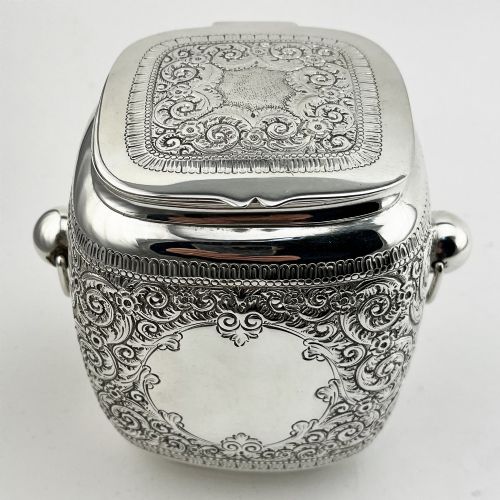
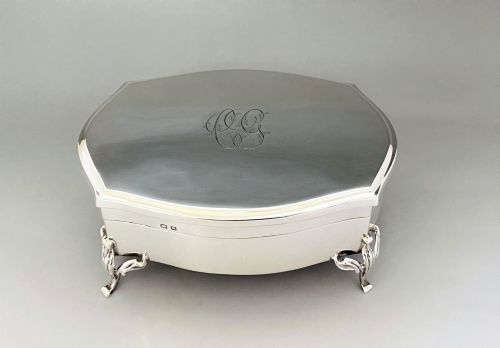
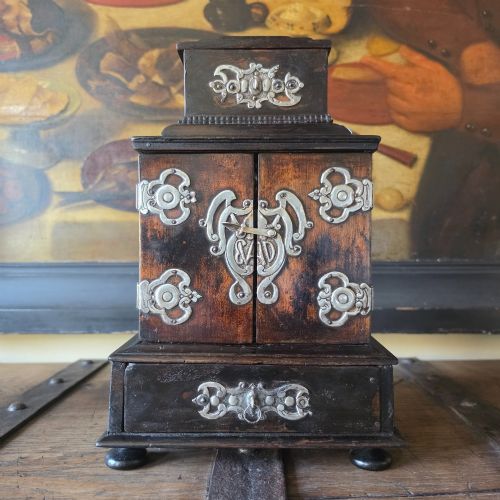
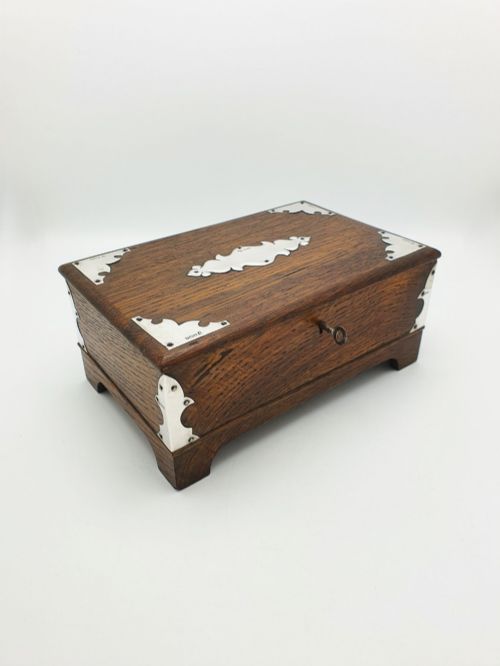
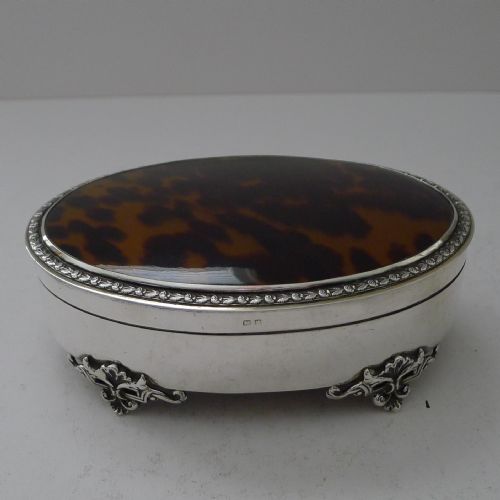
A silver trinket chest encompasses small decorative containers designed for jewellery, tea, cigars, and personal valuables. These pieces range from substantial wooden cabinets mounted in sterling silver to delicate silver boxes lined for keeping rings and small keepsakes.
The selection on this page draws heavily from Victorian and Edwardian periods alongside earlier eighteenth-century examples. You will frequently encounter items such as fitted jewellery boxes, tabletop caskets, and silver-mounted wooden humidors.
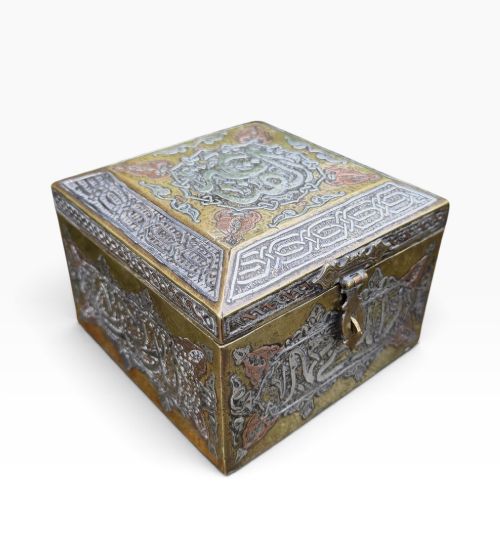
Origins vary widely across these listings, spanning English sterling silver workshops, French ateliers, and continental makers, as well as distinct regional items like Mamluk revival brass caskets and Islamic Southeast Asian betal boxes.
How they were made
Materials combine solid sterling silver and silver plate with organic elements like tortoiseshell, mother-of-pearl, and various woods including oak, walnut, rosewood, and satinwood. Metal mounts, hinges, and locks are integrated directly into the wooden or shell bodies.
Craftsmen applied techniques such as silver inlay on bronze, exterior silvered and gilt finishes, and delicate stringing to timber surfaces. Fitted interiors often involve fabric linings tailored specifically to hold jewellery, tea leaves, or cigars securely.
Silver Trinket Chest Retail Price Guide 2026
Typical asking prices for silver trinket chest among the pieces listed under this phrase on Sellingantiques today, from the lower quarter to the upper quarter. They describe what is for sale here now, not the wider market.
Recorded periods span the eighteenth century, nineteenth century, Victorian, Edwardian, and the nineteen-twenties.
What varies in quality
Quality rests primarily on the substance of the materials and the precision of the construction, distinguishing solid sterling silver and dense hardwoods from plated metals and simpler softwoods. The integration of luxury elements like genuine tortoiseshell or intricate mother-of-pearl inlay elevates certain pieces above standard utility boxes.
The sophistication of the maker's hand also dictates distinction, visible in the crispness of repoussé or chased silver mounts, the complexity of fitted internal compartments, and the survival of original interior linings and working locks.
Martin Hall & Co·AB Paris·B Wicker
The Silver Trinket Chest Glossary
- Sterling silver
- An alloy containing a high proportion of pure silver combined with other metals for durability. This material forms the primary metal mountings and body panels on many Edwardian and Victorian boxes.
- Tortoiseshell
- The shell of certain turtle species historically utilised for decorative veneering on elite boxes. It provides a translucent amber and brown mottled surface often paired with silver pique work.
- Tea caddy
- A container originally built to store dry tea leaves securely away from moisture. Many examples crossover in function to serve as small trinket or storage chests.
- Casket
- A box or chest intended for holding jewellery, letters, or precious items. These pieces frequently feature hinged lids and elaborate metalwork.
- Mamluk revival
- A nineteenth-century artistic style drawing inspiration from the historic metalwork of the Mamluk Sultanate. Pieces in this style typically display intricate geometric brass and inlaid decoration.
Silver Trinket Chest: Frequently Asked Questions
What is a silver trinket chest used for?
These chests serve primarily to store precious personal items such as rings, necklaces, and keepsakes. Historically, similar lidded containers also held dry tea leaves, cigars, or correspondence.
Their decorative nature means they were designed to sit prominently on dressing tables, sideboards, or writing desks rather than remain hidden away.
How do I clean the silver mounts?
Silver mounts require gentle polishing with a soft cloth specifically formulated for precious metals. Care must be taken to avoid applying cleaning creams directly to adjacent materials like wood, tortoiseshell, or fabric linings.
Preventative maintenance involves keeping the pieces in stable humidity away from direct sunlight to protect both the metal and organic components.
How can I tell the period of a box?
Dating relies on observing a combination of construction techniques, material choices, and hallmarking where present on the silver elements. Stylistic indicators like Art Nouveau curves or Edwardian proportions offer further clues to the decade of origin.
Examining the interior linings, hinges, and locks also helps place the object within its manufacturing era.
Are tortoiseshell boxes delicate?
Tortoiseshell requires gentle handling because the organic material can become brittle over long periods. Environmental stability helps prevent warping or cracking of the shell veneer.
Keeping them away from extreme temperature changes ensures the tortoiseshell remains secure against its wooden foundation.