






Silver Topped Pot
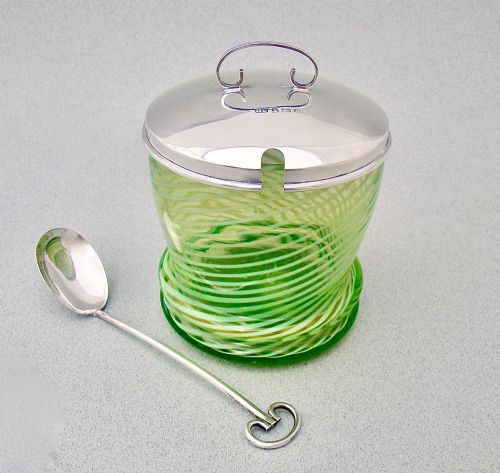
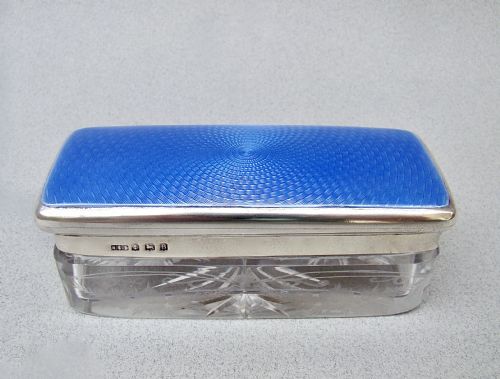
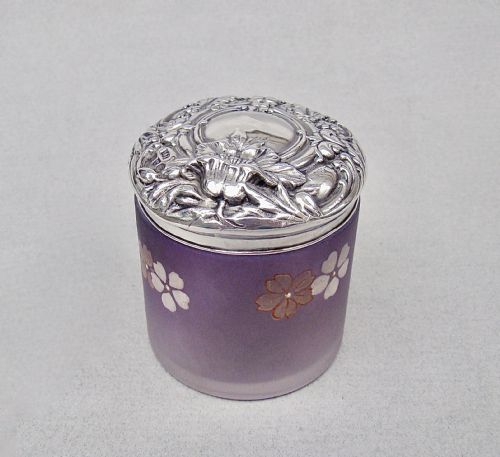
A silver topped pot brings together brilliant cut glass and solid metal mounts for the dressing table or desk.
Silver Topped Pot
When you search for a silver topped pot, you encounter an array of containers intended for the dressing table, desk, and dining table. The selection spans vanity jars, trinket boxes, inkwells, preserve pots, and condiment sets produced across the nineteenth and twentieth centuries.
The pieces on this page originate predominantly from the Edwardian period and the 1920s, alongside Victorian, Georgian, and Art Deco examples. They take forms ranging from heavy cut crystal boxes to delicate coloured glass jars with fitted metal lids.
How they were made
Makers combined blown or cut glass, crystal, and occasionally porcelain or oak with sterling silver and silver plate. Glass vessels received deep geometric facets, hobnail cutting, or smooth coloured finishes, while metal lids were shaped, hallmarked, and sometimes embellished with guilloche enamel or hand-painted plaques.
Workshops utilised specific regional assay offices such as Birmingham, London, Chester, and Sheffield to stamp sterling silver components. Artisans fitted metal mounts directly to glass rims or secured them over cork and ceramic collars to seal the contents.
Silver Topped Pot Retail Price Guide 2026
Typical asking prices for silver topped pot among the pieces listed under this phrase on Sellingantiques today, from the lower quarter to the upper quarter. They describe what is for sale here now, not the wider market.
The listings span the Victorian, Edwardian, and Art Deco periods, utilising sterling silver, cut crystal, vaseline glass, and guilloche enamel.
What varies in quality
The distinction between standard containers and finer items rests on the depth of the glass cutting and the weight of the silver mount. Heavy cast silver lids with crisp hallmarks and thick crystal bodies carrying intricate facet work represent the upper tier of production.
Enamelled details and applied tortoiseshell or porcelain plaques elevate specific items above plain metal lids. The integration between glass and metal, alongside the presence of recognised makers or specialist designs like pagodas, defines the character of the piece.
George Unite·Henry Clifford Davis·Jonathan Douglas·Asprey·Elkington and Company
The Silver Topped Pot Glossary
- Guilloche enamel
- Decorative metalwork covered with translucent coloured enamel over an engine-turned geometric pattern. This technique appears frequently on 1920s vanity jar lids.
- Cut crystal
- Glass with a high lead content shaped by grinding and polishing to refract light. It forms the heavy bodies of many dressing table jars and inkwells.
- Hallmark
- A series of official marks stamped on precious metals indicating the standard of purity, the assay office, and the date letter. English silver pieces carry these to verify their origin.
- Vanity jar
- A small container with a fitted lid used for cosmetics, pins, or dressing accessories. They sit on dressing tables in matched sets or as individual pieces.
Silver Topped Pot: Frequently Asked Questions
What were silver topped pots used for?
These containers served multiple domestic purposes in Victorian and Edwardian households. They held cosmetics, pins, and trinkets on dressing tables, or served as inkwells and glue pots on office desks.
Dining rooms also utilised silver topped vessels for mustard, preserves, and condiments. The metal lid protected the contents while adding a decorative element to the table or dressing room.
How do I date a silver topped pot?
The most reliable method for dating these items is reading the hallmarks stamped on the silver lid or mount. These marks indicate the assay office, metal standard, and specific year letter.
Stylistic indicators also help determine age, such as the geometric lines of Art Deco pieces from the 1920s compared to the ornate floral motifs of Edwardian or Art Nouveau examples.
Are the glass and silver original to each other?
In most cases, the glass body and silver lid were produced together as a unified piece by the silversmith or glasshouse. The metal mount was custom-fitted to the specific rim of the glass vessel during manufacture.
Matching hallmarks between components or a precise, snug fit without excessive adhesive indicates original assembly. Lids that sit flush against the glass rim confirm the integrity of the piece.
How should I clean the silver and glass?
Silver components benefit from gentle cleaning with a specialised soft polishing cloth to remove tarnish without disturbing hallmarks or enamel work. Avoid liquid dips when enamel or tortoiseshell mounts are present.
Glass bodies can be washed in warm soapy water using a soft brush to clear dust from deep facet cuts. Thorough drying prevents moisture from trapped residues reaching the interior of the metal mounts.