


Silver Topped Gold Jewellery
Silver topped gold jewellery combines a bright silver face with warm gold mounts, offering the dual appeal of brilliant stone settings and durable structure.
Silver Topped Gold Jewellery
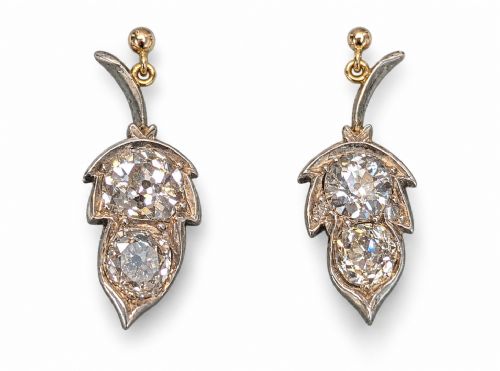
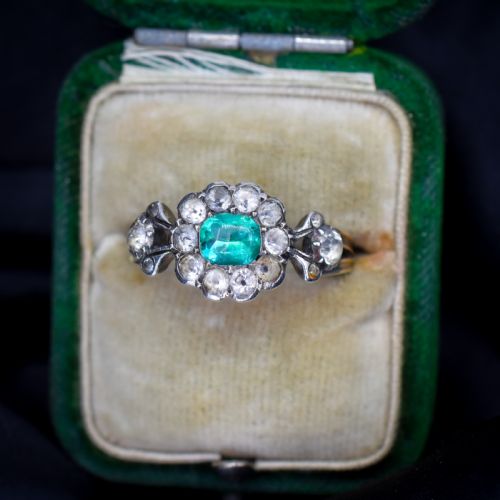
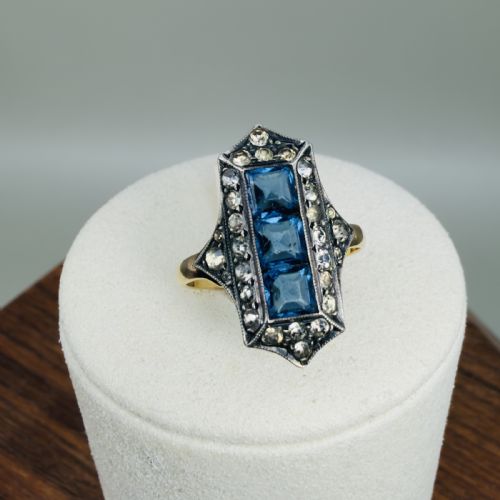
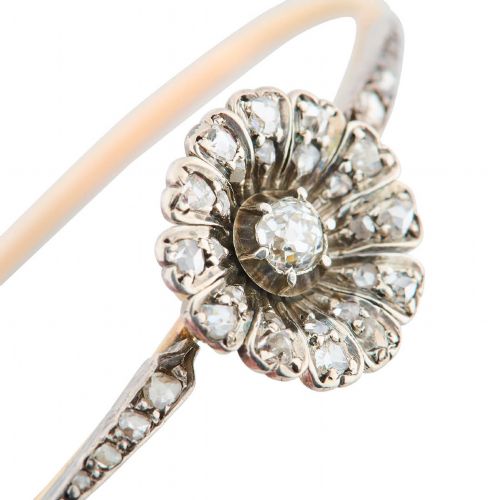
Silver topped gold jewellery brings together two precious metals, pairing a white silver upper layer with a yellow gold base. Pieces span several eras, appearing most frequently in Georgian, Victorian, and Edwardian designs.
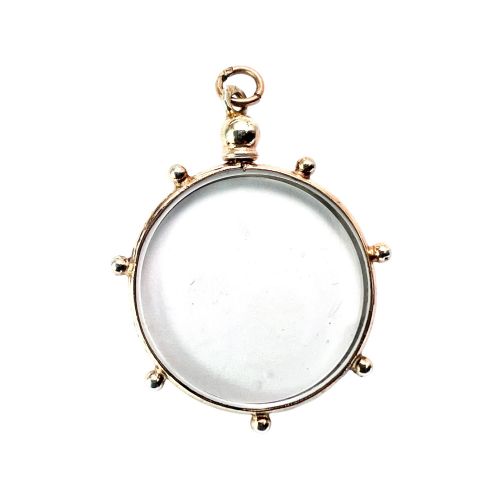
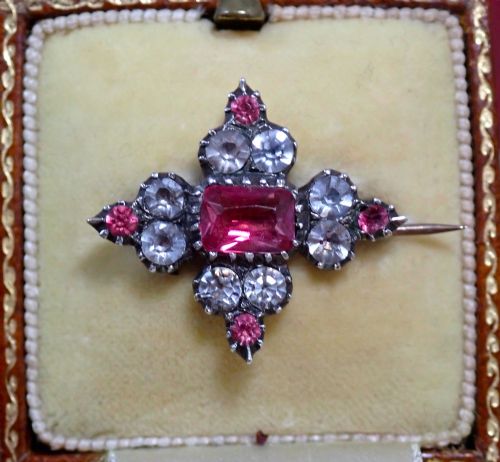
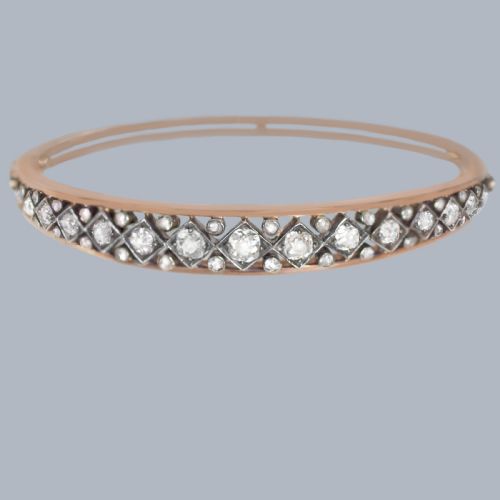
The selection includes rings, drop earrings, bangles, and star brooches. Stones such as diamonds, paste, rubies, and opals feature heavily across these forms.
Victorian and Georgian examples dominate the offerings. Makers mounted sparkling stones in silver to enhance their brilliance while utilising gold for strength underneath.
Materials and Construction
Artisans combined silver and gold by soldering or fusing a silver sheet onto a gold backing. This dual-metal technique placed the whiter metal against the stones while keeping the warmer gold visible from the reverse.
Diamonds, paste stones, and coloured gems were set into the silver layer using hand-cut collets. Gold formed the structural bands, pin stems, and chains, often graded at nine, fifteen, or eighteen carats.
Listings feature items from the Georgian, Victorian, and Edwardian periods, utilising silver, gold, diamonds, paste, and opals.
Evaluating Quality
Quality rests in the precision of the metal work and the matching of the stones. Finer examples display seamless joining between the silver top and the gold base without visible solder lines.
Stone selection dictates the upper tier of pieces, where old-cut diamonds or natural unheated gems are secured with delicate, even claw or collet settings. Proportion and balance in complex motifs like stars or bows also separate standard work from superior pieces.
The Silver Topped Gold Jewellery Glossary
- Old-cut diamond
- A hand-faceted diamond shape from the eighteenth or nineteenth century featuring a small table and high crown. These stones display softer reflections under candlelight compared to modern brilliant cuts.
- Paste
- Hand-cut lead glass used as a gemstone substitute in historic jewellery. Skilled artisans set coloured or clear paste into silver to mimic precious gems.
- Collet
- A band of metal that holds a gemstone in place by folding over the girdle. This setting style is typical in Georgian and Victorian silver topped gold work.
- Navette
- A boat-shaped gemstone setting or ring face that tapers to points at both ends. The elongated shape sits flat along the finger.
- Bar brooch
- A slender horizontal metal pin decorated with stones or central motifs. They were widely worn during the Victorian and Edwardian periods.
Silver Topped Gold Jewellery: Frequently Asked Questions
What is silver topped gold jewellery?
Silver topped gold jewellery is a style where a piece has a gold base with a silver layer on the front. This method kept the metal touching the stones bright white while using gold for strength.
Craftsmen used this technique extensively during the Georgian and Victorian eras. The silver face reflects light through diamonds and paste stones more effectively than yellow gold would.
How do I care for silver topped gold items?
These pieces require gentle handling due to their age and construction. Avoid submerging them in liquid cleaners, as moisture can seep between the silver top and gold backing.
Use a soft, dry cloth to remove dust from the stones and metal surface. Store each item separately in a lined box to prevent scratches on the softer gold and silver.
Why did makers use two metals?
Silver offers a bright white surface that complements diamonds and hides the yellow tint of older stones. Gold provides the structural durability needed for pins, shanks, and chains.
Combining the two metals allowed makers to achieve the visual effect of white metal jewellery long before platinum became popular.
How can I tell the period of a piece?
Dating relies on the stone cuts, overall design style, and construction methods. Georgian pieces often feature closed-back settings and rose-cut diamonds, while Victorian items introduce star motifs and varied gold carats.
Examining the pin mechanisms and findings also helps determine age. Hand-forged components generally point to earlier nineteenth-century production.