




Silver Top Salt
These silver top salt and related vessels bring together bright metal and coloured glass across the Victorian and Edwardian periods.
Silver Top Salt
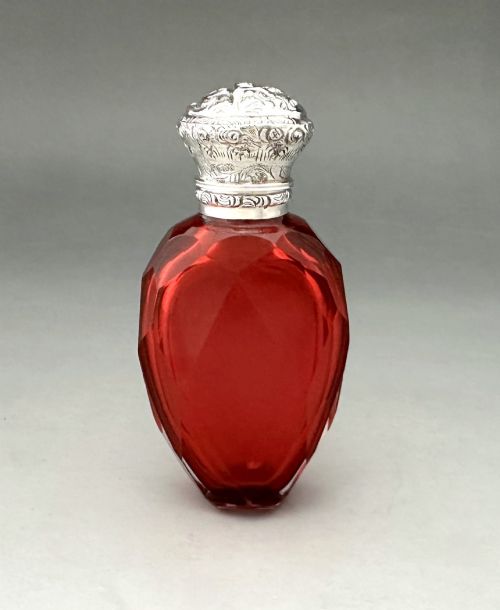
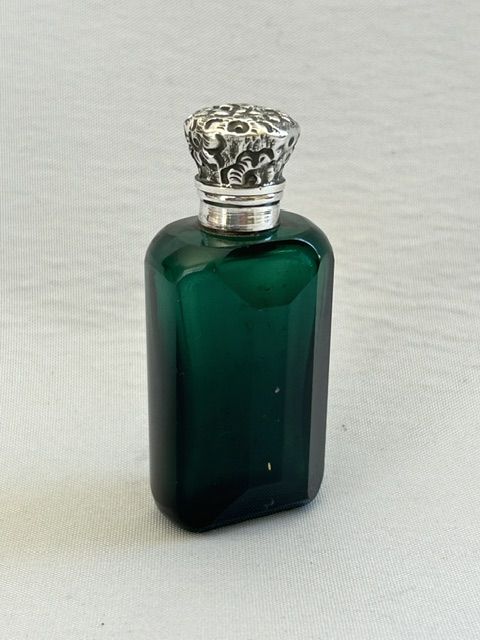
When you search for silver top salt, you encounter salt cellars, condiment sets, and small glass bottles fitted with metal mounts. The Victorian examples dominate, often combining sterling silver lids with cut, ruby, green, or opaline glass bodies.
Beyond table salts and pepper casters, the selection includes scent bottles, vinaigrettes, and miniature liquor flasks. These pocket or dressing table accessories share the characteristic metal cap or collar seen across the nineteenth and early twentieth centuries.
Georgian pairs such as the Bateman cauldron salt cellars represent the earlier formal dining wares. Edwardian and later pieces maintain the tradition of glass bodies capped with hallmarked silver.
Materials and Construction
The makers combined sterling silver or silver plate with blown and cut glass. Vessels feature ruby, cranberry, Bristol green, and opaline glass, often shaped by hand before receiving their metal mounts.
Silver components include cast and chased elements, hinged lids, and screw caps fitted securely to the glass necks. Hallmarks on the metal provide towns, makers' marks, and date letters for dating the pieces.
Silver Top Salt Retail Price Guide 2026
Typical asking prices for silver top salt among the pieces listed under this phrase on Sellingantiques today, from the lower quarter to the upper quarter. They describe what is for sale here now, not the wider market.
College views engraved inside tiny vinaigrette lids offer miniature architecture to carry in your waistcoat pocket.
Assessing the Pieces
Quality rests in the crispness of the silver chasing and the depth of colour in the glass body. Heavy gauge silver mounts and clear, legible hallmarks separate finer items from standard production.
The integration between glass and metal indicates the maker's skill. Snug fits, undamaged hinged mechanisms, and well-cut glass facets define the upper end of the range.
Bateman
The Silver Top Salt Glossary
- Sterling silver
- A standard of silver alloy containing 92.5 percent pure silver by mass. This material forms the primary metal for the mounts and lids on better pieces.
- Vinaigrette
- A small ornamental box with an internal pierced grille used for holding a sponge soaked in aromatic vinegar. These date mainly to the nineteenth century.
- Opaline glass
- An opaque or translucent pale glass popular in the Victorian era. It provides a smooth, milky ground for silver mounts.
- Cast salt cellar
- A small open vessel for salt, formed by pouring molten metal into a mould. Georgian examples often stand on three small feet.
- Condiment set
- A matched group of vessels for holding table seasonings such as salt, pepper, and mustard. They frequently share silver mounts and fitted stands.
Silver Top Salt: Frequently Asked Questions
What is a silver top salt?
A silver top salt is a dining table container for salt featuring a metal lid or mount. These pieces date across the Georgian, Victorian, and Edwardian eras.
They appear in various forms, including open salt cellars, covered pots, and shaker casters used alongside pepper and mustard.
How were glass scent bottles made?
Glass scent bottles were blown into moulds or shaped by hand, then fitted with hinged or screw-top silver mounts. Makers used ruby, green, cranberry, and opaline glass.
The metal collar attached securely to the glass neck, protecting the rim and holding a stopper inside.
How do I date silver mounts?
Silver mounts carry hallmarks stamped by assay offices, indicating the city, metal standard, and year of manufacture. Date letters change yearly and provide precise periods.
Style also helps with dating, as Victorian pieces often feature heavy floral chasing while Edwardian items lean towards simpler forms.
How should I clean silver and glass?
Clean the silver mounts using a soft cloth and appropriate polish, taking care to avoid staining the glass body. Gentle washing with warm soapy water removes dust from glass crevices.
Keep moisture away from any interior paper liners or vintage cork stoppers inside the caps.