


Silver Tea Caddy Container
These silver tea caddy containers range from Georgian masterworks to Edwardian novelties, offering a secure and decorative vessel for dry leaf.
Silver Tea Caddy Container
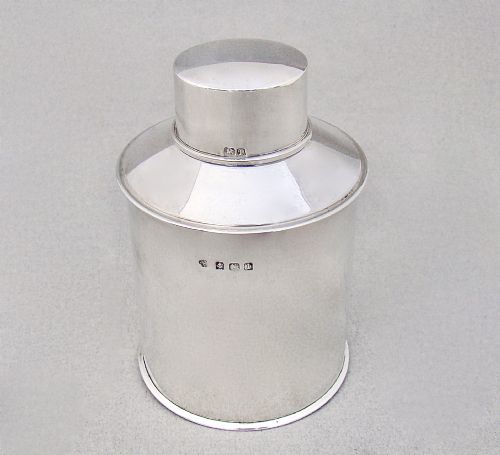
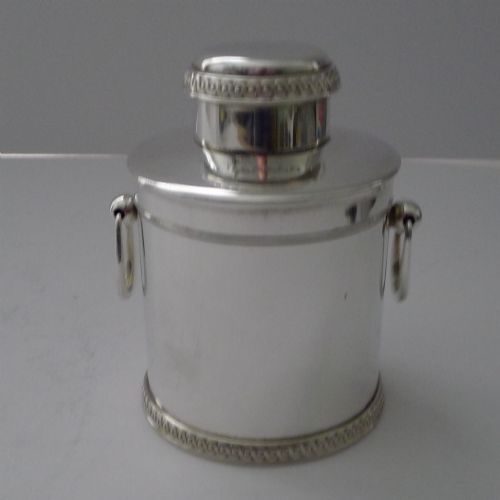
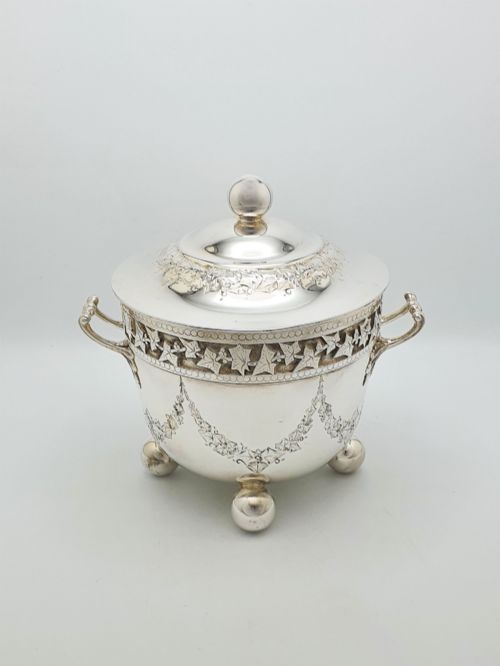
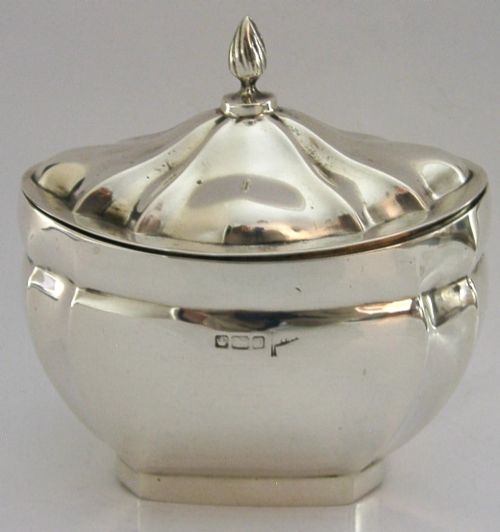
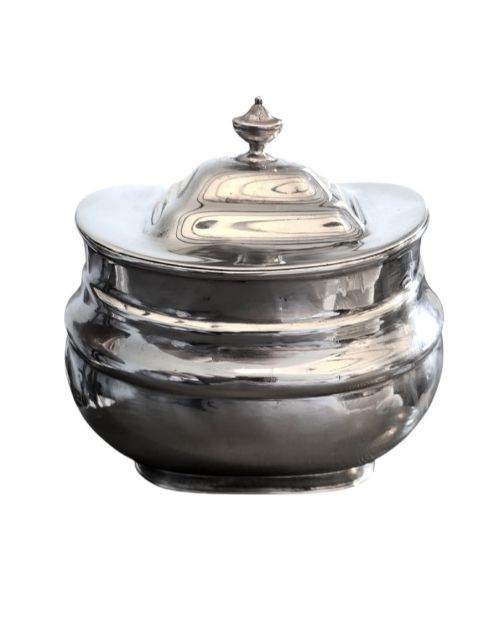
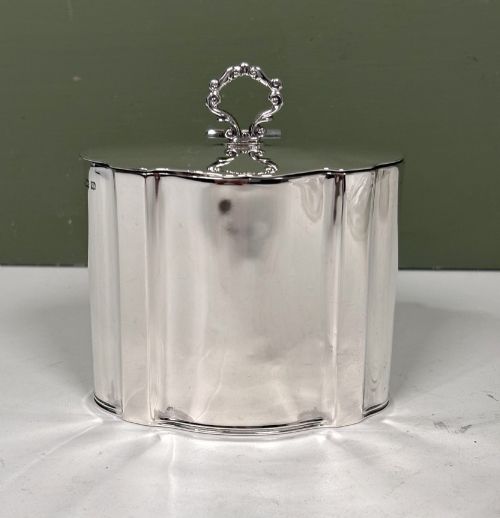
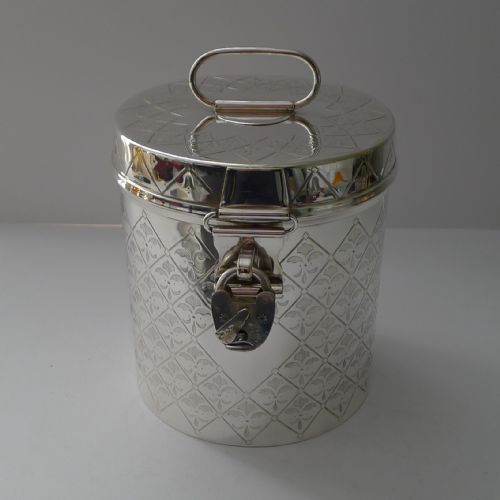
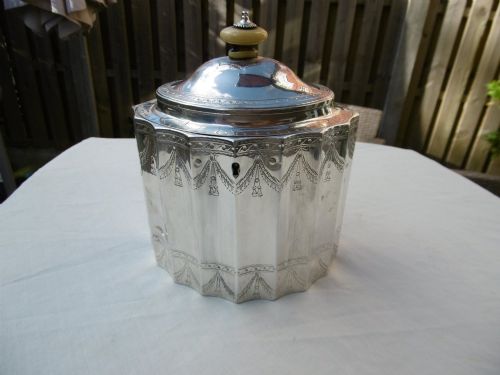
A silver tea caddy container represents a specialised storage vessel once essential for safeguarding expensive dry tea leaves under lock and key. The selections span from eighteenth-century George III pedestal forms to late Victorian bombe shapes and Edwardian canisters.
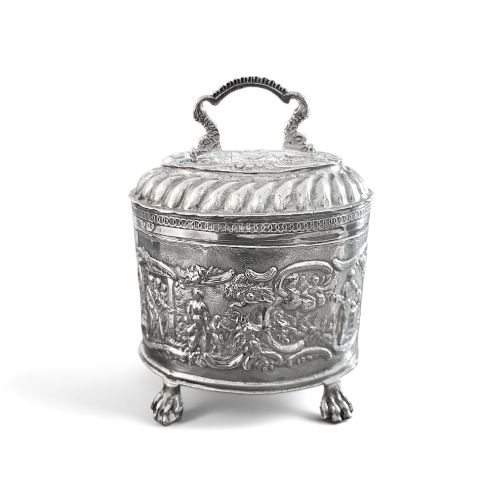
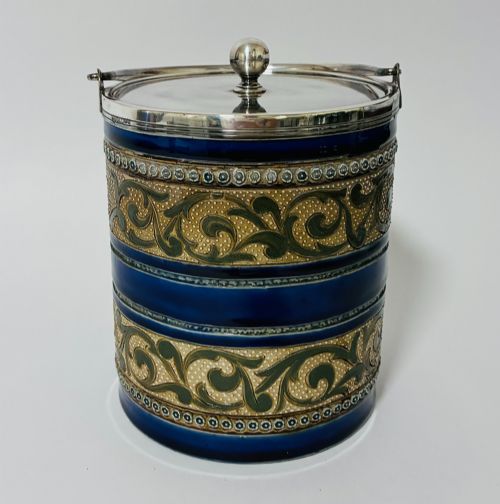
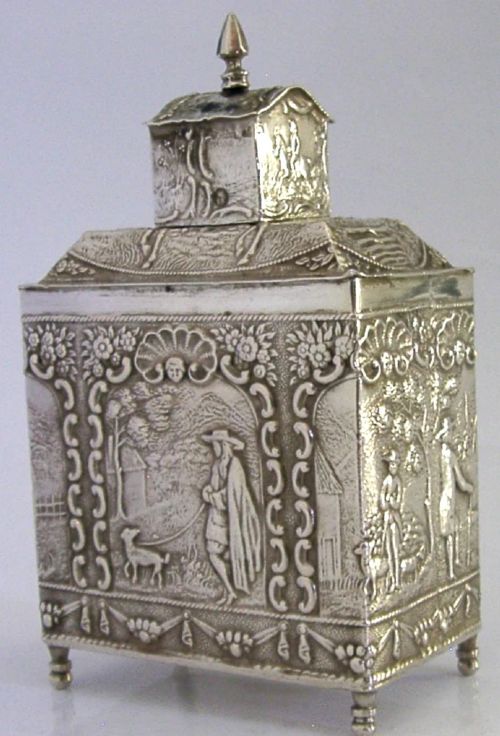
Buyers will encounter various incarnations across the inventory, including standard tea caddies, larger biscuit barrels in cut glass or stoneware, and novelty boxes designed to mimic everyday objects. These pieces originate predominantly from British assay offices alongside notable international examples from Dutch and Ottoman makers.
Materials and construction
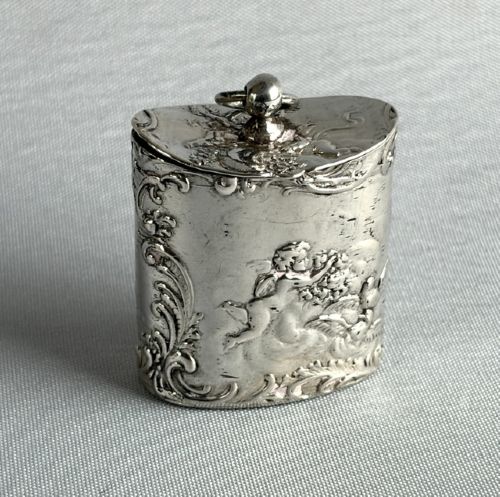
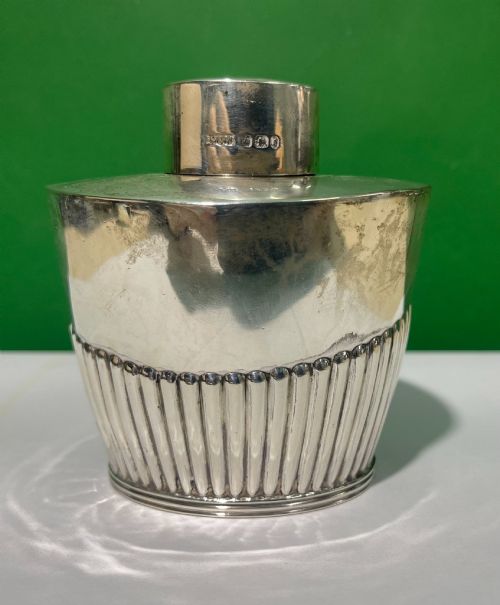
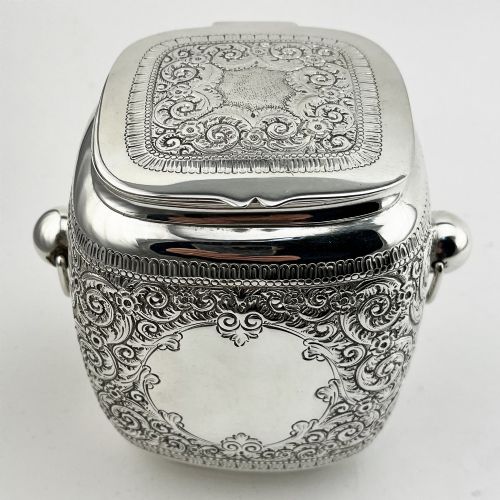
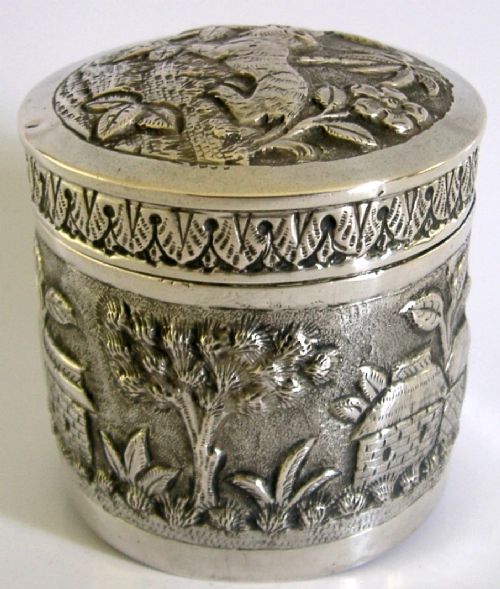
Silversmiths utilised solid sterling silver and silver plate, frequently pairing metal bodies with cut crystal, cut glass, or Doulton Lambeth stoneware. Construction techniques involved skilled hammer work, piercing, fluting, and repoussé decoration to achieve rigid yet ornate storage boxes.
Many examples incorporate fitted lids, pull-off covers, or locking mechanisms requiring key operation. Additional contrast appears through internal wooden linings and ceramic body insertions found within specific biscuit boxes and caddy containers.
Silver Tea Caddy Container Retail Price Guide 2026
Typical asking prices for silver tea caddy container among the pieces listed under this phrase on Sellingantiques today, from the lower quarter to the upper quarter. They describe what is for sale here now, not the wider market.
Some Edwardian makers disguised dry tea leaves inside cunningly detailed metal paint tins that fooled visitors.
Assessing the craftsmanship
Quality differentiates itself through the weight of the silver gauge, the crispness of chased or fluted detailing, and the structural integrity of hinges and locks. Heavier pieces demonstrate a more substantial investment of metal and superior silversmithing labour.
The precision of the hallmarks and the reputation of the maker's mark add considerable distinction to a piece. Furthermore, the clarity of cut crystal and the preservation of original interior elements elevate standard utility boxes to notable collector items.
Robert Hennell·Mappin and Webb·William Hutton and Sons·Atkin Brothers·Asprey and Co·Goldsmiths and Silversmiths Co
The Silver Tea Caddy Container Glossary
- Hallmark
- An official stamp applied by an assay office to indicate the purity of the metal, the place of manufacture, and the date letter.
- Bombe
- A swollen or bulging convex contour characteristic of late Victorian and continental silverware designs.
- Repoussé
- A decorative metalworking technique where the smith hammers the design from the reverse side to create a raised relief on the front.
- Biscuit barrel
- A covered ceramic, glass, or silver vessel utilised for storing dry biscuits at the dining table during the Victorian period.
- Assay
- The testing of precious metals for purity, resulting in government-regulated marks that verify the silver standard.
Silver Tea Caddy Container: Frequently Asked Questions
What is a silver tea caddy container used for?
These vessels originally served to store loose tea leaves securely away from moisture and light in the formal households of the eighteenth and nineteenth centuries.
Today, they function equally well as decorative mantelpiece items, small desk storage boxes, or practical containers for modern specialty leaves.
How do I identify the date of a silver caddy?
Dating relies heavily on the stamped hallmarks found on the body or lid, which include specific date letters corresponding to the operating year of the assay office.
Stylistic indicators such as Georgian fluting, Victorian bombe shaping, or Edwardian novelty forms also provide a reliable chronological guide.
Are all caddies made of solid silver?
While the majority of listings feature solid sterling silver, the selection also includes silver plate over a base metal foundation.
Other variations incorporate non-metal materials like cut glass, crystal, or stoneware bodies fitted with silver rims, collars, and lids.
How should I clean my silver tea caddy?
Maintenance requires gentle cleaning with a specialised silver cloth or a mild, non-abrasive silver polish to remove natural tarnishing without wearing away the underlying detail.
Harsh chemical dips should be avoided, particularly on pieces with fitted wooden interiors, ceramic inserts, or delicate engraved decoration.