
Silver Table Napkin Rings
Silver table napkin rings bring formal dining history to the home through lasting sterling silver and silver plate forms.
Silver Table Napkin Rings
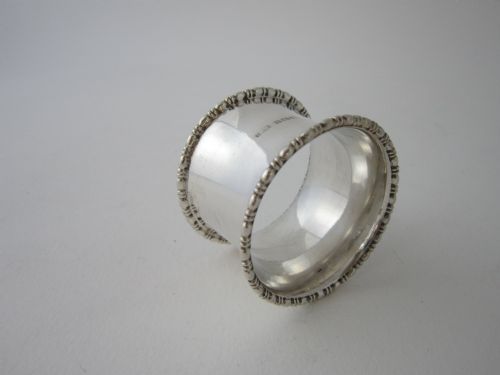
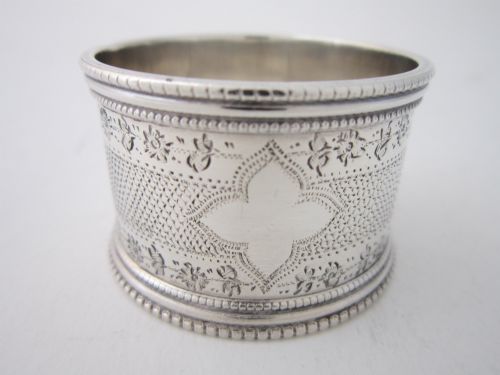
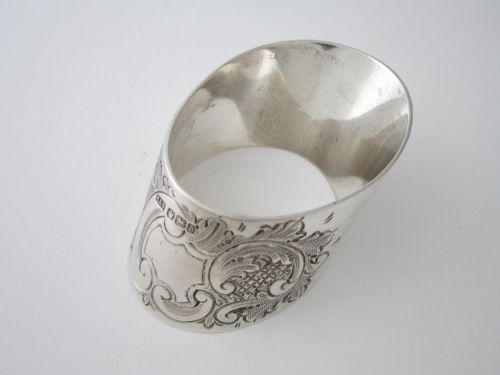
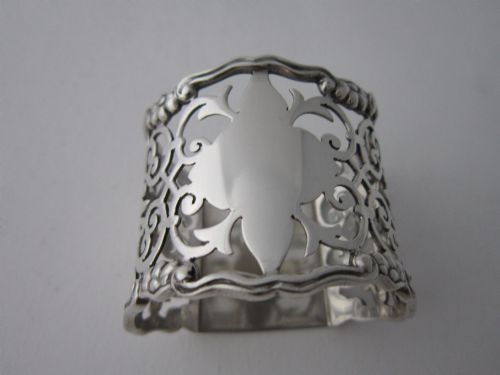
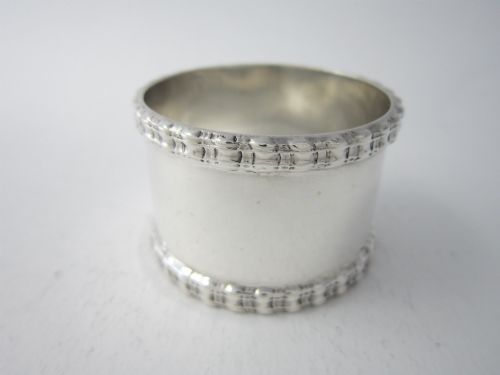
Silver table napkin rings comprise small personal table accessories designed to mark individual dining places, appearing frequently in matched sets or as single items. The selection centres on solid sterling silver and silver plate constructions originating from Victorian, Edwardian, and George V periods.
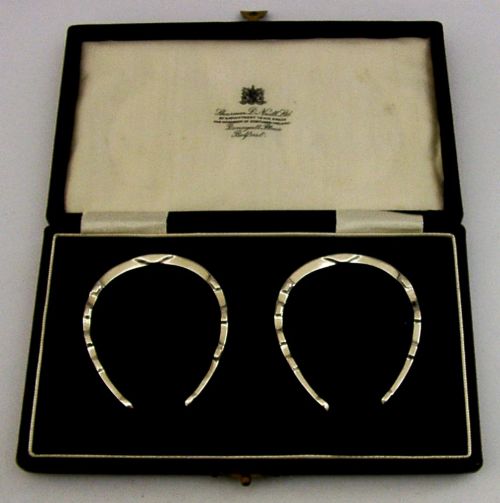
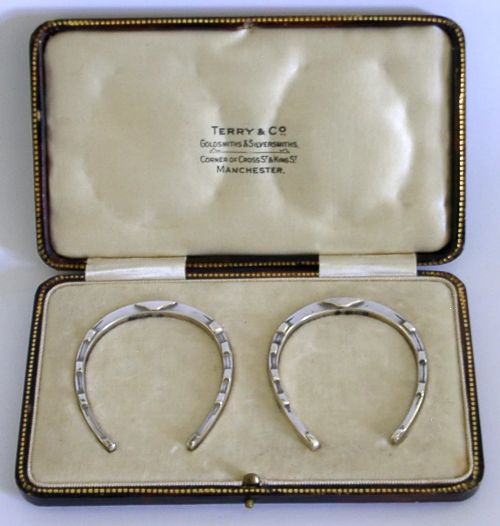
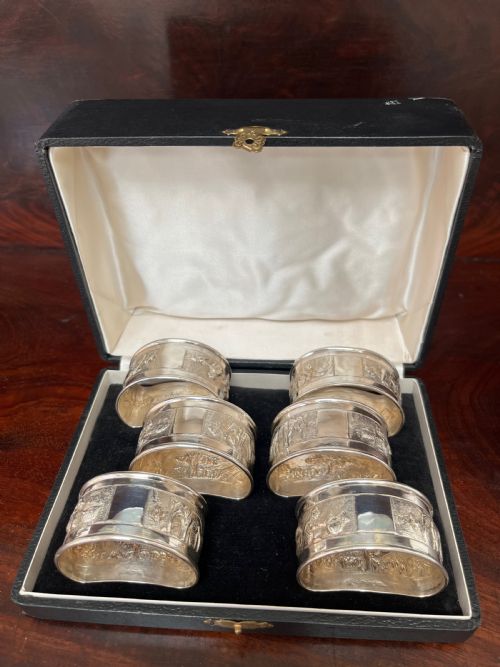
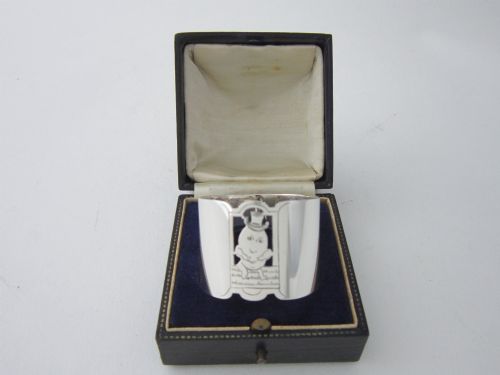
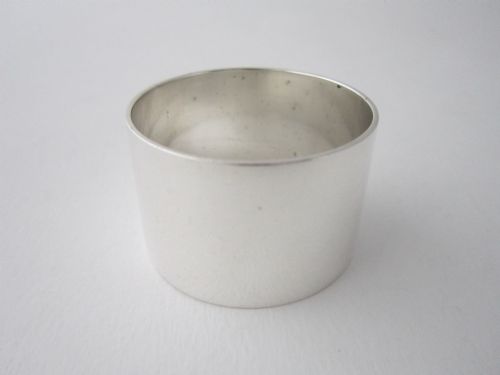
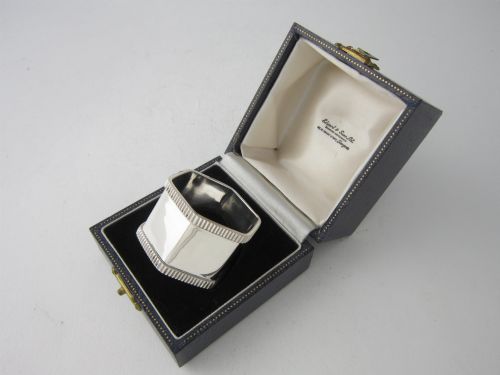
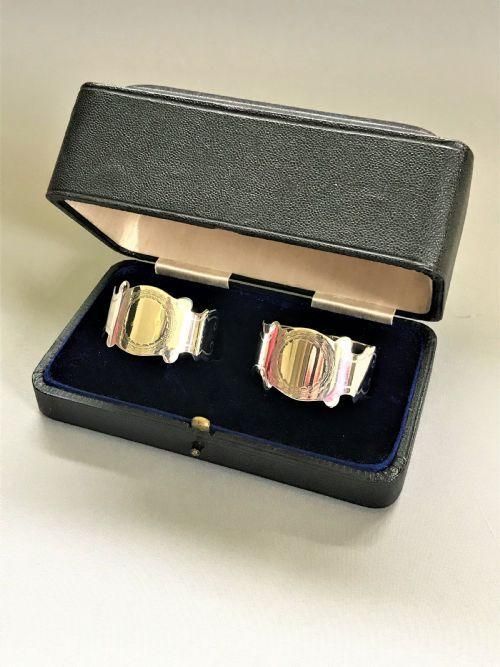
Collectors encounter single pieces alongside cased pairs and complete sets of six, often housed in original velvet or silk lined presentation boxes. Forms range from plain circular bands to novelty motifs such as horseshoes, stirrups, and belts.
Materials and construction
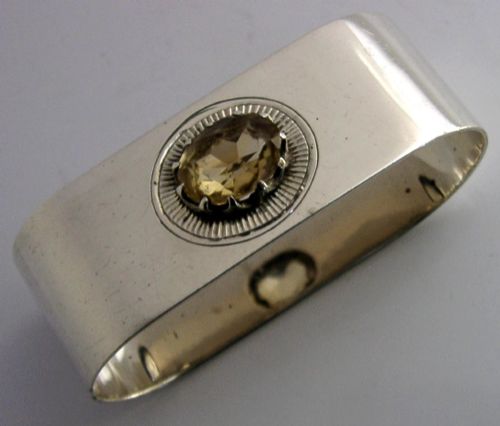
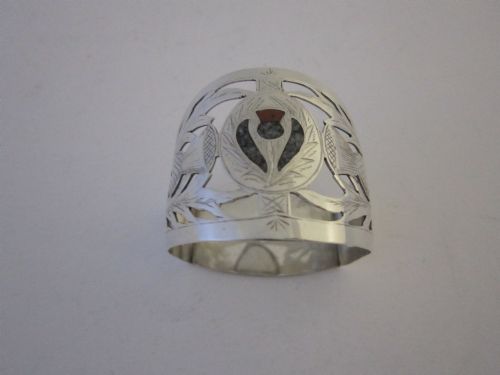
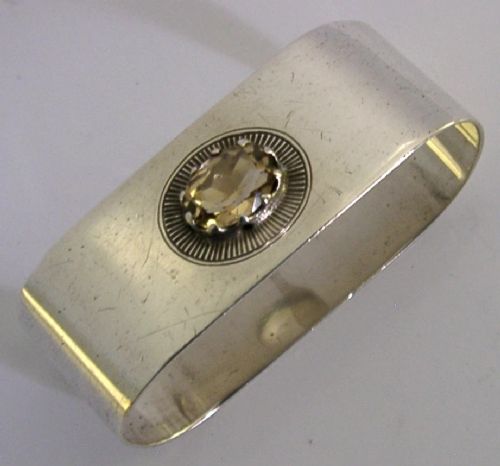
Makers utilised sterling silver and silver plate as the primary metals, sometimes combining them with auxiliary materials including citrine, agate, enamel, and pewter. Presentation boxes typically incorporated wooden frames covered in leatherette, leather, silk, or velvet.
Production techniques involved shaping sheet metal into circular or novelty bands, applying hallmarks, and occasionally incorporating decorative elements like figural mounts or hand-set gemstones.
Materials paired with the metal include natural gemstones like citrine and agate, alongside decorative enamel work.
Determinants of quality
Quality rests upon the weight of the metal and the precision of the hallmark stamping, distinguishing substantial pieces from lighter alternatives. The presence of original fitted cases lined with silk or velvet alters the desirability of the set.
Artistic execution in novelty forms, such as realistic stirrup or horseshoe detailing, separates standard production items from finer workshop examples by makers like Georg Jensen or Liberty & Co.
R. E. Stone·Georg Jensen·Hermes Paris·Liberty & Co·Mappin & Webb·Cartier
The Silver Table Napkin Rings Glossary
- Sterling silver
- An alloy containing 92.5 percent silver by mass, widely utilised for durable tableware.
- Silver plate
- A base metal core covered with a thin layer of silver, offering an alternative to solid silver items.
- Hallmark
- An official stamp applied to precious metals indicating purity, maker, and assay office.
- Novelty ring
- A napkin ring fashioned into a pictorial shape such as a horseshoe, stirrup, or belt rather than a simple band.
- Cased set
- A collection of napkin rings housed in a fitted presentation box lined with silk or velvet.
Silver Table Napkin Rings: Frequently Asked Questions
How are silver napkin rings dated?
Assay office hallmarks stamped directly onto the metal provide specific letter codes corresponding to the year of manufacture. Additional stylistic indicators from Victorian, Edwardian, and Art Deco periods further clarify the age of the piece.
Matching the hallmark stamps against established records reveals the exact assay town and year.
Were these rings used daily?
Households utilised individual napkin rings at formal dining tables to identify each family member's linen napkin between meals. Numbered sets ensured guests retained their specific place settings across multiple days.
Original presentation boxes suggest many sets were kept specifically for special occasions or given as wedding gifts.
What does cased mean?
A cased set includes the original fitted presentation box designed specifically to hold the napkin rings securely. These boxes frequently feature protective interiors made of silk or velvet.
Finding items preserved in their original containers adds historical context to the collection.
How do novelty rings differ?
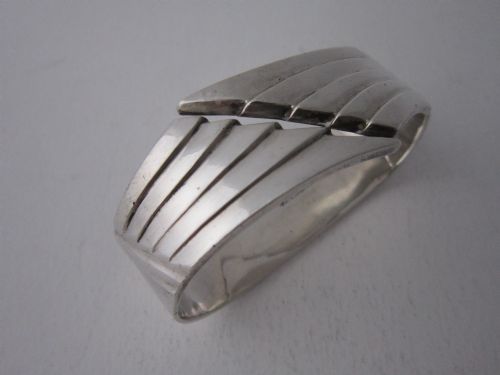
Novelty examples break away from simple circular bands to adopt sculptural forms like horseshoes, stirrups, or belts. These decorative designs reflect the sporting and fashion interests of periods such as the Edwardian era and the 1930s.
Craftsmen modelled these pieces with specific thematic details while retaining the functional ring shape.