




Silver Swivel Fob
A silver swivel fob suspends from a pocket watch chain, offering a clever rotating bezel to display dual faces.
Silver Swivel Fob
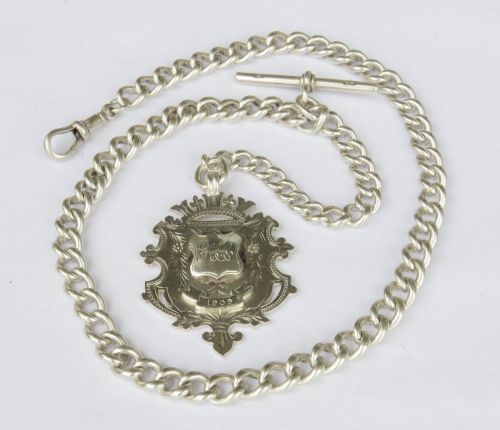
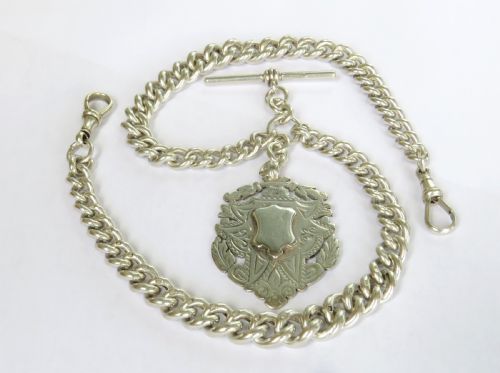
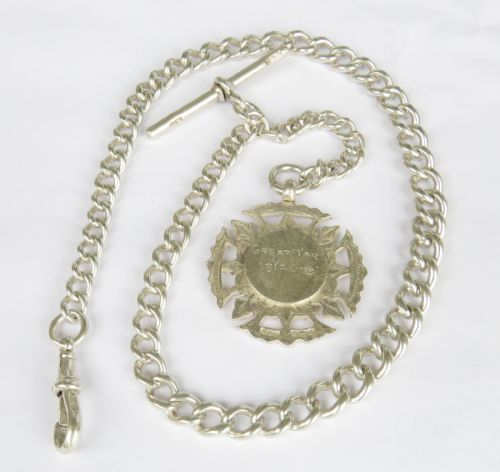
A silver swivel fob forms part of traditional pocket watch chains, designed to hang from an albert chain alongside a T-bar and pocket watch. These pieces allow the wearer to turn the centre element within its frame, presenting two distinct sides or panels.
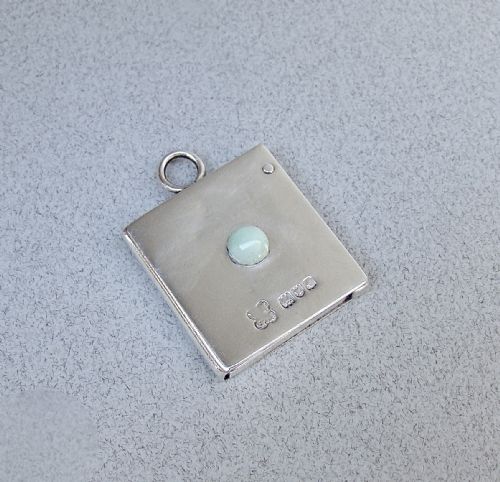
Buyers seeking a silver swivel fob encounter items spanning the Victorian, Edwardian, and Art Deco periods. Many examples appear mounted with stone, gemstone, or enamel panels, whilst others incorporate rose gold detail or function as stamp cases.
The most common versions on this page link directly to pocket watch chains and watch chains and fobs. They originate from makers working in the late nineteenth and early twentieth centuries, particularly around nineteen hundred and nineteen ten.
How they were made
Silversmiths utilised sterling silver alongside base silver to construct the robust frames and articulating loops of each swivel fob. These components house rotating elements designed for daily wear on heavy watch chains.
Makers set various materials into the revolving bezels, including bloodstone and other gemstones. Selected pieces incorporate rose gold detail or coloured enamel to contrast against the polished silver body.
Silver Swivel Fob Retail Price Guide 2026
Typical asking prices for silver swivel fob among the pieces listed under this phrase on Sellingantiques today, from the lower quarter to the upper quarter. They describe what is for sale here now, not the wider market.
Some fobs double as secret stamp cases, proving the Victorians took postage logistics very seriously.
What varies in quality
The sophistication of the mechanical swivel mechanism distinguishes finer examples from simpler counterparts, requiring smooth rotation and a secure central pivot within the outer ring. Superior pieces maintain tight tolerances so the bezel remains properly aligned without wobbling.
Quality also rests in the execution of the set materials, such as cleanly polished stones or undamaged enamel panels. Better specimens display crisp hallmarks and refined metalwork, including detailed rose gold highlights or specialised forms like stamp cases.
W & G Neal
The Silver Swivel Fob Glossary
- Swivel fob
- A pendant attached to a watch chain featuring a rotating central component. This design allows two distinct faces to be displayed by turning the piece within its outer frame.
- Albert chain
- A type of pocket watch chain named after Prince Albert. It secures across a waistcoat or hangs from a garment, often supporting a T-bar and multiple fobs.
- T-bar
- A horizontal bar attached to the centre of a watch chain. It slips through a buttonhole to anchor the chain securely.
- Bloodstone
- A dark green chalcedony flecked with red jasper spots. This gemstone appears frequently as the panel material within antique swivel fobs.
Silver Swivel Fob: Frequently Asked Questions
What is a silver swivel fob used for?
These items served primarily as decorative pendants suspended from pocket watch chains during the Victorian and Edwardian eras. The rotating mount allowed gentlemen to display two different monograms, crests, or gemstone faces.
Over time, they became miniature canvases for personal expression, occasionally doubling as functional items such as stamp cases or seals.
How do you wear a silver swivel fob today?
Modern collectors typically wear them suspended from a suitable chain around the neck or attached to a traditional waistcoat chain. They pair well with antique silver albert chains or contemporary silver neckchains.
The rotating mechanism makes them tactile items to handle, functioning well as standalone pendants.
How do you date a silver swivel fob?
Dating relies heavily on official hallmarks stamped into the silver, which indicate assay offices and specific years of production. Stylistic clues such as Edwardian proportions or Victorian stone choices also help narrow down the period.
Makers' marks provide further confirmation when recorded in historical registry documents.
What materials are found in these fobs?
Sterling silver forms the structural framework of the majority of these pieces, often paired with rose gold detail for contrast. The rotating panels frequently utilise bloodstone or other gemstones.
Selected examples incorporate enamel work or specialised configurations like hinged stamp cases.