
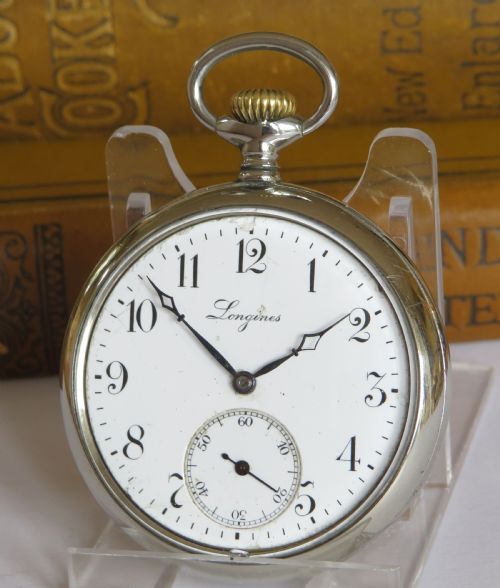
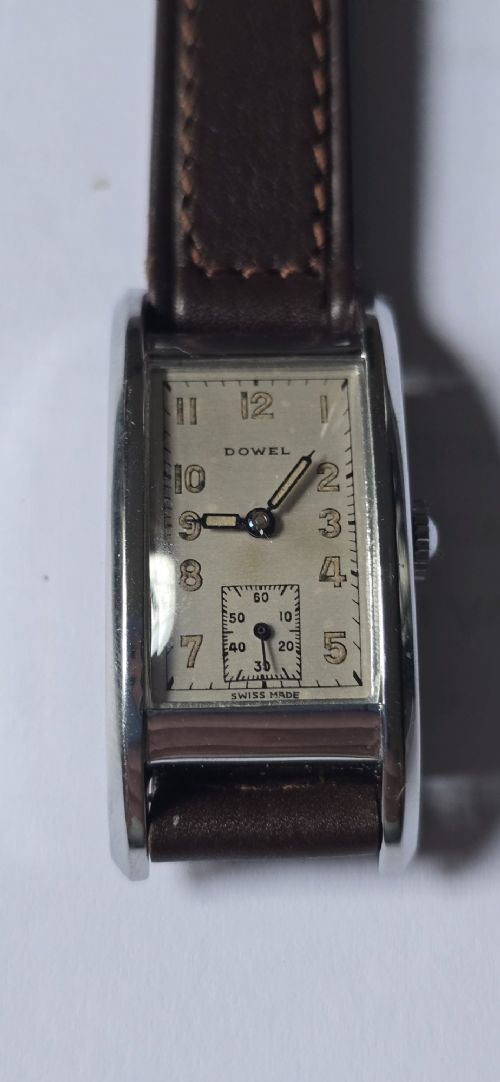
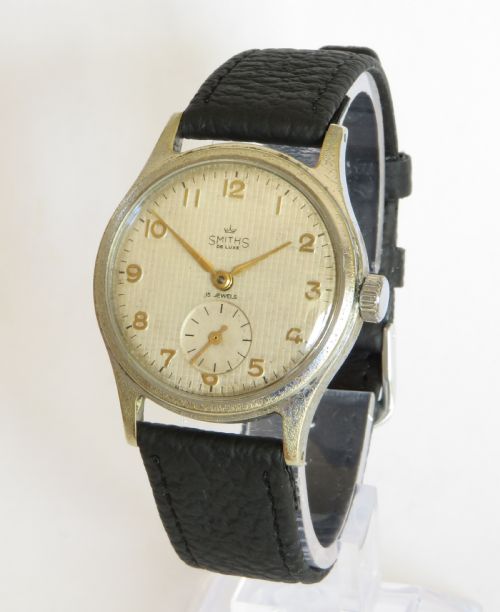
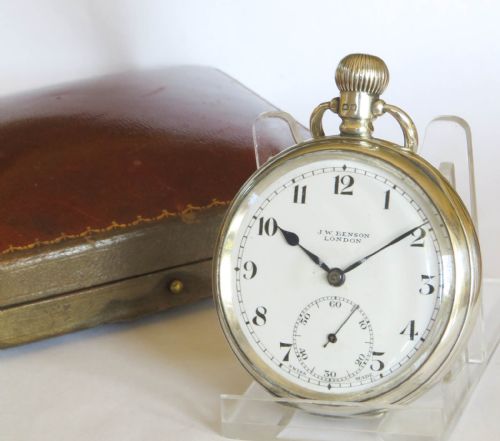
Silver Sub Second Watch
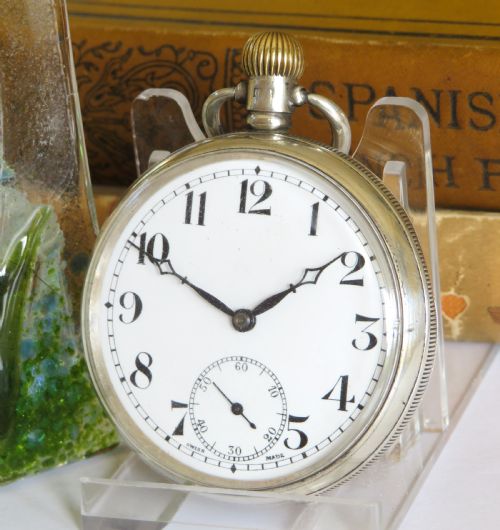
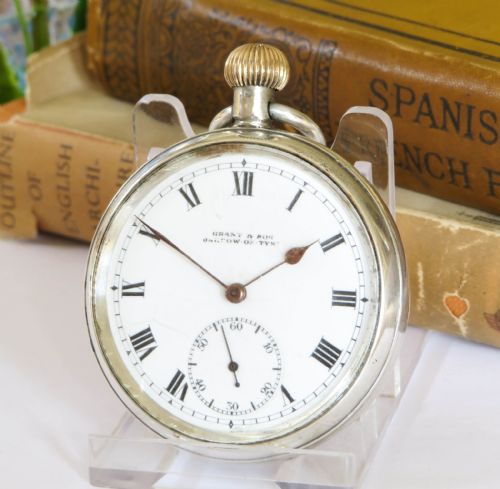
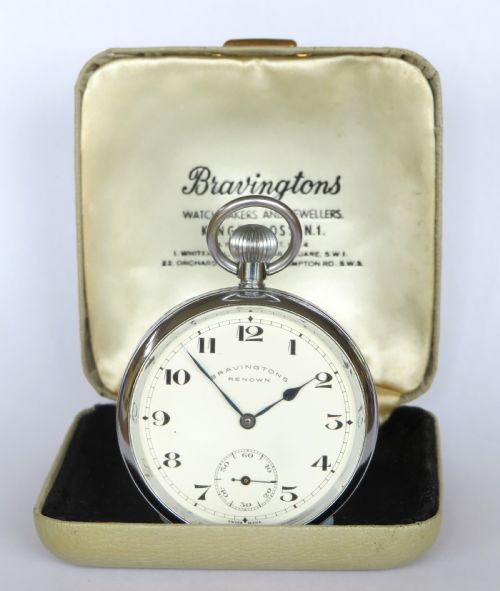
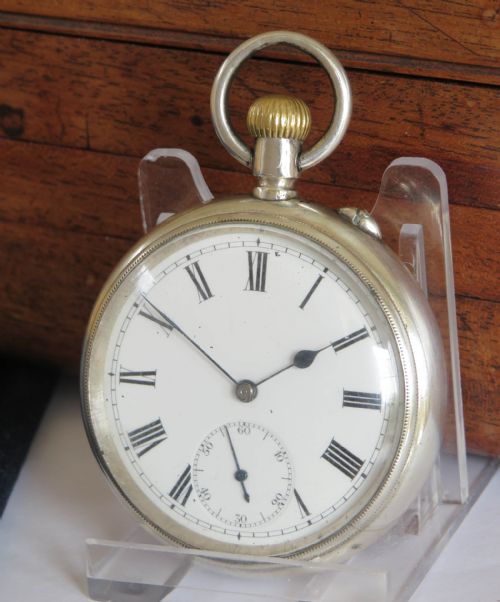
A silver sub second watch brings together dependable horology and a dedicated subsidiary dial for the seconds, spanning the Victorian era to the mid-century.
Silver Sub Second Watch
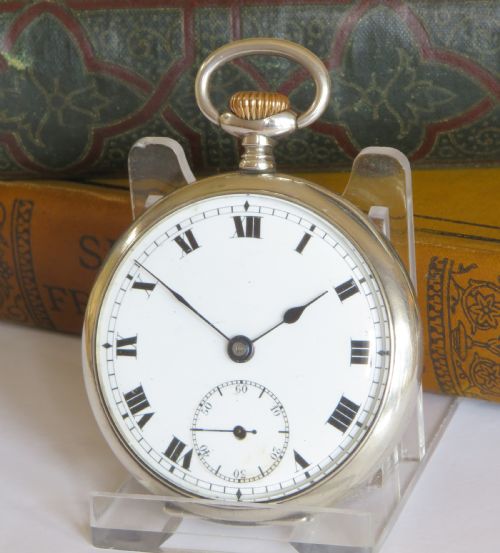
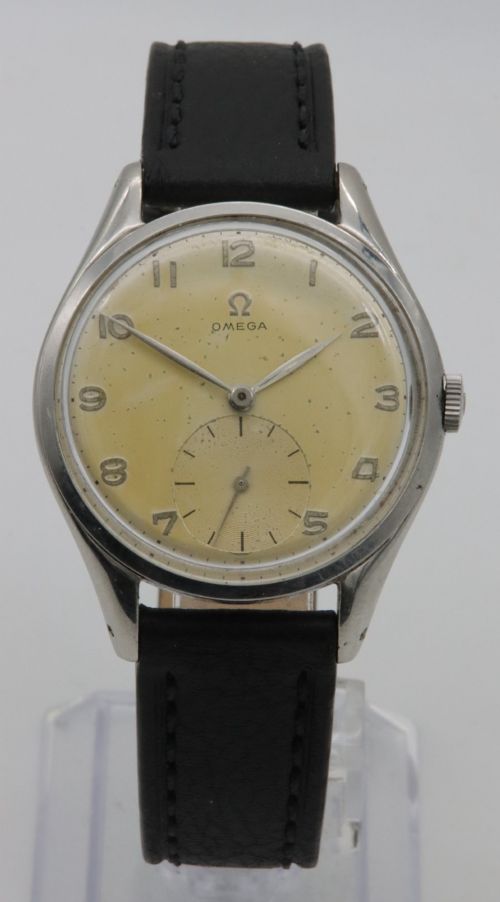
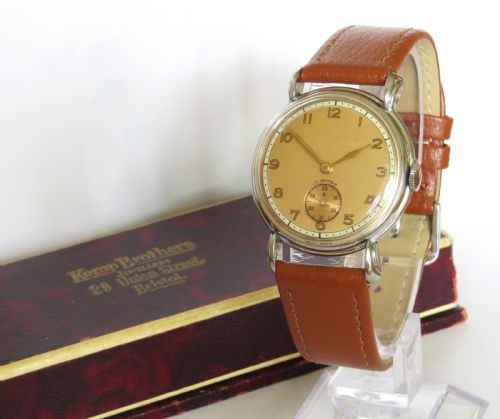
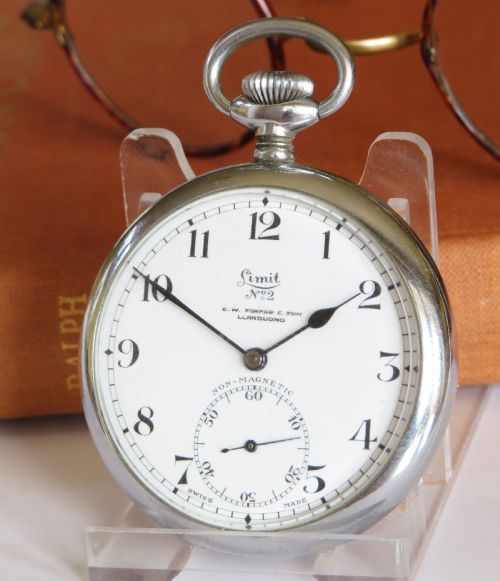
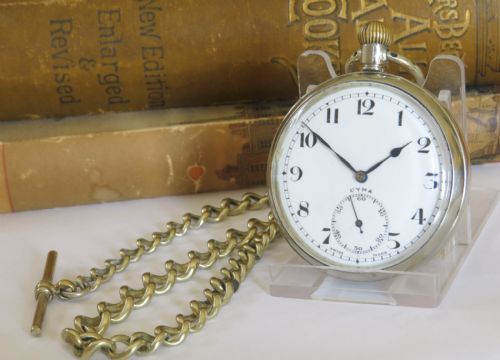
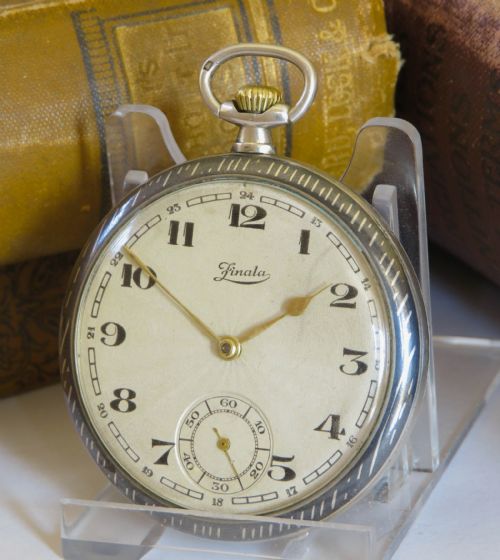
A silver sub second watch encompasses both pocket watches and wristwatches that isolate the seconds hand on a smaller dial, usually positioned above the six o'clock marker. Buyers searching this phrase examine timepieces produced across the nineteenth, twentieth, and mid-century periods, with the 1920s and 1930s providing a substantial portion of the available stock.
The assortment on this page ranges from civilian pocket watches paired with chains to military issue trench watches and heavy steel wristwatches. Makers from Switzerland and England dominate the selection, offering everything from hunter cases to open-face layouts and specialist niello finishes.
Materials and Construction
The casings rely primarily on silver, stainless steel, chrome, and nickel, paired with protective glass crystals and occasionally enamel dials. Leather straps frequently accompany the wristwatch variants, while pocket iterations connect to metallic chains.
Movements span manual wind to automatic calibres, housed within robust metal cases designed for daily wear or rigorous military service during the mid-century conflicts.
Evaluating the Range
Distinction across the range rests upon the intricacy of the movement, the preservation of the original dial markings, and the integrity of the silver or steel case. Pieces bearing military provenance or specific historical inscriptions demonstrate higher collectible focus.
The clarity of the sub-seconds dial and the retention of original hands and case geometry separate standard civilian timepieces from those with notable manufacturing pedigrees.
J W Benson·Helvetia·Record·Omega·Limit·Cyma·Silvana·Stauffer·Waltham·Tavannes·Longines·Tellus·Primula·Smiths·Bulova·Zenith·Elgin·Havila·Roamer·Rotary·Jaeger-LeCoultre
The Silver Sub Second Watch Glossary
- Sub-seconds
- A secondary dial on a watch face dedicated to tracking seconds independently from the main hour and minute hands. This layout appears frequently on vintage pocket watches and early wristwatches.
- Hunter pocket watch
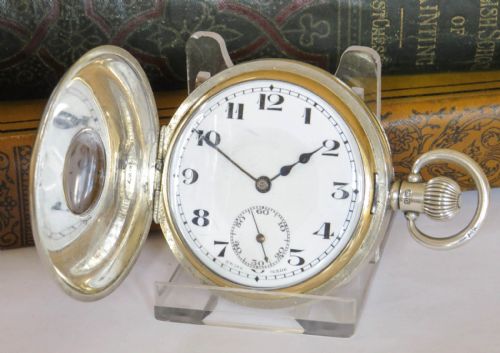
- A pocket watch featuring a spring-loaded metal cover that protects the glass dial. A half hunter variation includes a small glass aperture in the cover to read the hands without opening it.
- Niello
- A black metallic alloy used as a decorative inlay on engraved silver surfaces. This technique creates high-contrast patterns across vintage watch cases.
- Manual wind
- A mechanical watch movement that requires the wearer to manually turn the crown to tension the mainspring. Most historical pieces listed rely on this traditional winding method.
Silver Sub Second Watch: Frequently Asked Questions
How do I wind a vintage mechanical watch?
Wind a vintage mechanical watch by gently rotating the crown clockwise between your thumb and forefinger until you feel resistance. Stop immediately once resistance is met to avoid damaging the mainspring.
Perform this action at a consistent time each day if you wear the piece regularly to maintain accurate timekeeping.
Were these watches used in the military?
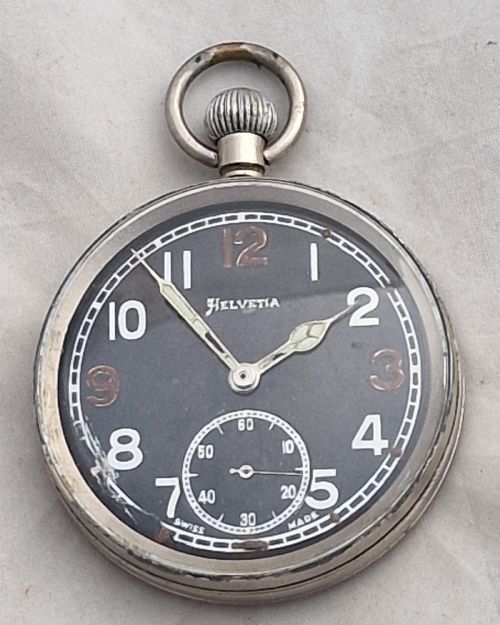
Many examples on the market served in military branches, particularly during the mid-century conflicts. These pieces often feature specific government issue markings, black dials for night visibility, and robust steel or silver cases.
Service watches were built to strict specifications to ensure reliability under harsh operational conditions.
What is the difference between a hunter and open-face pocket watch?
An open-face pocket watch exposes the glass dial directly to the elements without a protective metallic cover. A hunter pocket watch includes a hinged metal lid that shields the glass from scratches and impacts.
Both styles frequently utilise sub-seconds dials positioned at the lower half of the watch face.