





Silver Storage Caddy
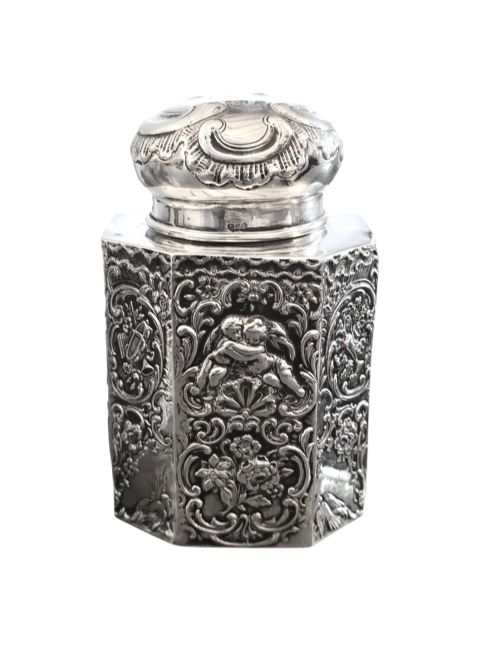
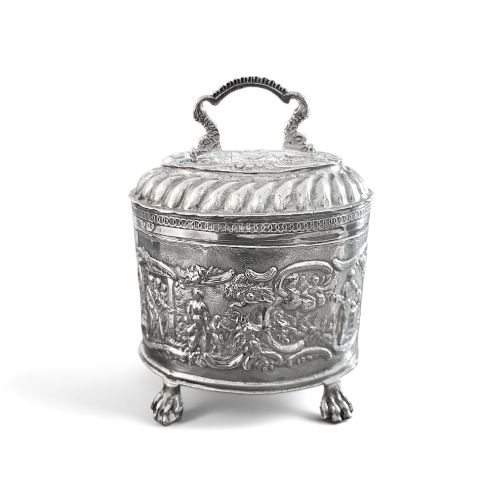
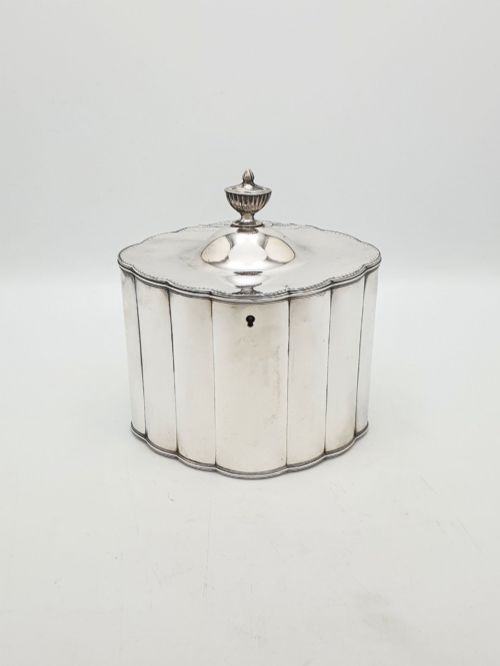
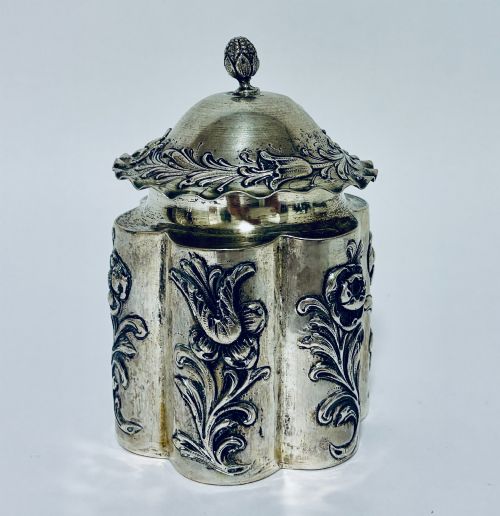
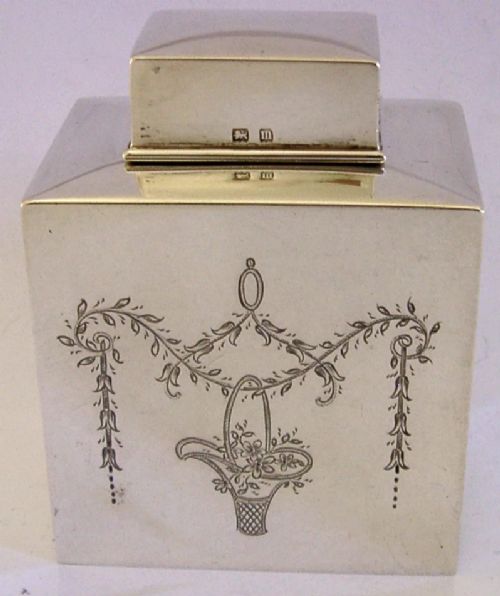
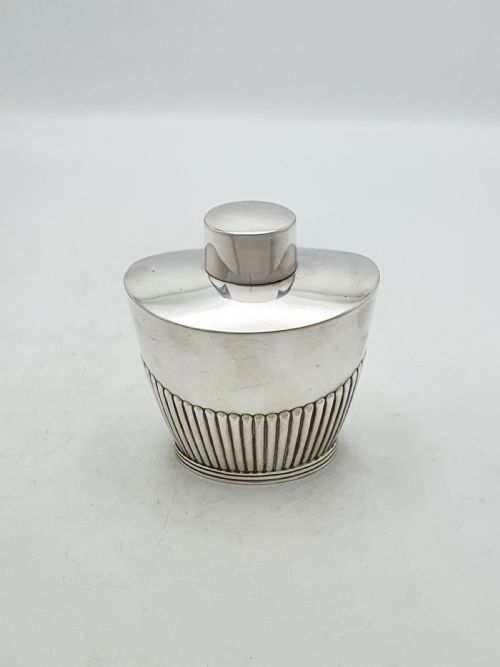
A silver storage caddy keeps dried leaf secure in style, ranging from Georgian box forms to Edwardian canisters crafted for the parlour.
Silver Storage Caddy
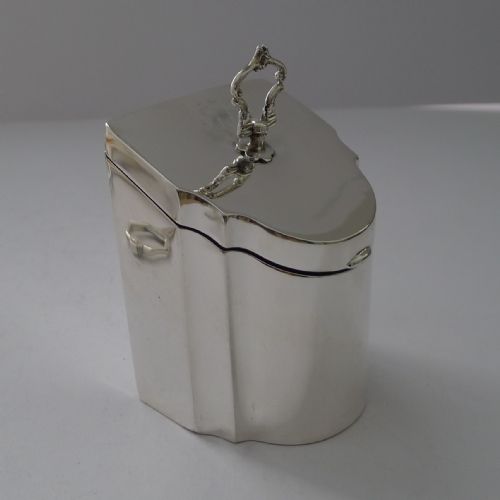
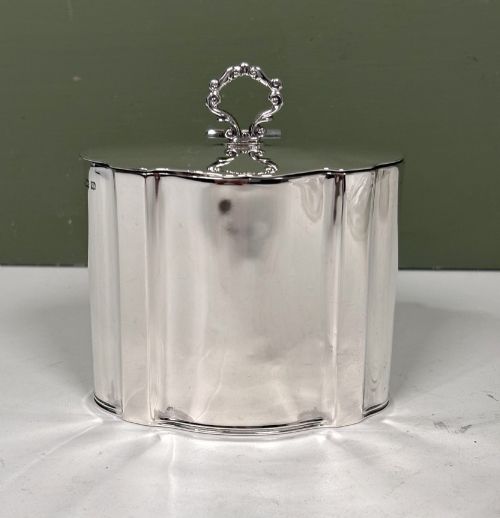
When searching for a silver storage caddy, buyers encounter containers designed originally for preserving tea leaves, alongside related biscuit boxes and decorative caskets. The selection spans periods from the Georgian era through to the Edwardian years and the twentieth century.
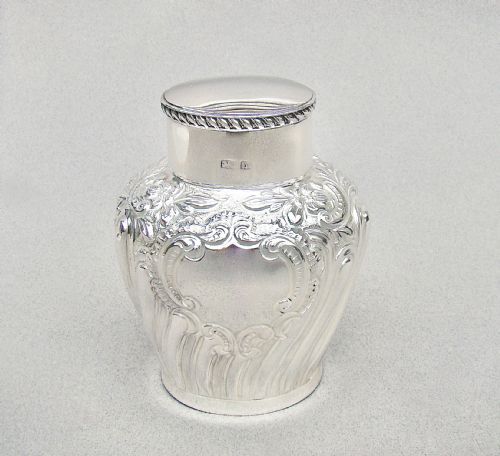
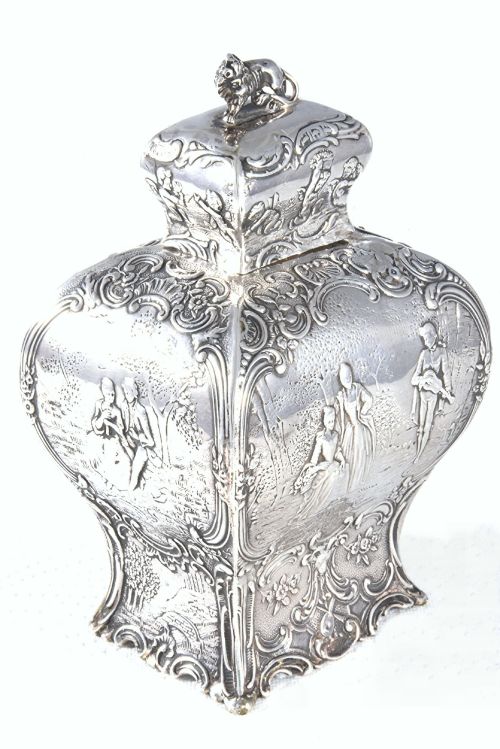
Tea caddies and canisters form the core of what is available, appearing in various shapes such as knife box forms, bombe profiles, and drum shapes. Materials extend beyond metal to incorporate tortoiseshell, wood, copper, and nickel silver alongside solid sterling silver and silver plate.
How they were made
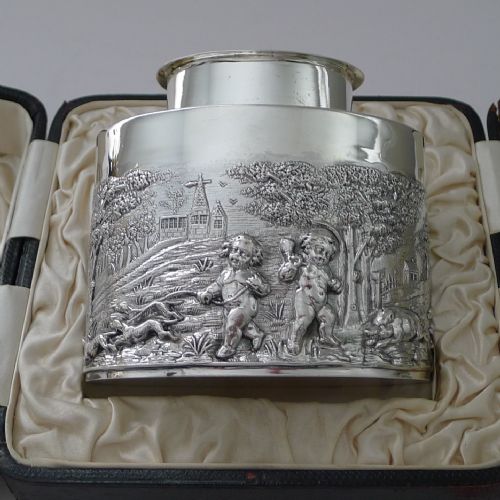
Silversmiths utilised sterling silver and silver plate, shaping metal through techniques like repousse work and hammering to create detailed surface patterns. Many pieces combine metal mounts with organic materials such as tortoiseshell or burr maple wood.
Maker workshops applied hallmarks and stamps to silver items to indicate origin and year, while specialised plating methods coated base metals to achieve a bright finish.
Silver Storage Caddy Retail Price Guide 2026
Typical asking prices for silver storage caddy among the pieces listed under this phrase on Sellingantiques today, from the lower quarter to the upper quarter. They describe what is for sale here now, not the wider market.
Novelty paint tin caddies disguise dry leaf storage as industrial containers, proving Victorians enjoyed hiding tea in unexpected places.
What varies in quality
The standard of a silver storage caddy is seen in the crispness of repousse detail and the structural integrity of hinges, lids, and mounts. Heavier gauge metal and clear hallmarks indicate superior workmanship.
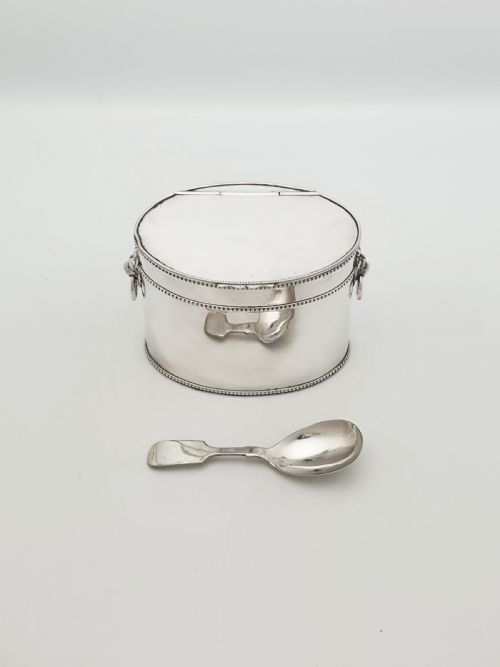
Pieces that retain original fitted interiors or functional elements like lion mask handles and matching spoons demonstrate a higher level of preservation.
Zimmermann·Thomas Hayes·Mappin & Webb·William Hutton & Sons Ltd·Asprey & Co·Atkin Brothers·Elkington & Co·Ernest Druiff & Co
The Silver Storage Caddy Glossary
- Repousse
- A metalworking technique where the artisan hammers the design from the reverse side to form a raised pattern on the front. This decorative method creates rich texture across tea caddy surfaces.
- Sheffield Plate
- An early fusing process of a thin sheet of silver onto a copper core, common in items from the Georgian period. It produces a durable composite material.
- Hallmark
- A series of stamped marks on silver indicating the maker, assay office, and year of production. These stamps provide provenance for antique pieces.
- Bombe
- A swollen, convex furniture or container profile with curved sides that taper toward the base. This rounded shape adds volume and visual depth.
- Biscuit Box
- A lidded container historically used for storing dry biscuits or baked goods in the dining room. Examples often mirror the cylindrical or drum forms of tea canisters.
Silver Storage Caddy: Frequently Asked Questions
What was a silver storage caddy used for?
These vessels served to store loose tea leaves securely away from moisture and light in the domestic parlour or dining room. The containers helped protect valuable dry goods under lock and lid.
Later forms also encompassed biscuit boxes and decorative caskets designed for table service and storage.
What is the difference between solid silver and silver plate?
Solid silver consists of sterling metal throughout its structure, meeting specific legal purity standards. It carries full sets of hallmarks denoting the assay office and maker.
Silver plate involves a thin layer of silver bonded to a base metal such as copper or nickel silver. This technique offered a bright finish at a lower cost.
How should I care for antique silver and tortoiseshell?
Keep containers away from direct sunlight and damp conditions to protect sensitive organic inserts like tortoiseshell and wood. Dust gently with a soft cloth rather than using harsh chemical polishes.
Silver surfaces require occasional careful cleaning with appropriate agents to maintain their shine without wearing down fine details.