



Silver Shelf Clock
A silver shelf clock brings both precise timekeeping and striking period design into a room, making it a functional centrepiece for any mantel.
Silver Shelf Clock
When you search for a silver shelf clock, you encounter pieces designed to sit on a mantelpiece, shelf or desk, varying widely in their decorative periods and construction. The examples available range from early Victorian carved timber cases to streamlined Art Deco chrome designs and Edwardian silver-fronted models.
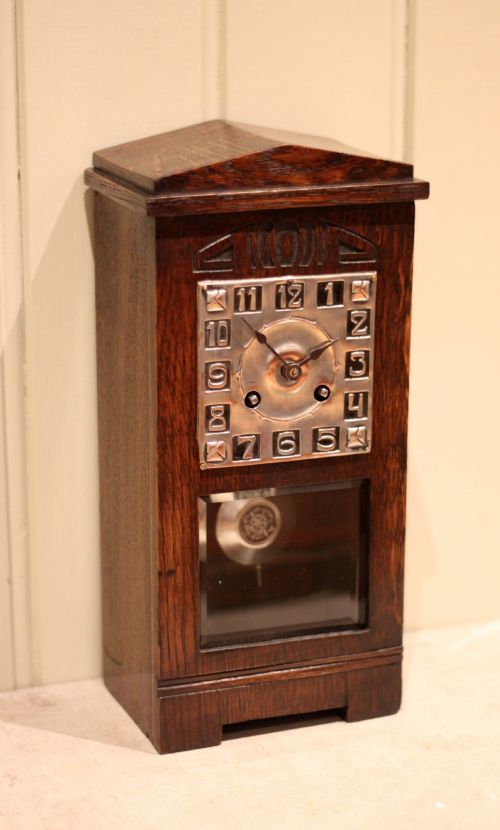
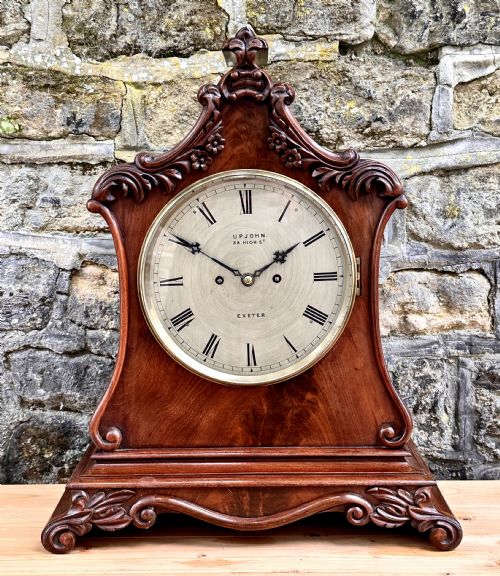
The selection on this page shows a strong representation of Arts and Crafts pewter pieces, traditional mahogany bracket clocks, and 1930s chime clocks. These objects served both a domestic utility and a decorative function in period interiors, often incorporating materials like brass, glass, and oak alongside silvered metal.
Makers and designers from Liberty and Co, such as David Veasey and Archibald Knox, appear alongside firms like Smiths, Newport, and Lenzkirch. The origins span English workshops and French cabinetmakers, giving buyers a diverse choice of regional styles and mechanical movements.
Materials and construction
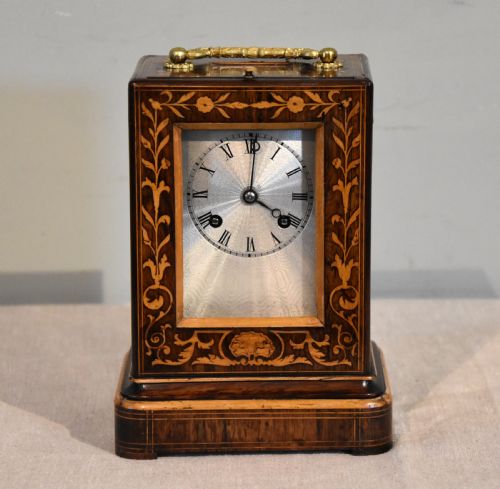
Makers constructed these cases using durable hardwoods such as oak, mahogany, burr walnut, and rosewood, frequently incorporating detailed carvings, inlaid veneers, or geometric forms depending on the prevailing style. Metal elements such as brass, chrome, and Tudric pewter provided structural framing and decorative contrast, often paired with enamel dials or glass viewing panels.
Artisan workshops utilised specialised techniques, combining cabinetmaking joinery with precision metalworking for clock bezels and bezels. Enamel accents and hand-beaten pewter finishes reflect the distinct craft traditions of the Arts and Crafts and Art Nouveau movements seen across the collection.
Silver Shelf Clock Retail Price Guide 2026
Typical asking prices for silver shelf clock among the pieces listed under this phrase on Sellingantiques today, from the lower quarter to the upper quarter. They describe what is for sale here now, not the wider market.
Some Edwardian models feature silver fronts so shiny you can check your hair while checking the hour.
Factors of quality
The standard of a silver shelf clock rests on the crispness of its case carving, the choice of timber veneers, and the integrity of its metalwork elements like enamel or cast pewter. Superior pieces demonstrate careful integration of the clock face with the surrounding wood or metal case.
Signatures from notable makers or distinctive design attribution elevate certain examples above standard production models. The refinement of the dial layout and the quality of the surrounding decorative work define the upper tier of the range.
David Veasey·Liberty and Co·Archibald Knox·Smiths·Lenzkirch·Newport
The Silver Shelf Clock Glossary
- Bracket clock
- Originally designed to sit on a wall bracket, this term later described portable spring-driven clocks housed in substantial wooden cases.
- Tudric pewter
- A trade name used by Liberty and Co for a high-grade pewter alloy often decorated with enamel cabochons in Arts and Crafts designs.
- Mantel clock
- A household clock designed to stand specifically on the shelf or mantelpiece above a fireplace.
- Silvered metal
- A base metal treated with a thin coating of silver to provide a bright, reflective dial surface.
- Westminster chime
- A melodic four-note quarter-chiming sequence played by the movement of the clock.
Silver Shelf Clock: Frequently Asked Questions
How do I identify an Edwardian clock?
Edwardian timepieces often show the influence of Art Nouveau design, featuring whiplash lines, organic motifs, and silver-fronted cases. They date from the early twentieth century and frequently combine traditional cabinet woods with modern metal finishes.
Examining the backplate, dial typography, and any maker stamps helps confirm this period of manufacture.
What is a bracket clock?
A bracket clock is a portable spring-driven timepiece enclosed in a wooden case, typically featuring a carrying handle on top. Originally placed upon a dedicated wall bracket, the name persisted even when the clocks were set directly onto shelves.
Mahogany, oak, and walnut are common woods used for these substantial cases.
How do I care for a vintage clock?
Keep the clock away from direct sunlight, excessive moisture, and rapid temperature changes that might affect the wood or internal metal springs. Dust the exterior gently with a dry, soft cloth without using harsh chemical polishes.
Professional servicing every few years ensures the mechanical movement continues to function properly.