





Silver Server Tray
A silver server tray brings functional elegance to hosting, offering sturdy surfaces in sterling silver, silver plate, or rich mahogany.
Silver Server Tray
When you search for a silver server tray, you encounter a diverse array of serving dishes, salvers, and occasional furniture designed for formal hospitality across the eighteenth, nineteenth, and twentieth centuries. These pieces span periods from early Georgian work to Edwardian designs and mid-twentieth-century French and German productions.
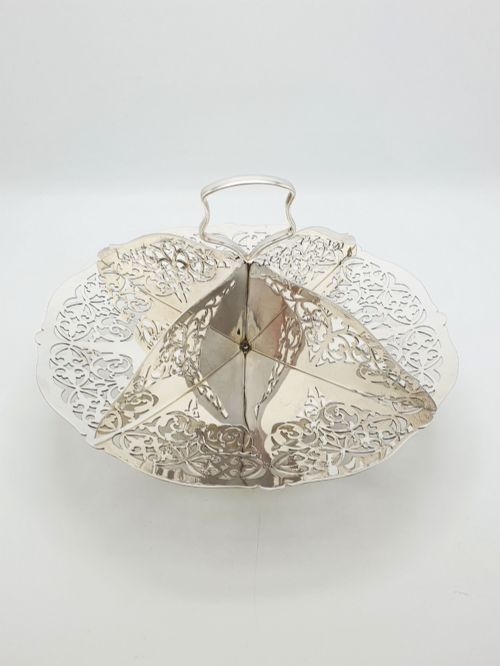
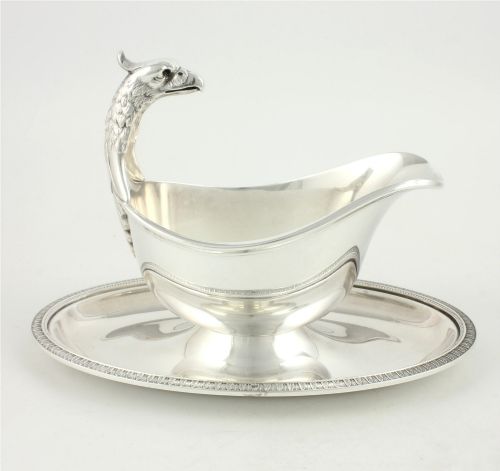
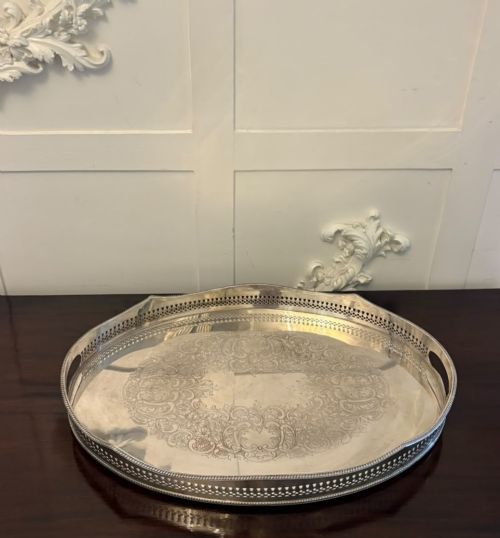
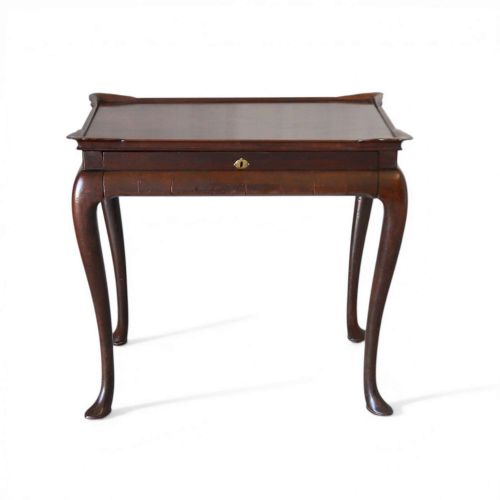
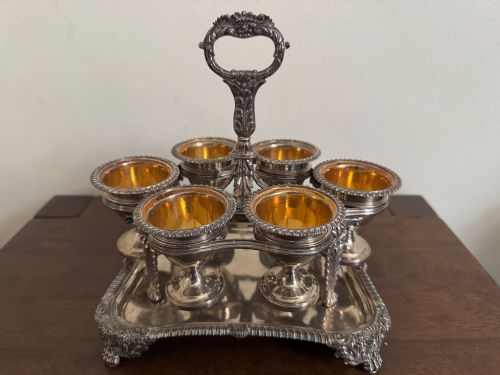
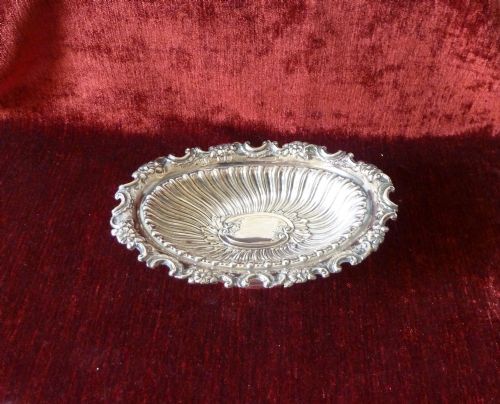
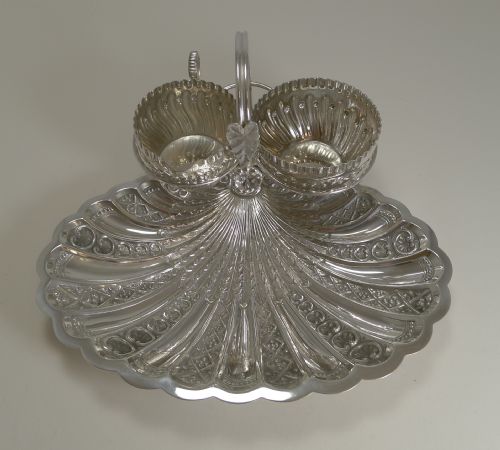
The most common forms on this page include engraved tea serving trays, gallery trays with shell inlay, and specialised serveware such as asparagus dishes, egg cruets, and sauce boats. Alongside traditional metal trays, the selection includes timber silver tables fitted with tray tops and cabriole legs.
Originating primarily from English workshops in Sheffield and London, alongside continental makers, these items reflect evolving domestic habits from tea ceremonies to elaborate multi-course dining. Each period contributes distinct motifs, ranging from classical Georgian symmetry to flowing Art Nouveau lines.
Materials and construction methods
Makers utilised sterling silver and heavy silver plate, including Old Sheffield Plate and EPNS, applying metal finishes to solid foundations or constructing vessels with cast and chased decorative borders. Silver plate techniques involved fusing silver sheets to copper or electroplating nickel silver bases.
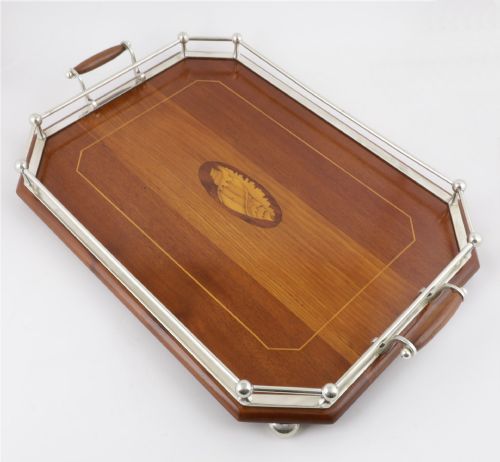
Wooden examples combine structural timbers like Cuban and standard mahogany with brass handles, gallery rails, and intricate shell inlay. Specialised vessels often incorporate original blown glass liners or fitted metal compartments to serve delicate foodstuffs securely.
Silver Server Tray Retail Price Guide 2026
Typical asking prices for silver server tray among the pieces listed under this phrase on Sellingantiques today, from the lower quarter to the upper quarter. They describe what is for sale here now, not the wider market.
Several trays come equipped with original glass liners designed to keep nineteenth-century pickled asparagus safely separated from silver.
Distinctions in execution and finish
The highest tier of these objects displays crisp, deeply hand-engraved detailing, substantial metal weight, and robust structural joinery that maintains rigidity under heavy loads. Lesser examples rely on shallow machine stamping or show thin plating where the base metal beneath becomes visible.
Superior execution shows in the precision of fitted components, such as flush-fitting glass liners in hors d'oeuvres dishes and tightly jointed gallery rails on timber trays. Maker marks from established silversmiths further elevate a piece through documented provenance and careful finishing.
Mappin and Webb·Christofle Gallia·William Burwash·Charles Boyton·Walker and Hall·Roberts and Belk·Matthew Linwood·Padley Parkin
The Silver Server Tray Glossary
- Salver
- A flat metal plate or tray used for serving food or drinks. They typically feature raised borders and rest on small feet.
- Old Sheffield Plate
- An early form of plated metal produced by fusing a sheet of silver to a copper core. This technique predates modern electroplating methods.
- Gallery tray
- A tray surrounded by an openwork metal or wooden pierced rail. This architectural border prevents items from sliding off during transit.
- Entree dish
- A covered serving vessel intended for holding main courses at the dining table. They frequently include detachable handles for versatile serving.
- Cruet stand
- A fitted frame holding multiple condiment bottles, sauce boats, or egg cups. These stands kept table seasonings organised during large meals.
Silver Server Tray: Frequently Asked Questions
What is a silver server tray used for?
These trays served primarily to transport and present tea services, beverages, or individual courses across the dining room and drawing room.
Over successive centuries, households utilised them for everything from morning breakfast service to formal evening entertaining.
How do I care for silver plate?
Maintain silver plate by washing it gently in warm soapy water using a soft cloth, avoiding abrasive scouring pads that wear away the thin metal layer.
Dry the surface immediately with a lint-free towel and apply specialised silver polish sparingly only when tarnish requires removal.
How do I date an old tray?
Examine the piece for stamped maker marks, registry numbers, or town hallmarks that correspond to historical silversmith records and tax stamps.
Construction details, such as hand-soldered joints, cast decorative borders, and the choice of underlying timber or metal, also indicate the period.