



Silver Reading Lens
A silver reading lens is a practical desk accessory that combines clear optical glass with precious metal work, offering both utility and desk appeal.
Silver Reading Lens
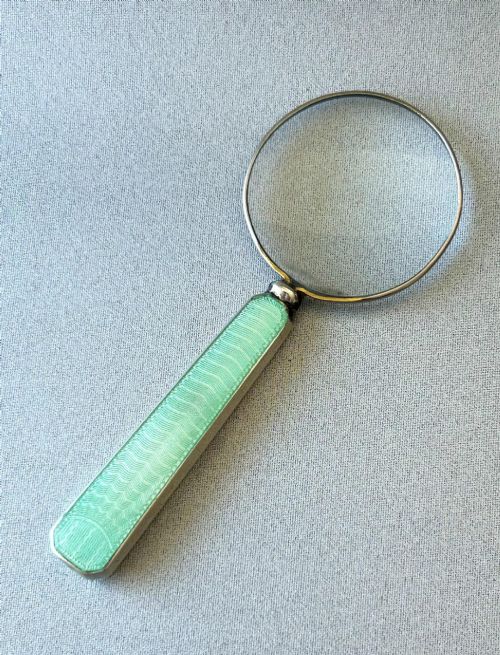
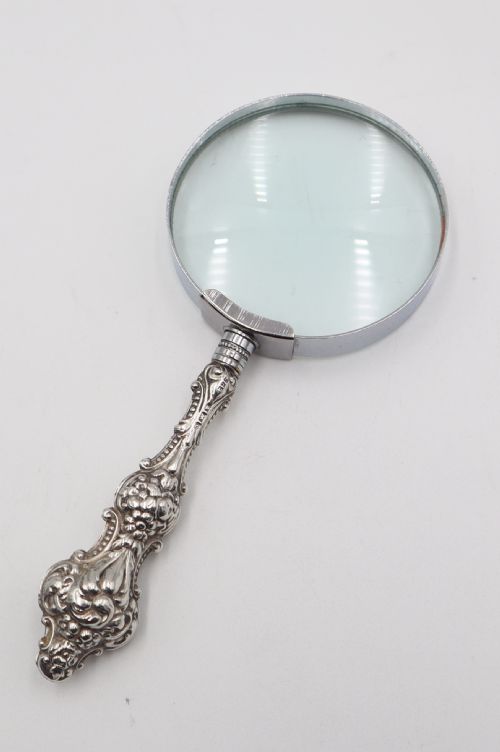
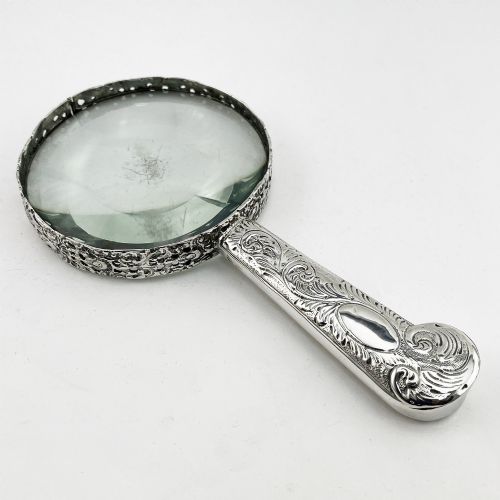
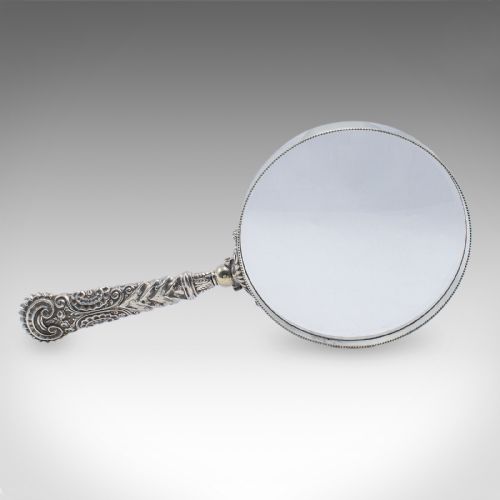
When you search for a silver reading lens, you are looking at functional desk accessories and library aids designed to enlarge text or maps. These pieces range from Victorian sterling silver handled magnifiers to Art Deco library tools.
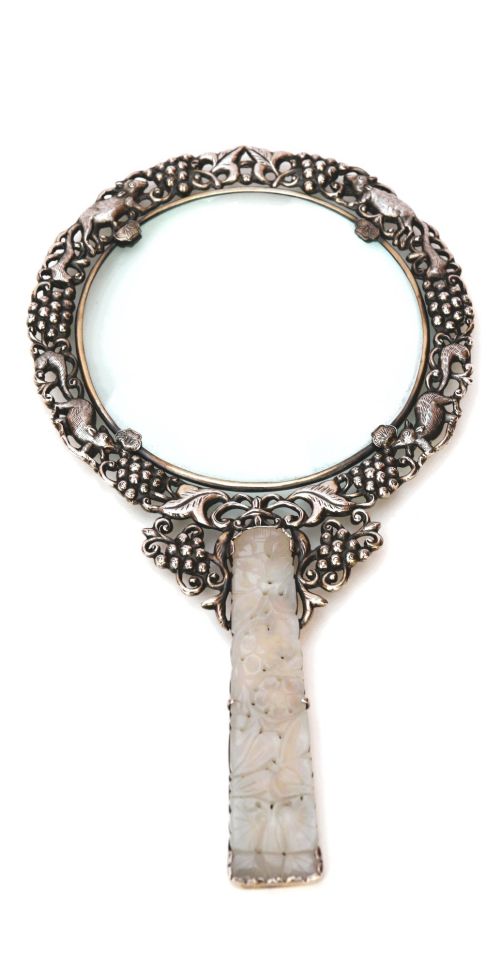
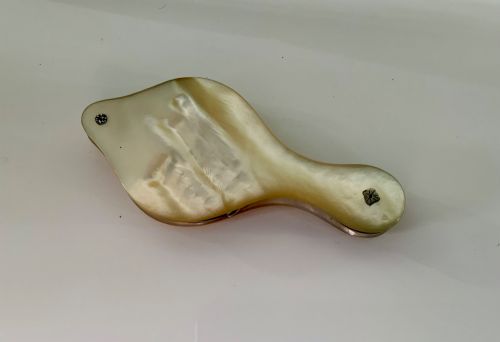
You are most likely to meet examples produced during the Victorian, Edwardian, and Art Deco periods, featuring sterling silver or silver plate frames combined with glass lenses. Materials such as shagreen, jade, brass, and ebony frequently appear alongside the metalwork.
The objects take various forms, including handled magnifiers, library aids, and desk accessories. Origins span English workshops to international houses like Hermes and Chinese Qing Dynasty pieces.
How they were made
Maker workshops constructed the frames using sterling silver or silver plate, often incorporating hallmarking to indicate assay offices such as Birmingham and dates of production. Handles and mounts frequently integrated natural materials like shagreen, jade, ebony, and brass.
Glass lenses were fitted securely into metal bezels or frames designed to withstand daily desk use. Craftspeople balanced the weight of the silver handle with the optical glass to ensure comfort during extended reading.
Silver Reading Lens Retail Price Guide 2026
Typical asking prices for silver reading lens among the pieces listed under this phrase on Sellingantiques today, from the lower quarter to the upper quarter. They describe what is for sale here now, not the wider market.
The documented periods span the Victorian and Edwardian eras, alongside Art Deco and Mid-Century Modern designs.
What varies in quality
The distinction between standard examples and finer pieces lies in the integration of secondary materials such as genuine shagreen or carved jade within the handle design. Superior pieces often bear clear hallmarks from notable makers and silversmiths.
Overall balance, weight distribution, and the clarity of the optical glass separate utilitarian workshop output from pieces intended for executive desks and luxury commission.
Mappin & Webb·P H Vogel & Co·Asprey·Hermes Paris
The Silver Reading Lens Glossary
- Sterling Silver
- A silver alloy containing 92.5 percent pure silver and 7.5 percent other metals, typically copper, used to ensure durability in desk items.
- Silver Plate
- A base metal object coated with a thin layer of silver, offering the visual appearance of solid silver at a different production cost.
- Shagreen
- Untanned skin from the skin of certain sharks or rays, prized for its granular texture and used to wrap or cover handles.
- Hallmark
- A series of official marks stamped onto precious metal items in Britain to certify the metal standard, assay office, and year of making.
Silver Reading Lens: Frequently Asked Questions
What is a silver reading lens?
A silver reading lens is an optical magnifying glass set within a sterling silver or silver-plated frame, designed for reading text, maps, and fine print.
These items served as functional library aids and decorative desk accessories across the Victorian, Edwardian, and Art Deco periods.
How do I date a silver reading lens?
You date these pieces by examining any official metal hallmarks stamped on the silver frame, which indicate the assay office and year of manufacture.
Stylistic indicators, such as Art Deco geometric forms or Victorian ornate cast silver handles, also provide clear dating evidence.
What materials are used besides silver?
Makers frequently paired silver and silver plate with optical glass lenses and natural decorative materials like shagreen, jade, ebony, and brass.
These secondary materials added texture, weight, and visual contrast to the handles and mounts of the magnifiers.
How were these magnifiers used historically?
They functioned primarily as desk accessories and library aids for reading small print, study texts, and detailed maps.
Owners kept them on library tables, writing desks, and in studies as both practical tools and decorative desktop items.