

Silver Plating Tableware
When you search for silver plating tableware, you find functional dining items transformed by metal deposition into centrepieces for the formal dining table.
Silver Plating Tableware
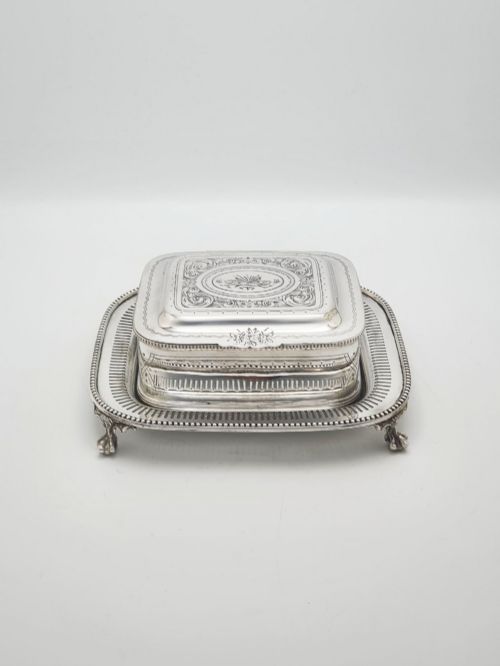
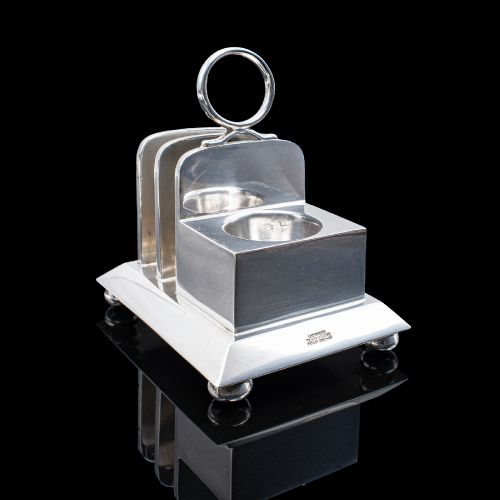
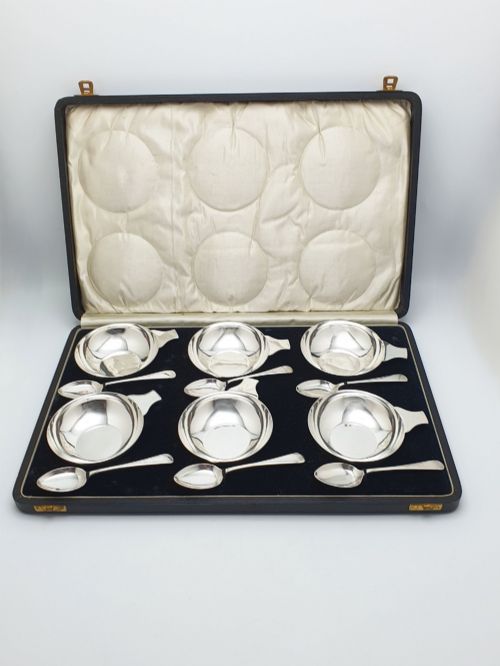
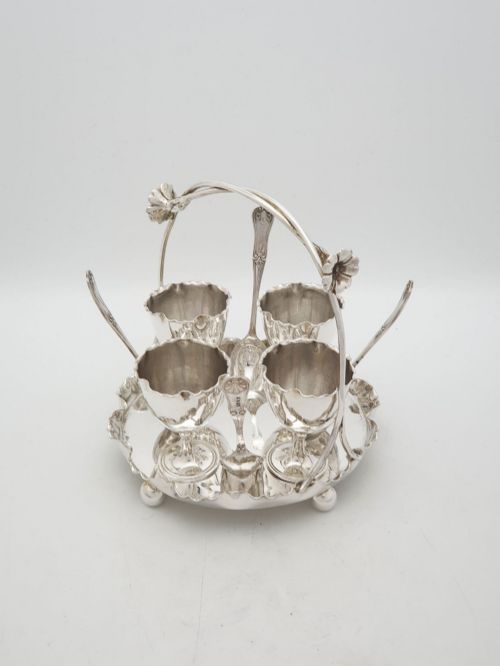
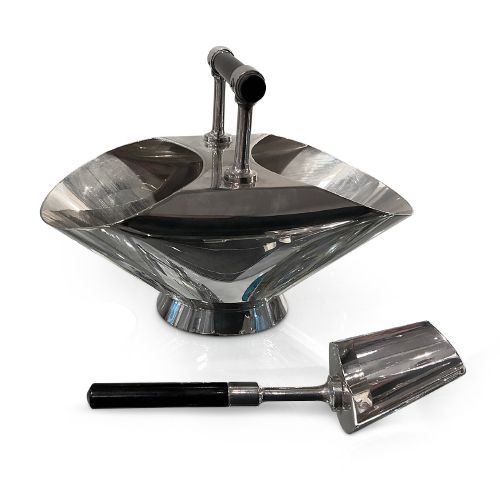
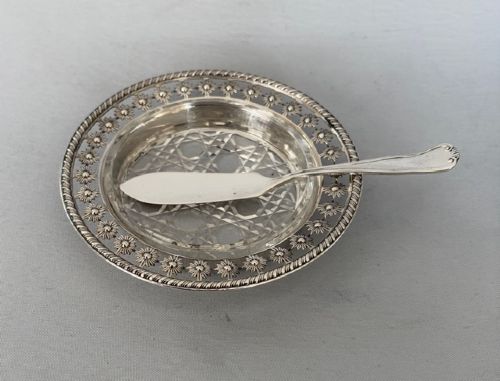
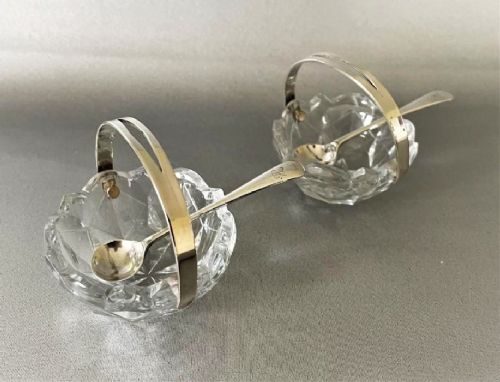
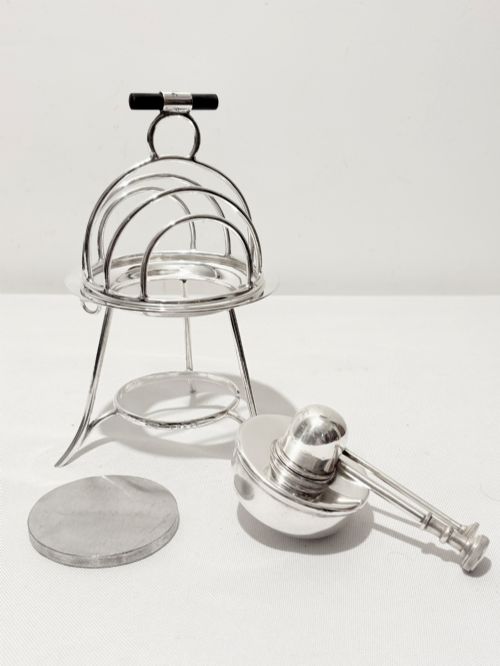
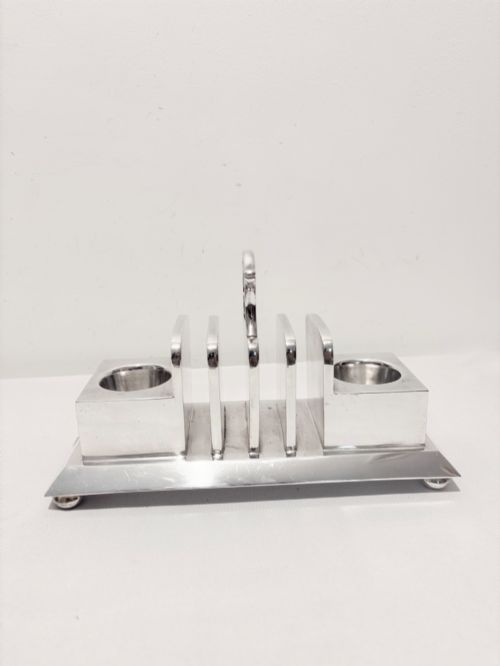
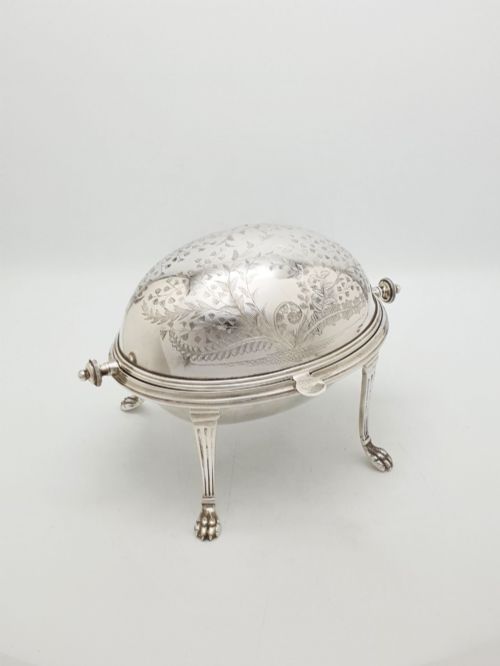
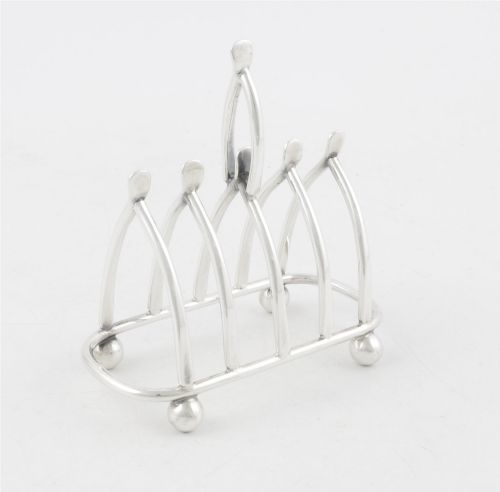
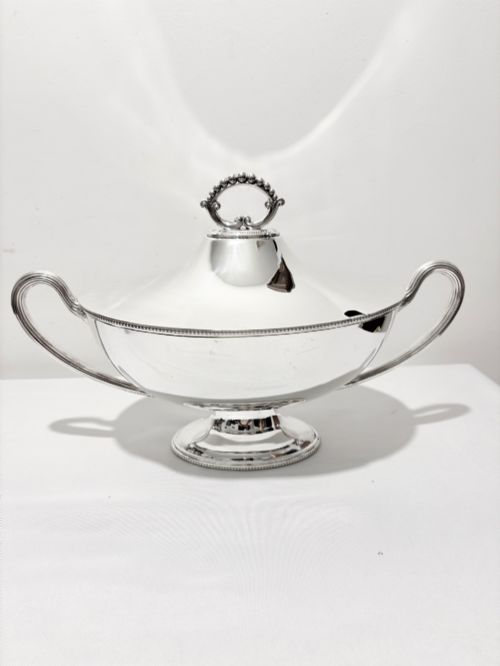
Silver plating tableware encompasses practical dining accessories produced across the Victorian, Edwardian, and mid-century periods. The selection here leans heavily towards Edwardian toast racks, Victorian cruet sets, and various serving vessels intended for the dining room.
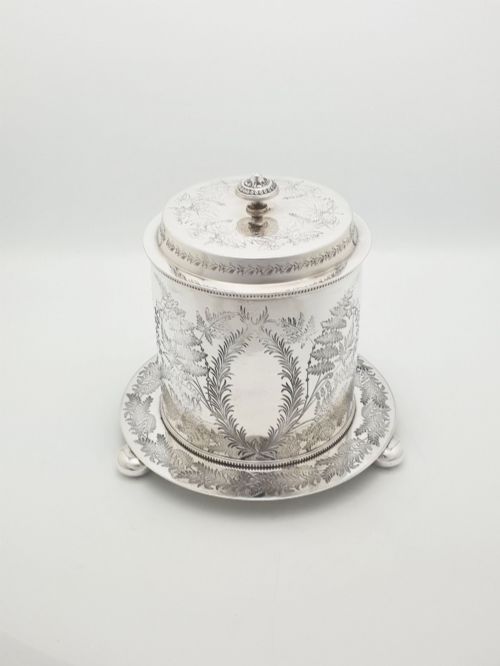
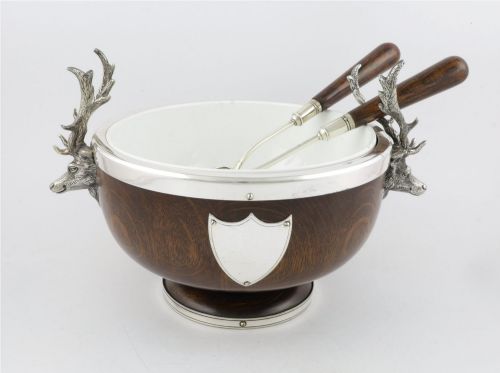
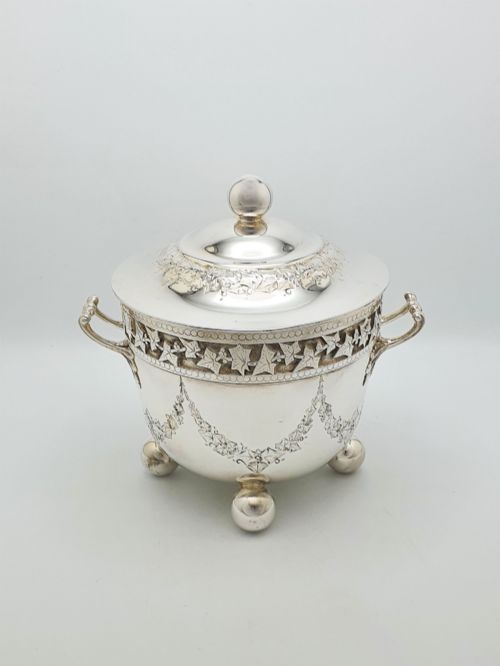
Buyers encounter items ranging from simple napkin rings to elaborate tea and coffee sets, biscuit barrels, and sauce boats. Many pieces incorporate functional compartments, folding mechanisms, or glass liners designed for specific table services.
How they were made
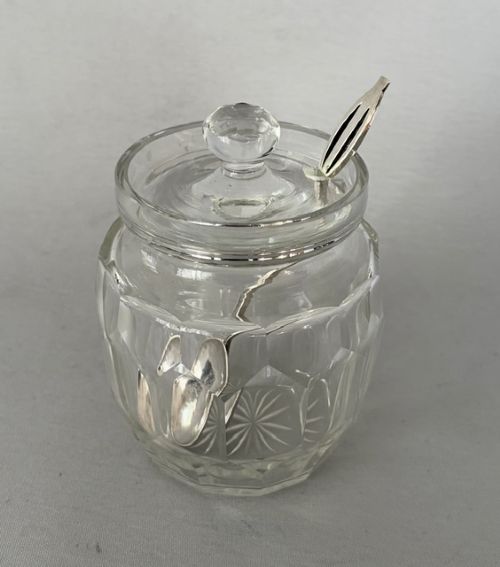
Manufacturers built these objects using base metals such as copper, nickel silver, or electroplated nickel silver, applying a thin coating of silver to the exterior surface. Artisans combined metalwork with cut glass, ceramics, and occasionally wood or agate to create durable domestic items.
Techniques evolved from early fused plating methods like Old Sheffield Plate to later chemical electroplating processes. Engraving, embossing, and casting formed the decorative vocabulary applied to handles, feet, and rims.
Silver Plating Tableware Retail Price Guide 2026
Typical asking prices for silver plating tableware among the pieces listed under this phrase on Sellingantiques today, from the lower quarter to the upper quarter. They describe what is for sale here now, not the wider market.
The listings include pieces spanning from the nineteenth century through the mid-twentieth century, utilising silver plate, glass, copper, and wood.
What varies in quality
Quality rests on the thickness of the original metal application and the crispness of any chased or embossed decoration. Thicker plating resists wear through decades of polishing, keeping the underlying copper or nickel hidden from view.
Substantial construction of hinges, frames, and handles distinguishes standard domestic ware from items produced by premier workshops. The integration of complementary materials like high-grade cut glass or porcelain liners further elevates the standard of a piece.
Hermes Paris·Christofle Gallia·Mappin and Webb·Daniel Arter·Walker and Hall
The Silver Plating Tableware Glossary
- Electroplated Nickel Silver
- A copper, nickel, and zinc alloy coated with silver through an electrical process. This material became the standard base for mass production of dining items from the mid-nineteenth century onwards.
- Old Sheffield Plate
- An early method of fusing a thin sheet of silver to a thicker copper core by heat and pressure. Pieces produced this way often reveal a thin line of copper along cut edges.
- Cruet Set
- A matched collection of small containers designed to hold condiments, vinegar, oil, salt, and pepper at the dining table. These typically sit within a dedicated silver plated frame or stand.
- Biscuit Barrel
- A covered container designed to keep dry baked goods fresh in a domestic setting. Victorian examples frequently feature elaborate mechanical lids or fitted glass interiors.
- Toast Rack
- A small table frame with vertical divisions designed to hold slices of toast upright. Edwardian variants often include a central carrying loop and matching crumb tray.
Silver Plating Tableware: Frequently Asked Questions
How do I clean silver plating tableware?
Use a soft cloth and a specialised silver polish designed not to strip the thin metal layer. Avoid abrasive pads or harsh chemical dips that damage the plated surface.
Wash items in warm soapy water and dry them immediately to prevent water spots. Store pieces in dry conditions away from direct sunlight.
Can I use these items daily?
Many items function well for modern dining if handled with reasonable care. Items with glass liners or sturdy frames withstand regular use during meals.
Hand wash all plated items rather than placing them in an automatic dishwasher. Acidic foods should not remain in contact with the metal for extended periods.
What is the difference between silver plate and solid silver?
Solid silver contains precious metal throughout the entire thickness of the object, while silver plate applies a thin layer over a base metal core. Plated items offer the visual appearance of solid metal at a lower weight and cost.
Examination of edges or worn spots often reveals the base metal beneath the plating. Hallmarks on plated items typically indicate the maker rather than metal purity.
How do I date these pieces?
Styles of decoration, handle design, and manufacturing techniques help determine the era of production. Victorian and Edwardian items often display distinct aesthetic movements from gothic revival to art nouveau.
Maker marks stamped into the metal base provide reference points in historical records. Associated ceramic inserts or patent dates on mechanisms also narrow down the period of manufacture.