



Silver Plated Metal Candlesticks
Silver plated metal candlesticks bring weight and steady illumination to a room, ranging from restrained Georgian columns to sinuous Art Nouveau forms.
Silver Plated Metal Candlesticks
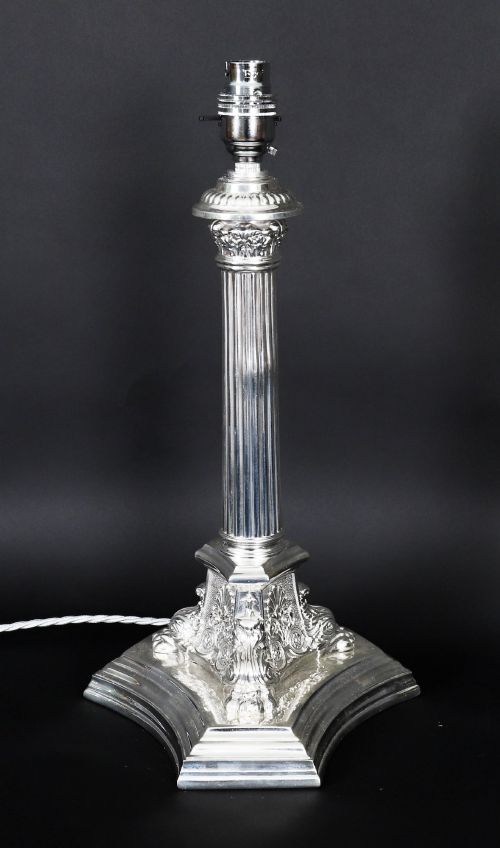
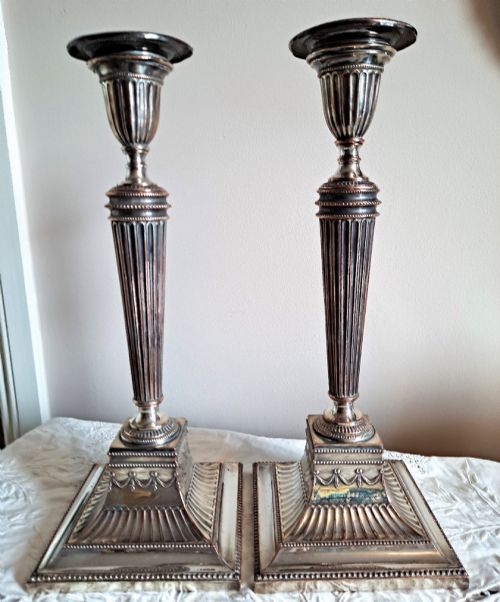
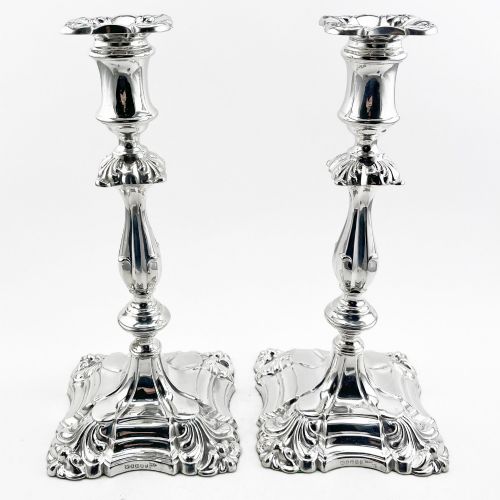
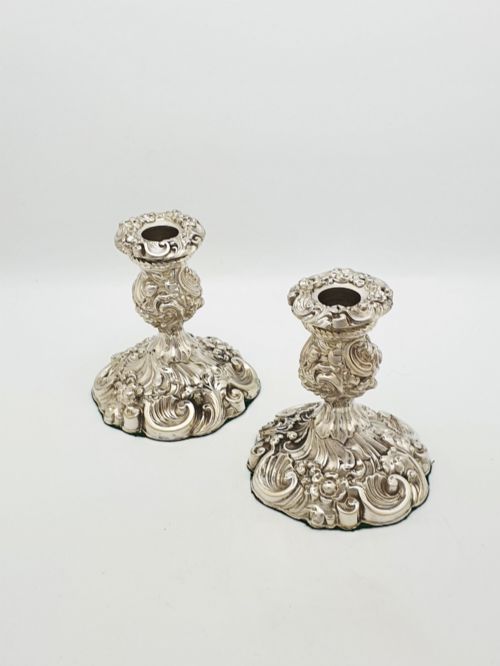
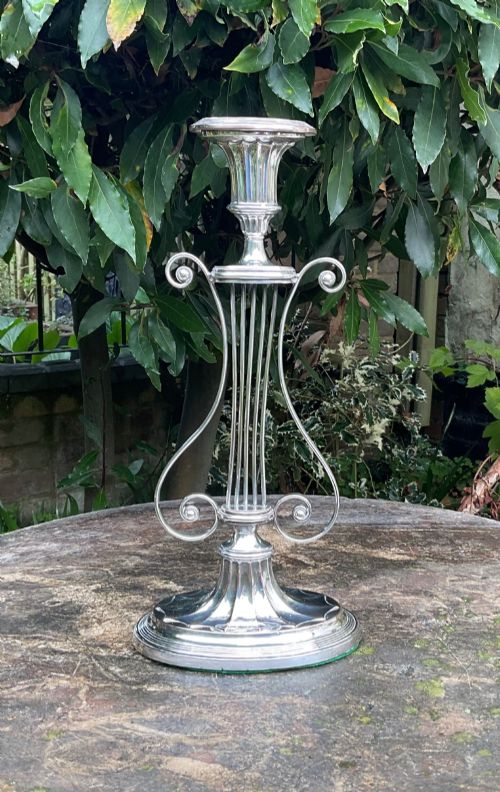
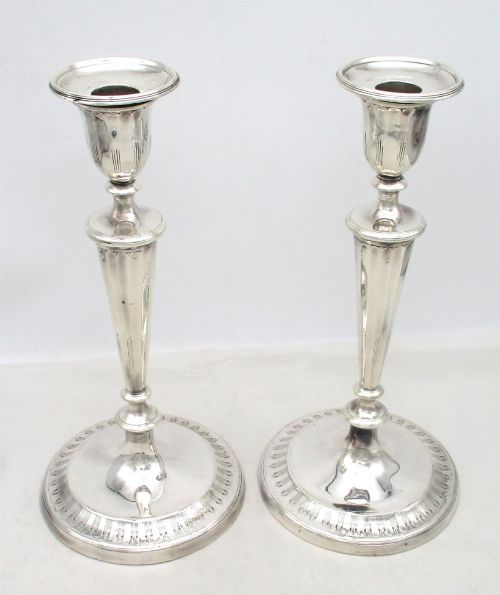
Silver plated metal candlesticks are lighting fixtures formed from base metals like copper, brass, or pewter and coated with a thin layer of silver. The pieces gathered here span from the eighteenth century through the mid-twentieth century, encompassing domestic table lights, chambersticks, and grand candelabra suites.
Nineteenth-century and Victorian examples appear most frequently, alongside earlier Georgian designs and decorative turn-of-the-century items. Forms range from simple round bases to neoclassical columns and organic leaf motifs.
Makers and manufacturers utilised various manufacturing methods, creating items that served both utilitarian needs and formal interior display. Buyers encounter everything from travelling reading lamps to large ecclesiastical and dining table centrepieces.
Materials and construction
Base metals such as copper and brass form the structural core of these objects, providing the necessary rigidity and weight. Early makers applied silver through techniques like Old Sheffield Plate, fusing a thin sheet of silver to a copper ingot before shaping.
Later production shifted towards electroplating, depositing silver onto nickel or other white metals using an electrical current. Artisans also worked with silvered pewter and parcel gilt, adding selective gold accents to highlight chased or cast details.
Silver Plated Metal Candlesticks Retail Price Guide 2026
Typical asking prices for silver plated metal candlesticks among the pieces listed under this phrase on Sellingantiques today, from the lower quarter to the upper quarter. They describe what is for sale here now, not the wider market.
Listings feature silver plated metal candlesticks spanning periods from the eighteenth century to the mid-twentieth century, alongside Old Sheffield Plate and silvered pewter.
Assessing quality and craftsmanship
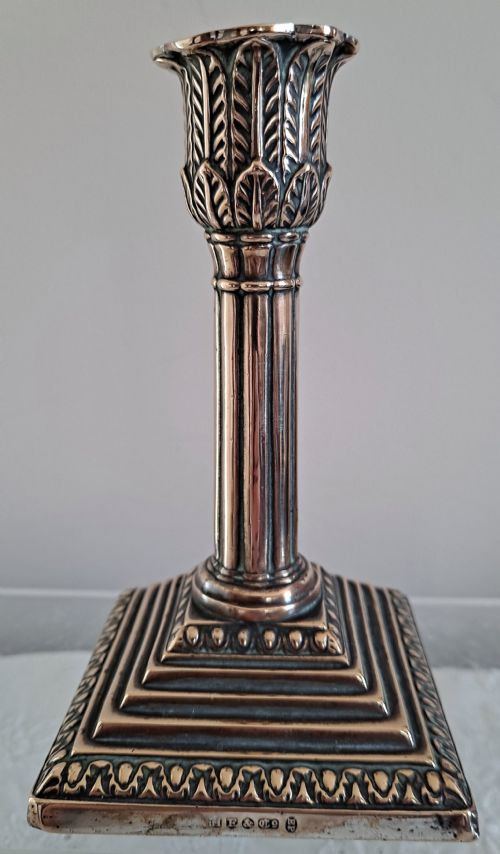
The distinction between standard production and top-tier pieces lies in the crispness of the casting and the thickness of the original plating. Finer items retain sharp relief in decorative motifs such as acanthus leaves, reeding, or neoclassical swags without softening from wear.
Makers' marks and stamps from established firms indicate workshop pedigree, though unmarked pieces often display exceptional hand-finishing and substantial base weight. The durability of the underlying fusion or electroplate determines how much of the base metal shows through after decades of use and cleaning.
Mappin & Webb·WMF·Veritas Lamp Works·Blagden Hodgson And Co·Barker Ellis·Liberty And Co·Elkington
The Silver Plated Metal Candlesticks Glossary
- Old Sheffield Plate
- An early method of fusing a thin sheet of silver to a thick copper base before rolling and shaping. This technique often reveals thin lines of copper along exposed edges.
- Parcel Gilt
- A surface treatment where parts of the object receive a thin coating of gold while the rest remains silver. This highlights specific decorative elements such as floral or figural details.
- Chamberstick
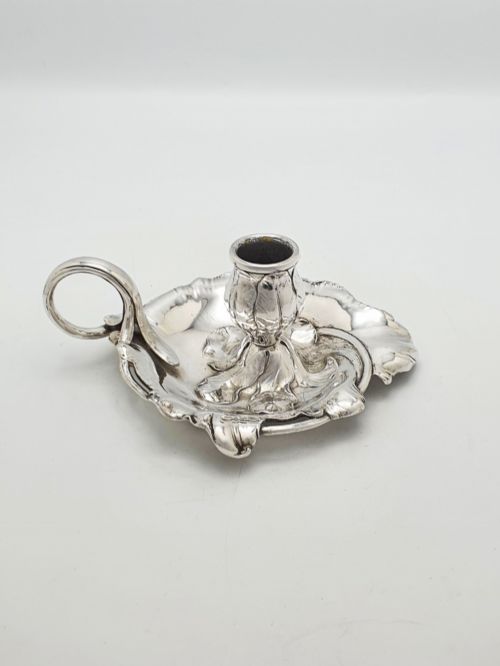
- A low candlestick fitted with a saucer base and a handle, designed for carrying bedroom lighting. Many include a small detachable cone snuffer.
- Candelabra
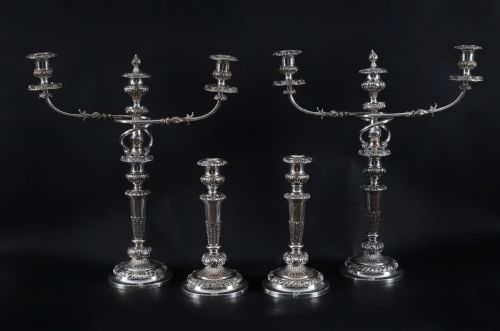
- A branched candlestick holding multiple lights on a single stem. These range from small desk suites to large dining table centrepieces.
- Silvered Pewter
- A tin-based alloy treated with a silver finish rather than a heavy plated layer. It was favoured by continental workshops for fluid Art Nouveau designs.
Silver Plated Metal Candlesticks: Frequently Asked Questions
How do I clean silver plated candlesticks?
Use a soft cloth and a gentle silver polish formulated for plated items to avoid wearing through the thin metal layer. Heavy rubbing can expose the underlying copper or brass base, particularly on raised edges and corners.
Wash away residue with warm soapy water and dry thoroughly immediately after cleaning. Avoid abrasive dips and stiff brushes that scratch the soft silver surface.
What is Old Sheffield Plate?
Old Sheffield Plate is an early composite material made by melting a sheet of silver onto a thick copper ingot. The combined block was then rolled into sheets and worked into candlesticks and other wares.
This technique predates nineteenth-century electroplating and leaves subtle copper seams along cut edges. Items made this way are prized for their early manufacturing history.
Are these pieces weighted at the base?
Many candlesticks contain an internal filling of pitch, resin, or plaster to provide stability and counter the weight of tall candles. This traditional construction prevents the slender items from tipping over easily during use.
Base plates of thin metal or baize usually cover the weighted interior. Care must be taken to keep moisture away from the bases during cleaning to protect the filling.
How can I tell a lamp conversion from an original?
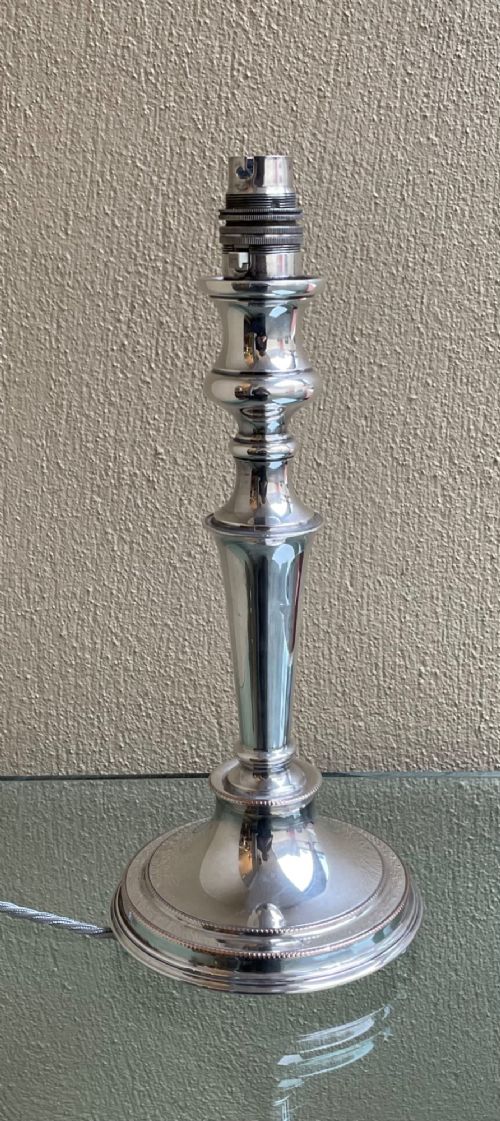
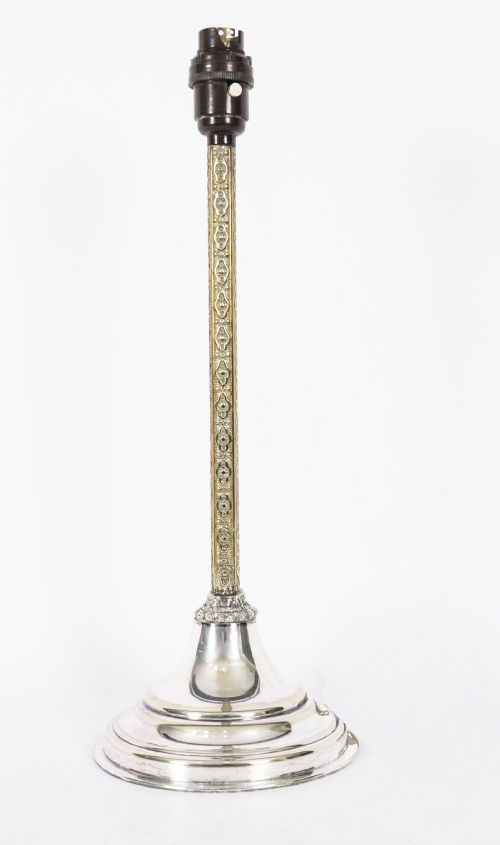
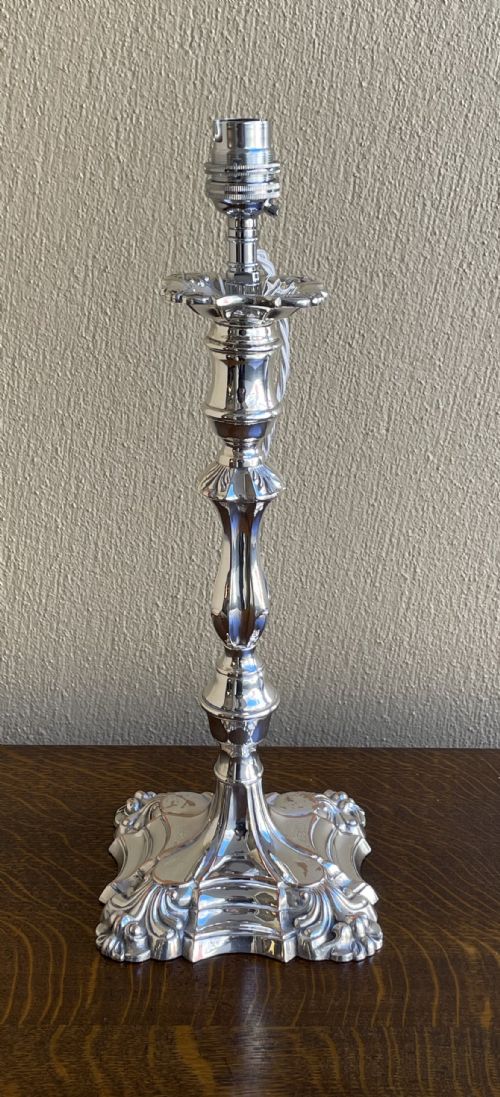
Converted candlesticks typically feature drilled holes in the drip pan or base to accommodate electrical wiring and threaded brass fittings. Original lamps were manufactured with internal channels or dedicated mounts designed for illumination.
Examining the underside and socket fittings usually reveals whether the conversion happened later. Unaltered candlesticks retain their original bobeches and wax catchers.