




Silver Plated Lighting Fixture
A silver plated lighting fixture brings lasting warmth to a room, offering the refined presence of solid silver without the constant polishing.
Silver Plated Lighting Fixture
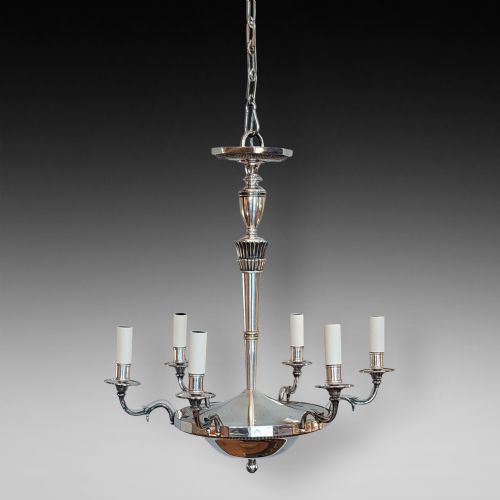
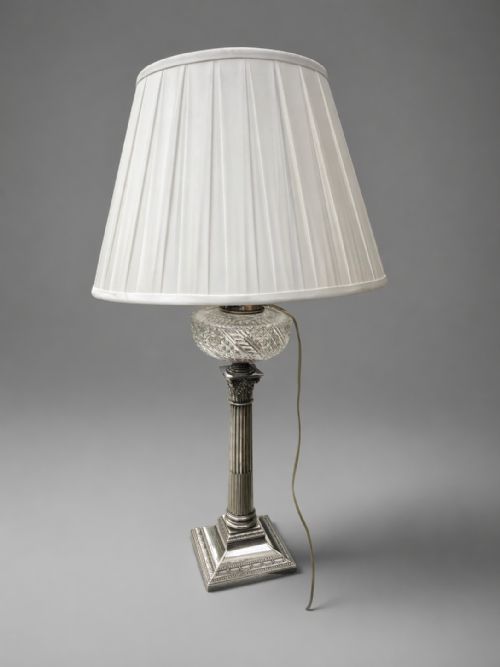
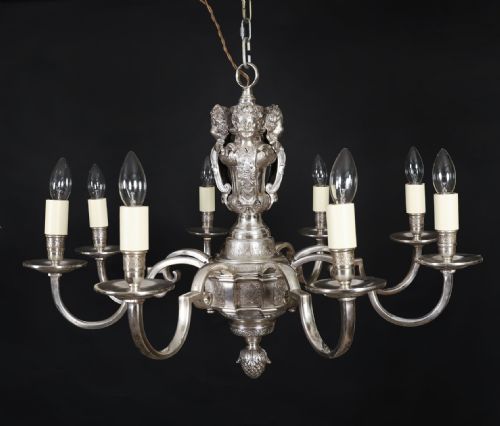
A silver plated lighting fixture covers everything from grand chandeliers to slender table lamps designed to illuminate period interiors. When searching for a silver plated lighting fixture, buyers encounter a range of forms including wall lights, pendant lights, and ceiling fittings.
The pieces appearing on this page span several distinct eras, stretching from the mid nineteenth century through the Victorian and Edwardian periods into the nineteen thirties. Grand chandeliers with multiple arms sit alongside English and German table lamps and dish lights.
Origin and style vary widely across the selection, taking in Neo-Classical lines, Dutch Baroque influences, and Russian Empire forms. Buyers most frequently meet Edwardian and Victorian ceiling fittings and lamps constructed with plated metal surfaces.
How they were made
Makers built these lighting fixtures using robust base metals like brass, which provided the structural strength needed for multi armed chandeliers and heavy lamp bases. Artisans then applied a silver plate over the metal core to give the finished object a bright, reflective exterior.
Many designs incorporate glass elements, pairing the plated metal with cut glass, lead crystal, cobalt glass, or plain glass shades and drops. Fabric components also appear in the construction, particularly on lamps designed to soften the bulb illumination.
Silver Plated Lighting Fixture Retail Price Guide 2026
Typical asking prices for silver plated lighting fixture among the pieces listed under this phrase on Sellingantiques today, from the lower quarter to the upper quarter. They describe what is for sale here now, not the wider market.
Some nineteenth century chandelier makers hid candle sockets inside elaborate metal petals so artificial electric wiring could mimic old candlelight.
What varies in quality
The distinction between ordinary and exceptional pieces lies in the crispness of the casting and the depth of the silver application over the brass or metal core. Superior examples retain substantial metal weight and show careful integration between the glass components and the plated frame.
Design ambition separates basic utility items from grand decorative works, as seen in the complexity of arm arrangements and the presence of Neo-Classical or Baroque detailing. The quality of the cut glass drops and the preservation of the original plated surface further divide the range.
The Silver Plated Lighting Fixture Glossary
- Silver Plate
- A thin layer of silver bonded to a base metal such as brass or copper. This technique allowed makers to produce bright domestic objects with the visual appeal of solid silver at a lower cost.
- Cut Glass
- Glass shaped and patterned by abrasive wheels, creating faceted surfaces that catch and refract light. It appears frequently on chandeliers and pendant lights from the Victorian and Edwardian eras.
- Lead Crystal
- A heavy variety of glass containing metallic oxide, known for its high refractive index and clarity. It provides the brilliant sparkle seen in finer period chandeliers and dish lights.
- Cobalt Glass
- Deep blue glass produced by adding cobalt oxide during the melting process. It adds strong colour contrast to metalwork in select period light fittings.
- Pendant Light
- A single light fixture suspended from the ceiling by a chain, cord, or rod. These pieces hang downward to illuminate specific areas of a room.
Silver Plated Lighting Fixture: Frequently Asked Questions
How do I clean a silver plated lighting fixture?
Clean the silver plated surface gently using a soft, dry microfibre cloth to remove dust without damaging the thin metal layer. Avoid abrasive cleaners and chemical dips that strip away the silver coating entirely.
For glass drops and crystal components, detach them if possible and wash them in lukewarm soapy water. Dry them thoroughly before reattaching them to the fixture to maintain their sparkle.
Are these old fixtures safe to wire into modern homes?
Many period fixtures require professional rewiring to meet modern electrical safety standards before installation. An electrician can replace perished internal wiring while preserving the external antique metal and glass.
Lamps and chandeliers built a century ago often need updated lamp holders and ceiling brackets. Consulting a specialist ensures the fixture operates safely without altering its historic appearance.
How can I tell an Edwardian fixture from a Victorian one?
Victorian lighting tends to feature heavier, more ornate ornamentation reflecting historical revivals like Neo-Classical and Baroque styles. These pieces often showcase darker patination and complex casting.
Edwardian fixtures generally exhibit lighter proportions and simpler decorative schemes suited to brighter, airier rooms. They frequently pair silver plate with crisp cut glass and refined geometric lines.
Where should I hang a multi armed chandelier?
A multi armed chandelier suits principal reception rooms, dining areas, or high ceilinged hallways where it commands visual space. Ensure the ceiling height allows adequate clearance beneath the lowest hanging point of the fitting.
Wiring placement and the physical weight of the brass and plated metal frame dictate the structural support required. Professional installation secures the fixture safely to ceiling joists.