





Silver Plated Knives
Silver plated knives bring domestic craft and formal dining history to the table, spanning knife rests, carving sets, and fitted canteens.
Silver Plated Knives
Silver plated knives cover a broad spectrum of dining implements and serving pieces, from single fruit knives to extensive cutlery sets. The examples seen here range from the nineteenth century through the Edwardian period and into the Art Deco era.
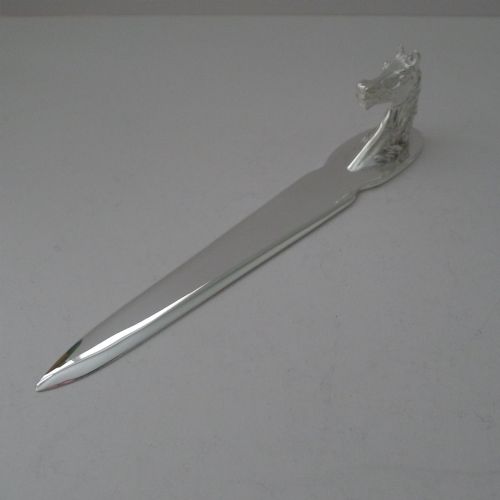
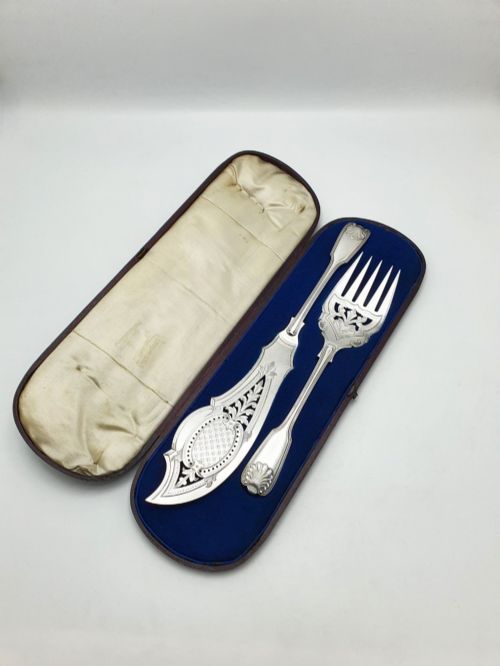
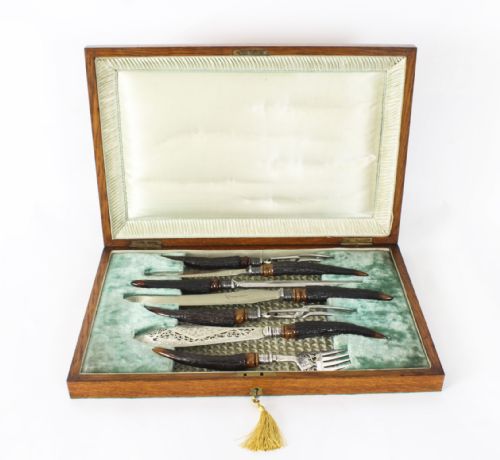
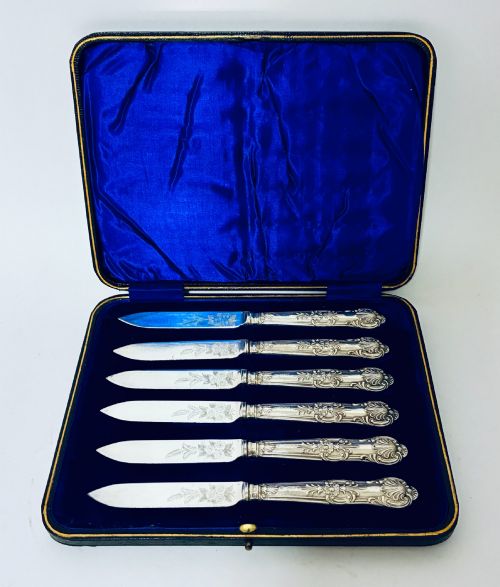
Buyers encountering silver plated knives will find specialised forms alongside standard table cutlery. Fish servers, carving sets, knife rests, and letter openers appear frequently among the pieces recorded on this page.
Victorian and Edwardian examples dominate the selection, often combining silver plate with organic materials. These pieces reflect formal dining customs where specific cutlery was assigned to fish, fruit, cheese, and dessert.
Materials and construction
Makers utilised base metals coated in a layer of silver, sometimes employing Old Sheffield Plate techniques alongside electroplating. Steel blades frequently paired with silver plated ferrules and handles.
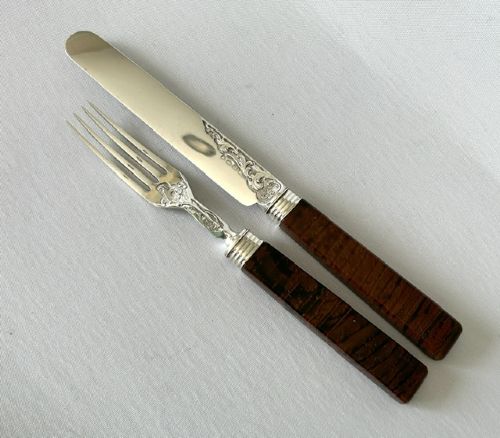
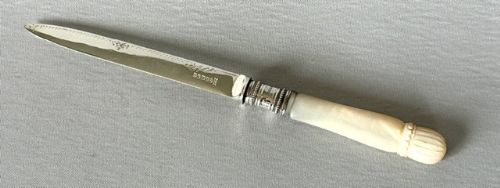
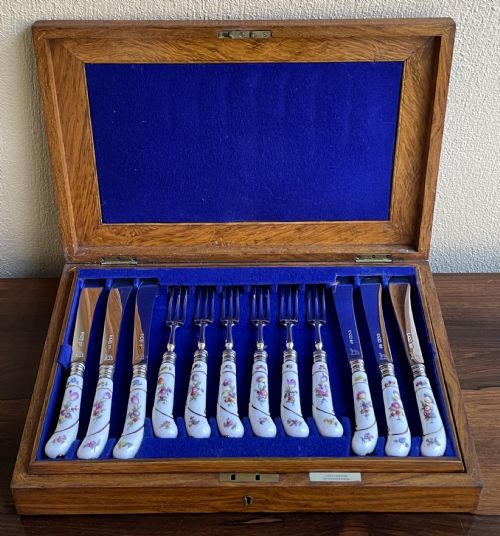
Handles display considerable variety, incorporating mother-of-pearl, agate, antler horn, wood, and porcelain. These natural and ceramic elements attach to the metal components using pins, collars, and silver mounts.
Silver Plated Knives Retail Price Guide 2026
Typical asking prices for silver plated knives among the pieces listed under this phrase on Sellingantiques today, from the lower quarter to the upper quarter. They describe what is for sale here now, not the wider market.
Design styles span Victorian, Edwardian, Art Deco, Egyptian Revival, Regency, and Traditional periods.
Distinctions in quality
Quality rests upon the thickness of the silver plating and the preservation of the underlying metal. Heavy gauge silver plate sustains engraving and handling better over decades of use.
The integrity of handle materials dictates overall desirability. Intact mother-of-pearl, unspotted porcelain, and securely fitted antler horn separate superior pieces from those showing heavy wear.
Creswick·Walker Knowles·Carrington·Asprey and Co·Waring and Gillows
The Silver Plated Knives Glossary
- Old Sheffield Plate
- A method of fusing a thin sheet of silver to a thicker copper core by heat and pressure. This technique precedes standard electroplating and appears on older trays and serving pieces.
- Knife Rests
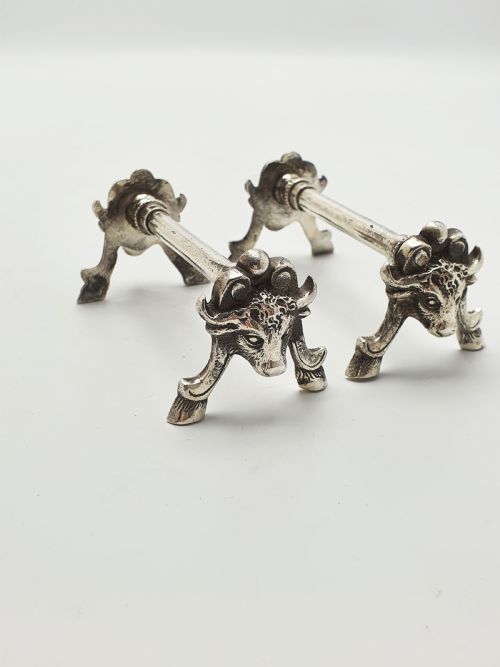
- Small supports placed upon the table to keep carving or dining knives elevated between courses. Pairs often feature cast figural ends such as sphinxes, bulls' heads, or rampant lions.
- Fish Server
- A wide, flat blade designed for portioning fish at the table, commonly accompanied by a matching fork. Engraved ornamentation often depicts aquatic or natural motifs.
- Mother-of-Pearl
- The iridescent inner layer of mollusc shells utilised for knife handles. It provides a smooth, lustrous grip that contrasts with metal blades.
Silver Plated Knives: Frequently Asked Questions
How do I clean silver plated cutlery?
Clean silver plated items with a soft cloth and a gentle, non-abrasive polish specifically formulated for silver plate. Avoid harsh scrubbing to preserve the thin outer layer of silver.
Store pieces in dry conditions, ideally within lined boxes or oak canteens, to minimise tarnishing and scratching from other utensils.
Can I use antique cutlery daily?
Antique silver plated knives can serve daily dining needs if handled with appropriate care. Hand washing is essential, as modern dishwashers use abrasive detergents that damage plating and natural handles.
Avoid soaking items with organic handles such as horn or mother-of-pearl in hot water for extended periods.
What is the difference between Old Sheffield Plate and silver plate?
Old Sheffield Plate involves fusing silver to a copper base mechanically through heat and rolling. This process creates a distinct layered structure visible on edges.
Standard silver plate utilises an electrochemical process to deposit silver over a base metal substrate, which became widespread during the Victorian era.
How do I date a set of silver plated knives?
Dating relies on stylistic clues, manufacturing marks, and accompanying presentation cases. Victorian and Edwardian pieces often display specific aesthetic traits such as Egyptian Revival motifs or Art Deco geometry.
Sheffield hallmarks and maker stamps provide further chronological markers for pieces produced in regulated workshops.