

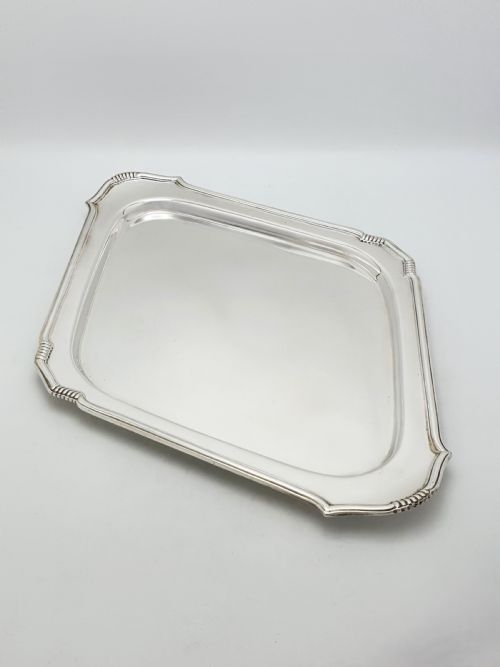
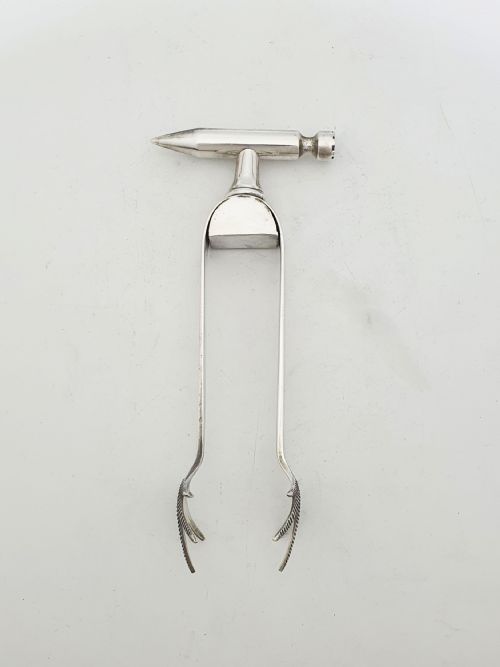
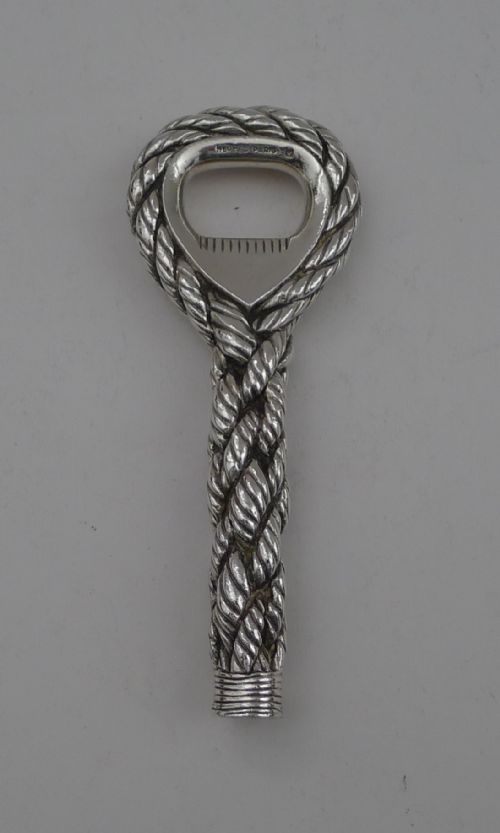
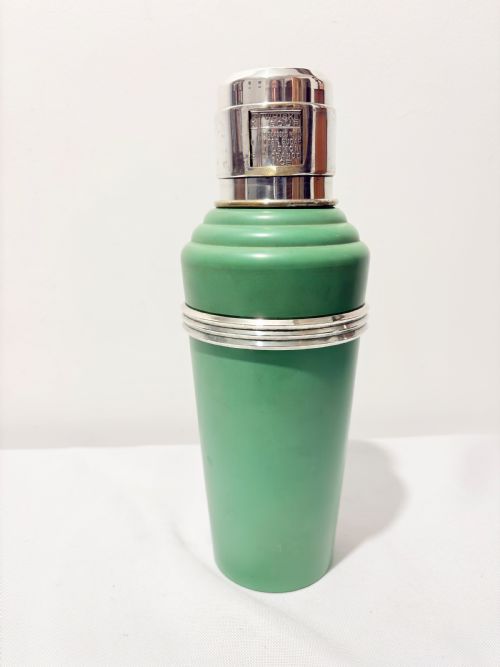


Silver Plated Barware Accessory
When you handle a silver plated barware accessory, you hold an essential piece of entertaining history that brings period elegance to the modern drinks trolley.
Silver Plated Barware Accessory
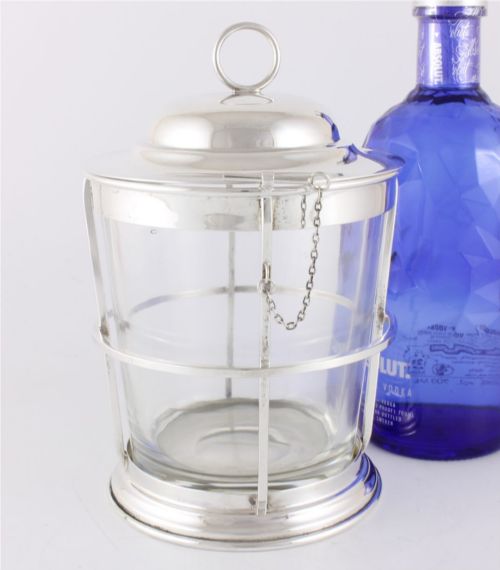
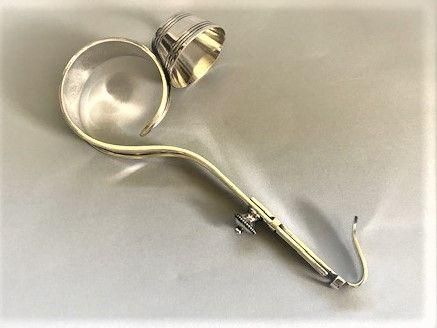
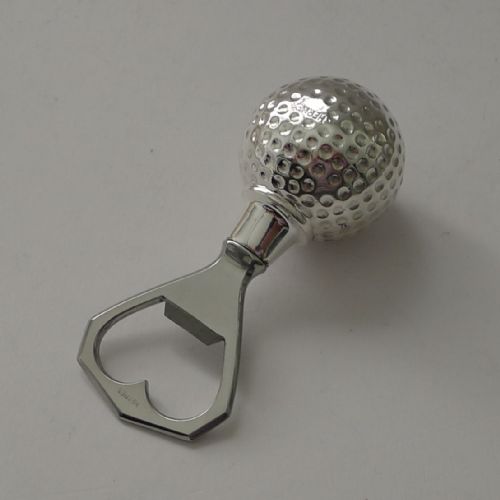
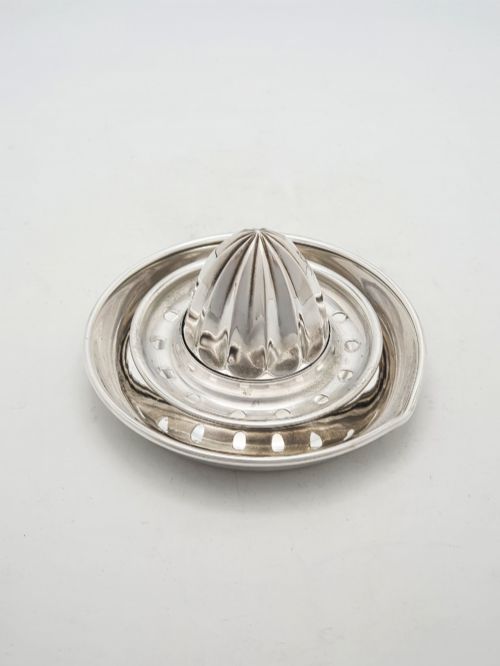
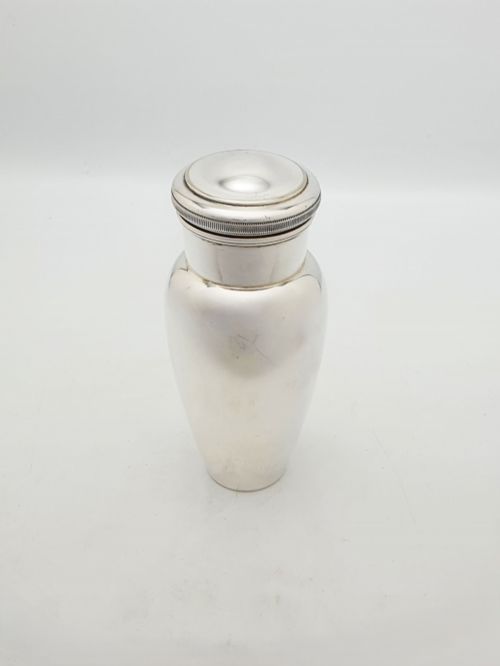
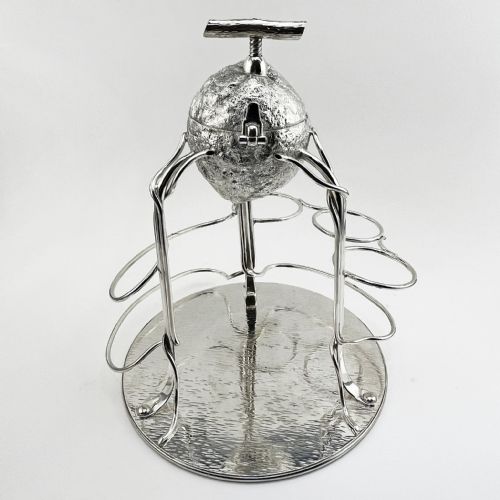
A silver plated barware accessory encompasses practical drinking equipment designed to mix, serve, and chill beverages during social gatherings. Items span from cocktail shakers and ice buckets to bottle openers, lemon squeezers, and wine coasters.
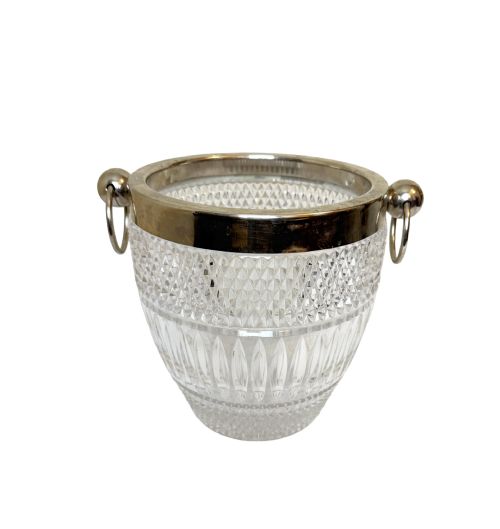
Most examples found in this selection date from the Edwardian era through the Art Deco period and into the mid-century decades. Cocktail shakers dominate the offerings, often appearing alongside cut glass ice pails and specialised bottle holders.
Origin points range from British makers and French houses to Italian workshops and Swiss studios. Buyers encounter various utilitarian forms, including bachelor shakers, spirit flasks, and multi-bottle drink coasters.
Materials and construction methods
Makers utilised base metals coated with a layer of silver, frequently employing electroplated nickel silver as a durable foundation for items subjected to frequent handling. Glass and cut crystal bodies appear regularly in ice buckets and shakers, providing a transparent contrast to the metallic sheen.
Bakelite accents surface on handles, lids, and bar sets, introducing contrasting dark tones typical of the interwar period. Brass elements and ceramic creamware liners also support the construction of insulated cooling vessels.
Techniques combined metal spinning, plating, and glass cutting to produce functional serving pieces. Details like integral strainers, engraved recipes, and mechanical ice breakers required precise metalworking skills.
Materials recorded across the selection include silver plate, electroplated nickel silver, cut crystal, brass, and Bakelite.
Factors of distinction
The standing of a piece depends heavily on the execution of its design and the reputation of the workshop or designer behind it. Attributed works by notable makers display crisper casting, heavier gauge metal, and more deliberate balance in the hand.
Material combinations influence the overall grade, with thick cut crystal liners and sturdy Bakelite fittings outlasting lighter, purely utilitarian constructions. The preservation of the silver layer and the clarity of any engraved ornamentation further separate standard production items from superior examples.
PH Vogel·Hermes Paris·Hukin and Heath·Brook and Son·James Dixon and Sons·Keith Murray·Lino Sabattini·Christofle·William Suckling·Angelletti Rome·Asprey London
The Silver Plated Barware Accessory Glossary
- Electroplated Nickel Silver
- A copper, nickel, and zinc alloy coated with a layer of pure silver through an electrolytic process. This material provided a strong, corrosion-resistant base for domestic metalware.
- Bachelor Shaker
- A smaller version of the standard cocktail shaker intended for mixing single portions or small quantities of drinks. These compact vessels were popular in domestic settings from the 1920s onward.
- Cut Crystal
- High-clarity glass shaped by deep cutting and polishing wheels to create light-refracting geometric patterns. It was frequently paired with silver plate in ice buckets and glassware.
- Bakelite
- An early synthetic phenol-formaldehyde resin valued for its durability and heat resistance. Makers utilised it for insulating handles and decorative knobs on mid-century bar items.
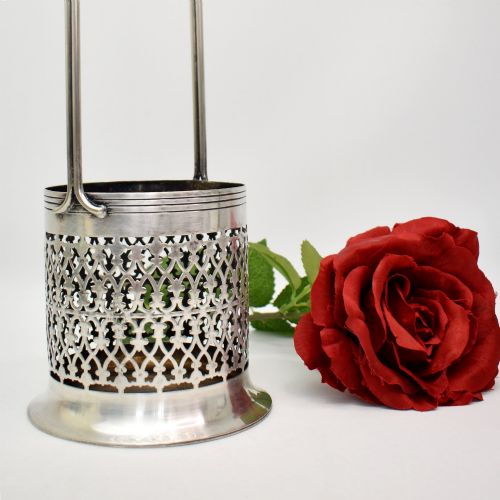
- Wine Coaster
- A small wheeled or stationary tray designed to hold a wine bottle and protect table surfaces from condensation and drips. They often feature turned wooden bases or pierced silver-plated galleries.
Silver Plated Barware Accessory: Frequently Asked Questions
How do I clean silver plated barware?
Wash pieces gently in warm soapy water using a soft cloth to protect the plated surface from abrasive wear.
Dry thoroughly immediately afterwards to prevent water spots and avoid harsh chemical dips that strip the underlying plating.
Can I use these vintage items for mixing drinks?
Most items remain structurally sound for modern use, provided the interior linings and moving parts function correctly.
Check that glass liners are secure and metal components fit tightly before preparing beverages.
How do I identify Art Deco barware?
Look for geometric motifs, streamlined silhouettes, and contrasting materials like Bakelite paired with gleaming silver plate.
These pieces typically date from the 1920s and 1930s, prioritizing both functional efficiency and bold visual symmetry.
What is a bachelor cocktail shaker?
A bachelor shaker is a scaled-down mixing vessel designed to prepare one or two drinks rather than a large round.
They often incorporate built-in strainers and compact proportions suited to smaller gatherings.