




Silver Plate Serving Dish
When you search for a silver plate serving dish, you are looking for tableware designed to bring presence to the dining table through metalwork.
Silver Plate Serving Dish
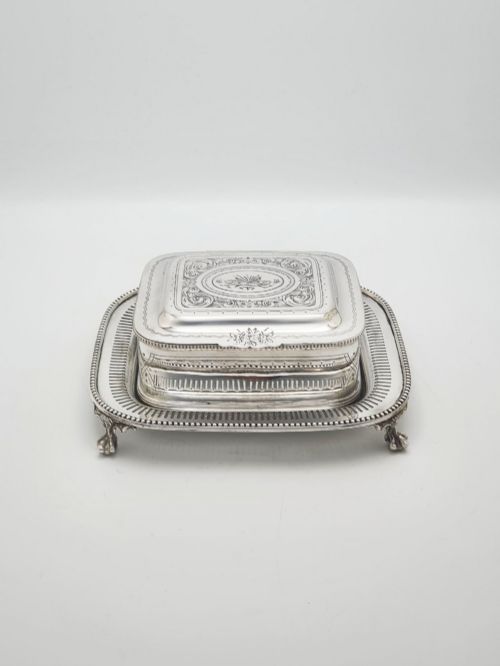
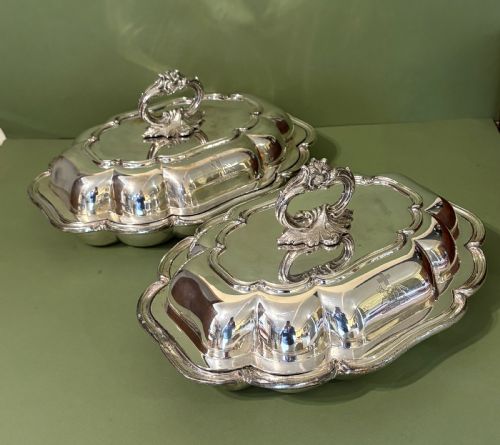
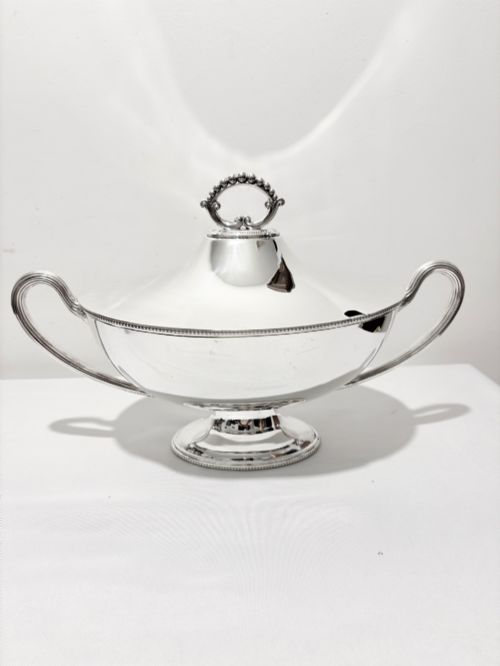
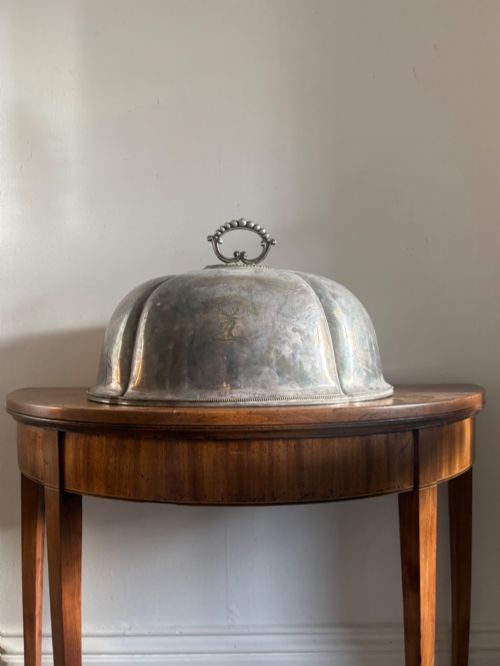
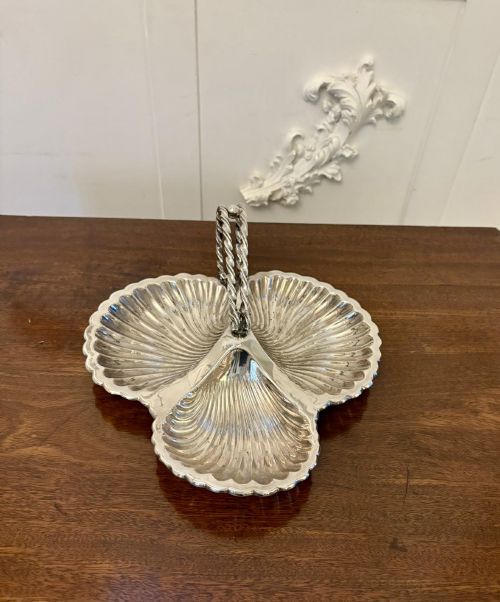
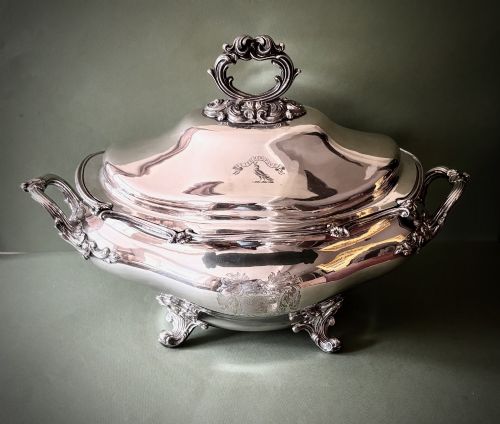
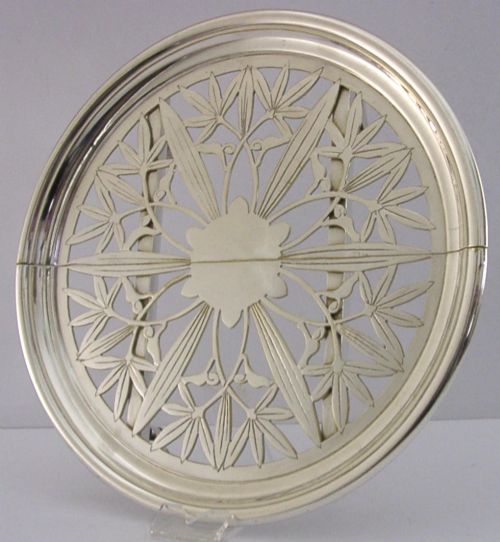
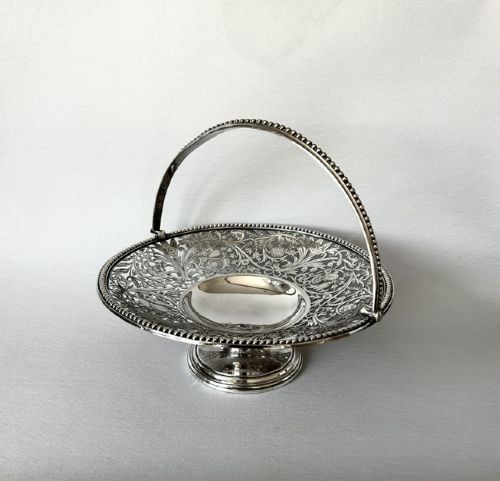
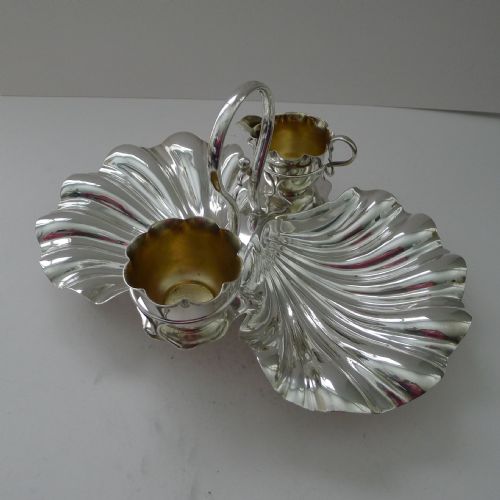
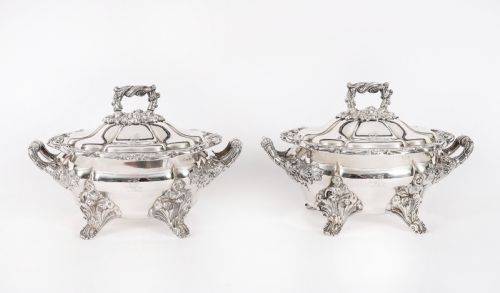
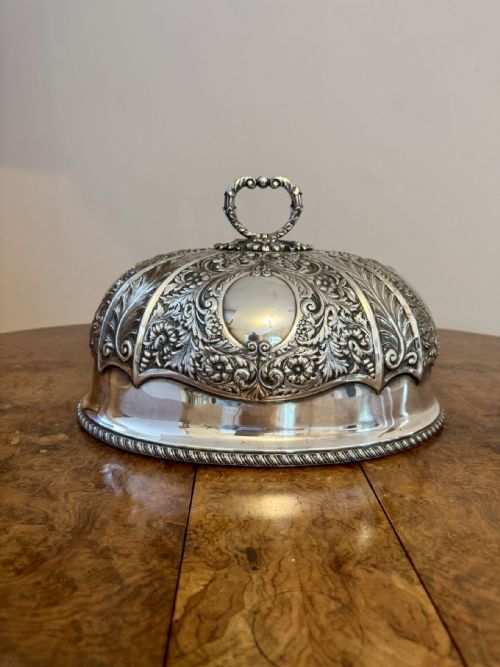
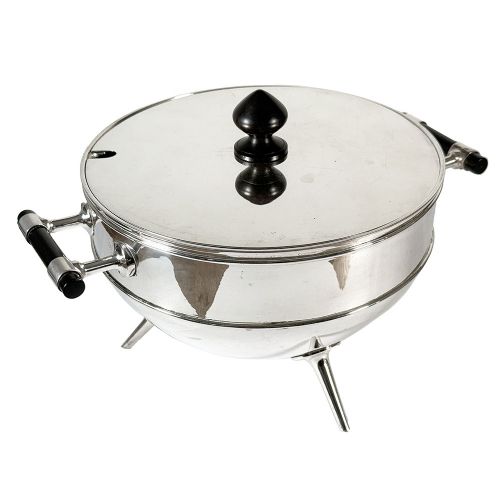
A silver plate serving dish encompasses utilitarian table pieces such as entrée dishes, tureens, meat covers, trays, and baskets designed for formal dining across the nineteenth and early twentieth centuries. The selection leans heavily towards Edwardian and Victorian examples alongside earlier Old Sheffield Plate pieces.
Forms range from lidded rectangular entree dishes on original stands to open fruit bowls, cloches, and specialised vessels for strawberries, asparagus, or bread. These items reflect the shifting dining habits of Georgian, Regency, Victorian, Edwardian, and Art Deco periods.
Materials and Technique
Early pieces utilise Old Sheffield Plate, a method fusing a thin sheet of silver onto a copper core, often revealing the base copper along high points and edges. Later items rely on electroplated nickel silver, commonly abbreviated as EPNS, which applies a silver coating via an electrical current.
Manufacture involves beating, stamping, or casting base metals like nickel silver, copper, or pewter before plating, supplemented by applied borders, cast handles, and hand-engraved floral or geometric decoration.
Silver Plate Serving Dish Retail Price Guide 2026
Typical asking prices for silver plate serving dish among the pieces listed under this phrase on Sellingantiques today, from the lower quarter to the upper quarter. They describe what is for sale here now, not the wider market.
Listings feature materials spanning traditional copper, pewter, Old Sheffield Plate, and electroplated nickel silver.
Distinctions in Quality
The weight of the base metal and the thickness of the applied silver layer dictate durability and longevity. Thicker plating resists wearing through to the underlying copper or nickel silver during decades of polishing and use.
Design integrity and maker attribution separate standard production wares from superior pieces. Crispness in cast handles, balanced proportions, and fine detailing in engraved or pierced ornamentation mark the work of notable workshops.
Mappin & Webb·Christopher Dresser·Hukin & Heath·Elkington·Henry Wilkinson·Creswick·Walker & Hall·Matthew Boulton·Daniel Arter·Hamilton & Inches·Tiffany & Co·Roberts and Belk·Daniel and Arter
The Silver Plate Serving Dish Glossary
- Old Sheffield Plate
- An early composite material made by fusing a thin layer of silver to a thick copper ingot before rolling them into sheets. This technique predates electroplating and is identified by visible copper seams.
- EPNS
- An abbreviation for electroplated nickel silver, denoting a base metal alloy of copper, nickel, and zinc coated in silver through an electrolytic process. It became the standard manufacturing method in the mid-nineteenth century.
- Entree dish
- A lidded serving vessel, frequently rectangular or oval, used for presenting main courses or side dishes at the table. Many include reversible lids that function as secondary shallow dishes.
- Tureen
- A deep, large bowl with a fitted lid used for serving soups, stews, or sauces. They often feature cast handles and rest on matching stands or bases.
- Cloche
- A domed cover placed over food on a serving platter to retain heat and presentation until unmasked at the table. They are typically fashioned in silver plate or Old Sheffield Plate.
Silver Plate Serving Dish: Frequently Asked Questions
What is Old Sheffield Plate?
Old Sheffield Plate is an early composite material created by fusing silver to a copper core before shaping. It results in a distinct appearance where the copper underneath eventually shows through high points.
Items made this way date primarily from the late eighteenth and early nineteenth centuries, preceding the invention of electroplating.
How do I clean silver plate?
Silver plate requires gentle cleaning with non-abrasive polishes formulated specifically for plated wares. Harsh scrubbing can wear through the thin silver layer and expose the base metal underneath.
Regular, light wiping preserves the finish better than infrequent, aggressive cleaning sessions.
Can I use these dishes daily?
These serving dishes function well for modern dining, provided they are hand-washed promptly after use. Avoid putting plated items in modern dishwashers, which use harsh detergents that damage old surfaces.
Careful handling ensures that delicate engraving and thin plating survive everyday domestic service.
How do I date a piece?
Dating relies on maker marks, style markers, and the underlying manufacturing technique. Old Sheffield Plate points to the Georgian or Regency eras, while EPNS suggests Victorian or Edwardian production.
Registered design numbers and manufacturer stamps often provide a precise decade of manufacture.