




Silver Plate Bar Accessories
Silver plate bar accessories bring functional elegance to entertaining, combining durable metalwork with the practicality needed for mixing drinks.
Silver Plate Bar Accessories
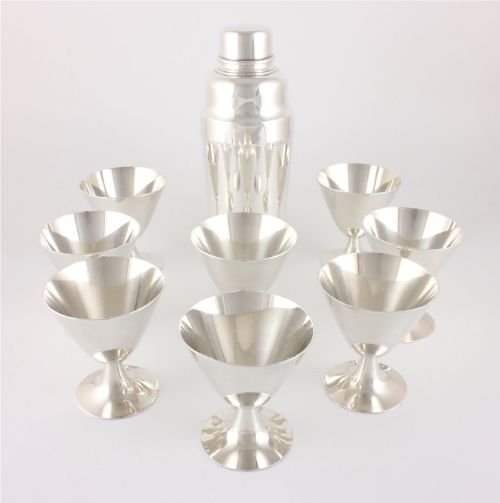
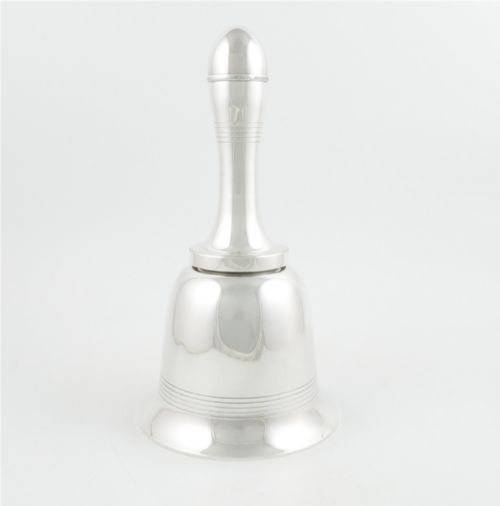
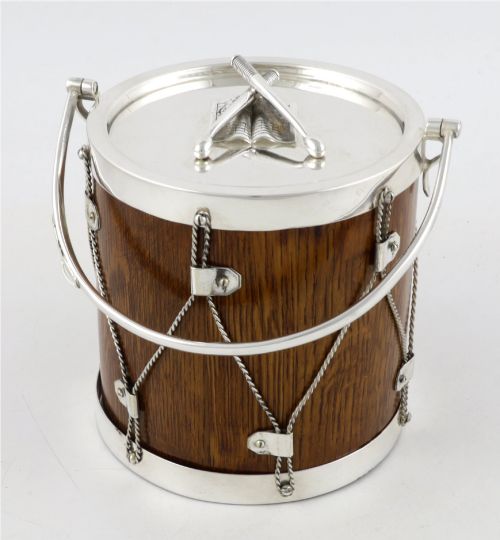
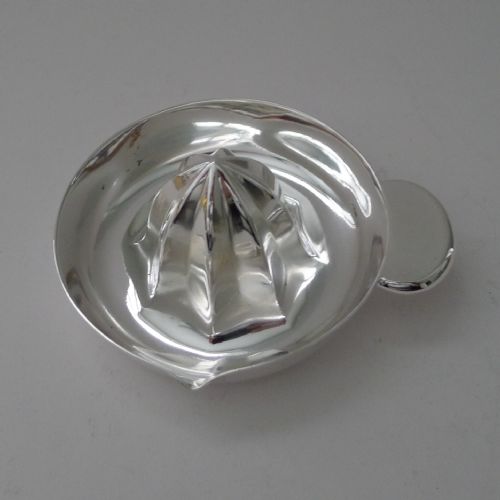
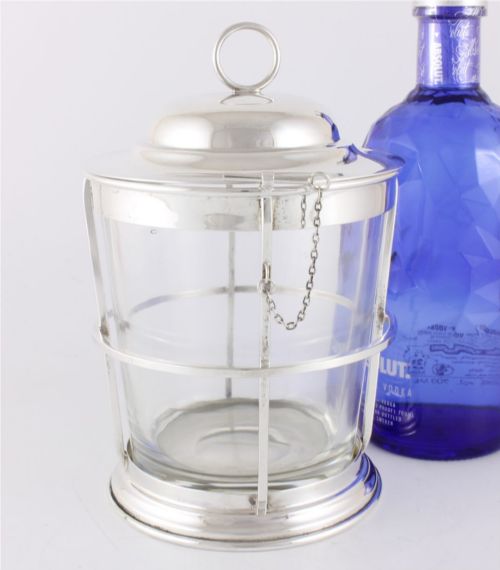
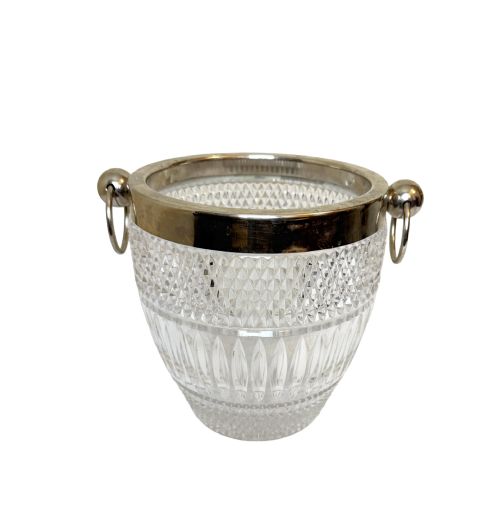
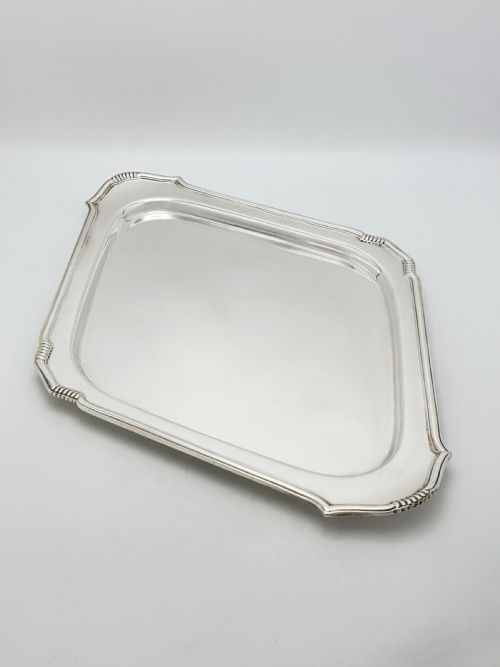
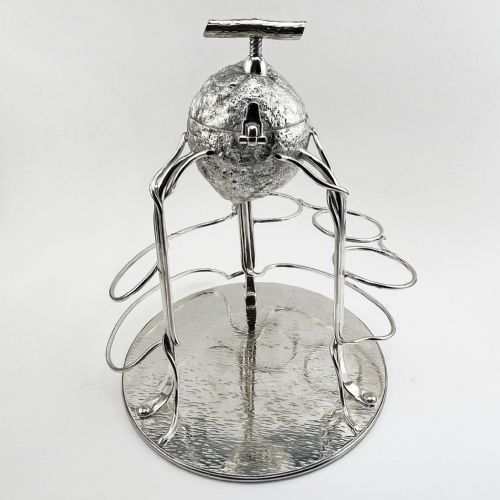
Silver plate bar accessories encompass a variety of items designed for hosting and serving beverages, including cocktail shakers, ice buckets, wine coasters, and citrus squeezers. When exploring silver plate bar accessories, a buyer encounters pieces primarily spanning from the Victorian era through the mid-twentieth century.
Materials and Construction
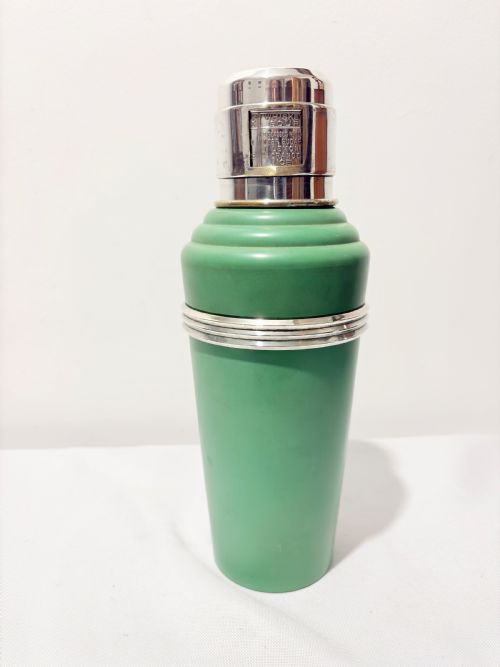
These objects are built primarily from silver plate, electroplated nickel silver, or Old Sheffield plate, applied over base metals. Manufacturers frequently combined these metallic elements with cut glass, insulating cork, and coloured Bakelite for handles and accents.
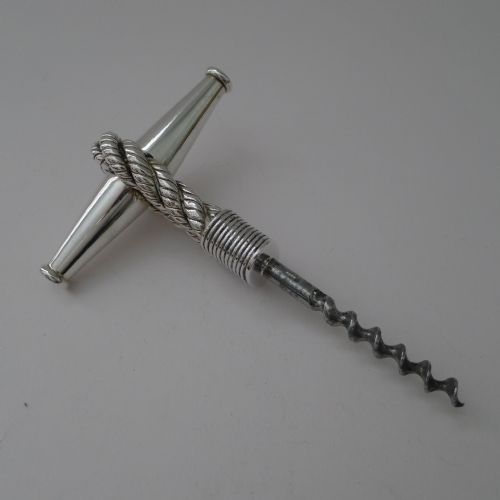
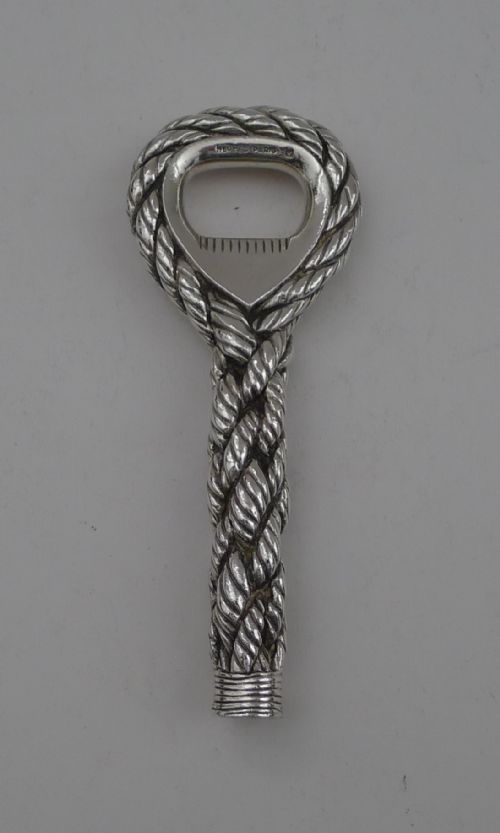
Craftsmen shaped the metal through spinning, stamping, and casting, then applied meticulous plating to achieve a uniform metallic lustre. Details such as cut crystal bodies and cordage details demonstrate the integration of mixed media in utilitarian design.
Silver Plate Bar Accessories Retail Price Guide 2026
Typical asking prices for silver plate bar accessories among the pieces listed under this phrase on Sellingantiques today, from the lower quarter to the upper quarter. They describe what is for sale here now, not the wider market.
Several cocktail shakers feature built-in rolling recipe bands so hosts could consult mixed drink formulas directly on the vessel.
Distinguishing Quality in Design
Quality in these pieces is dictated by the crispness of the manufacturing execution and the reputation of the maker. Well-executed pieces show precise geometric lines in Art Deco items and substantial weight in the metal plating.
Design sophistication also separates standard items from superior examples, particularly where functional mechanisms like integral squeezers or recipe bands operate smoothly and fit tightly within the assembly.
Hukin Heath·Asprey·Christofle·James Dixon Sons·William Suckling·Lino Sabattini
The Silver Plate Bar Accessories Glossary
- Electroplated nickel silver
- A base metal alloy of copper, nickel, and zinc coated with a layer of pure silver through an electrolytic process. This method became standard for producing durable tableware.
- Old Sheffield plate
- An early method of fusing a thin sheet of silver to a thicker copper base before shaping the metal. This technique produces a distinctive warmth in the metal surface.
- Cocktail shaker
- A vessel used to mix drinks by shaking with ice, frequently configured with built-in strainers and removable caps. Twentieth-century examples often incorporate internal juicing attachments.
- Decanter coaster
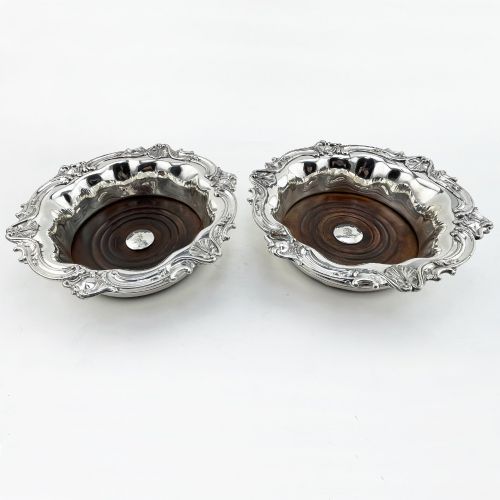
- A small shallow tray, sometimes fitted with a wooden base, designed to protect table surfaces from condensation and drips. They frequently feature decorative pierced or cast rims.
- Bakelite
- An early synthetic phenol-formaldehyde resin utilised for heat-resistant handles and decorative accents on mid-century barware. Its deep colour adds contrast to the silver surface.
Silver Plate Bar Accessories: Frequently Asked Questions
How do I clean silver plate bar items?
Use a mild, non-abrasive silver polish and a soft cloth to maintain the shine without wearing through the thin silver layer. Avoid harsh chemical dips that can damage integrated materials like Bakelite or cork.
Rinse the pieces thoroughly in warm water and dry them immediately with a lint-free cloth to prevent water spots from forming on the polished surface.
Can I still use these cocktail shakers?
Most vintage silver plate shakers remain fully functional for mixing beverages today. Ensure that internal seals, corks, and strainers are clean and secure before use.
Hand wash only after use to protect the historical plating and non-metal components from the harsh detergents found in modern automatic dishwashers.
What defines Art Deco barware?
Art Deco barware relies on clean geometric lines, stylised motifs, and streamlined forms that reflect the modern industrial aesthetics of the 1920s and 1930s. Designers often incorporated contrasting materials like green Bakelite and cut glass.
These pieces typically favour function combined with sleek visual drama, making them distinct from the more ornate Victorian styles that preceded them.
How do I date a silver plate accessory?
Dating relies on stylistic clues, manufacturer marks stamped into the metal, and the combination of materials used in the construction. Art Deco geometry points directly to the interwar decades, while Victorian pieces show heavier ornamentation.
Maker stamps and registry numbers can often be cross-referenced with historical records to narrow down the decade of production.