


Silver Pierced Bottle Coaster
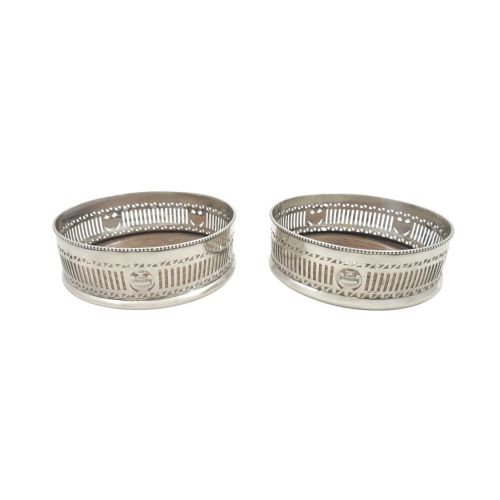
Silver pierced bottle coaster examples are refined dining accessories designed to protect the table while holding wine bottles, combining openwork metal with turned wood bases.
Silver Pierced Bottle Coaster
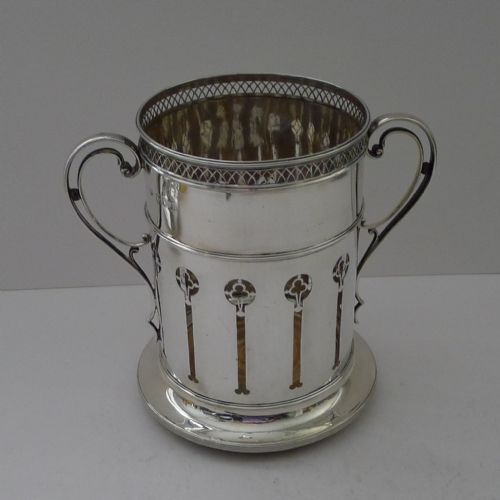
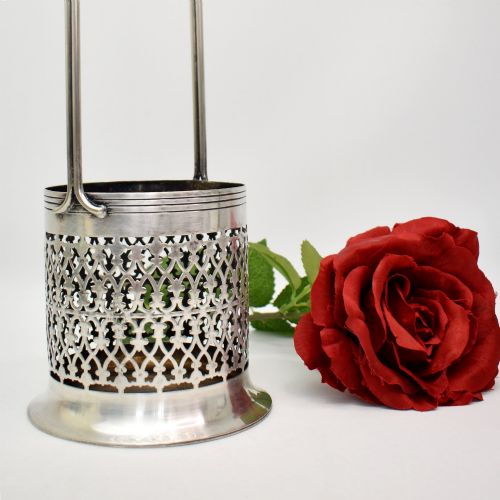
When you search for a silver pierced bottle coaster, you encounter dining table accessories spanning from the Georgian period through the Edwardian era and into the twentieth century. These pieces primarily function as wine coasters, bottle holders, and drinks rests, occasionally appearing in larger formats for multiple bottles or as desk accessories.
The version you are most likely to meet on this page is a circular silver-plated or sterling silver ring featuring openwork decoration, frequently paired with a turned mahogany or other wooden base. Such items originate from traditional English workshops and makers, reflecting periods from George III and the Regency through to Victorian and George V designs.
Quality factors in construction and design
The distinction between standard examples and superior pieces rests on the crispness of the pierced metalwork and the weight of the silver or plating. Finer items exhibit intricate, cleanly punched apertures and well-defined decorative motifs without distortion along the rim.
The quality of the turned wooden base and how closely it integrates with the metal gallery also differentiate the range. Superior examples maintain secure joints, clear hallmarks or maker stamps where applicable, and retain their original felt undersides without excessive wear.
Some multi-bottle carriers doubling as tabletop planters ensure your dining table can transition from vintage claret service to indoor gardening without missing a beat.
Brook and Son Edinburgh·D and J Welby·William Comyns·Asprey
The Silver Pierced Bottle Coaster Glossary
- Pierced
- Metalwork punctured with decorative patterns or openwork designs to lighten the visual weight of the gallery. This technique defines the visual style of the pieces.
- Old Sheffield Plate
- A method of fusing a thin sheet of silver to a thicker copper ingot before rolling and shaping. This technique appears on eighteenth and early nineteenth-century items.
- Turned wood
- Timber shaped on a lathe to form the flat circular base fitted inside the metal rim. Mahogany is frequently used for this purpose.
- Wine coaster
- A small portable stand designed to hold a bottle on the dining table and protect linens from condensation rings. They were often passed along the table after dinner.
Silver Pierced Bottle Coaster: Frequently Asked Questions
What are silver pierced bottle coasters?
These items are traditional dining table accessories designed to hold wine bottles and decanters securely while protecting polished wood surfaces from moisture.
They combine a decorative metal wall with a fitted wooden base, allowing them to be slid easily across the table.
How were bottle coasters used historically?
During formal dinners, hosts used them to circulate wine bottles around the table after the servants withdrew from the room.
The low profile and smooth wooden bases allowed the holders to glide smoothly from guest to guest.
How do I identify the period of a coaster?
Dating relies on stylistic clues such as the presence of Old Sheffield plate for earlier pieces versus electroplate for later ones, alongside hallmarks on sterling silver.
Design motifs also offer guidance, moving from Georgian simplicity to ornate Victorian and Edwardian pierced patterns.
How should I care for wooden and silver coasters?
Maintenance involves gentle cleaning of the metal surfaces with appropriate silver polish while avoiding moisture contact with the wooden base and felt lining.
Storing them in stable humidity conditions prevents the wood from warping within the metal gallery.