





Silver Picture Stand
A silver picture stand holds cherished portraits securely while adding bright metallic elegance to any desktop or mantelpiece.
Silver Picture Stand
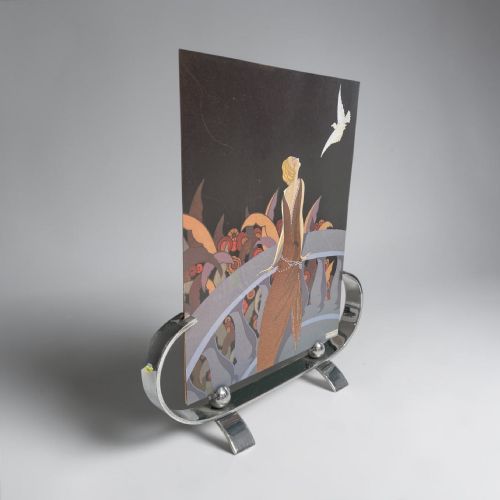
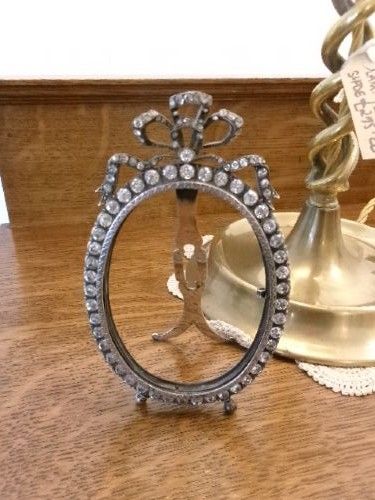
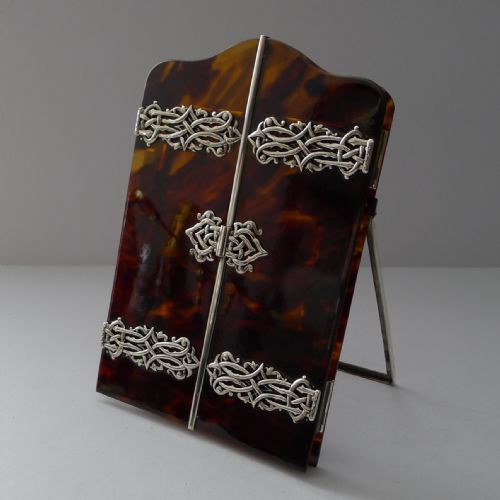
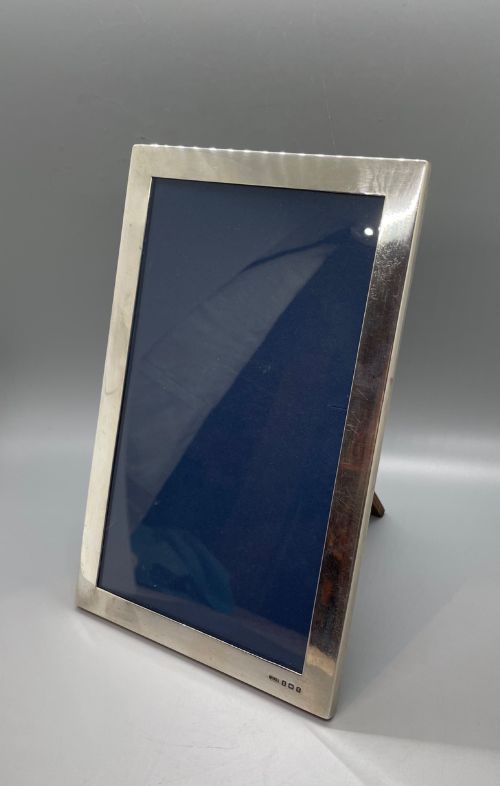
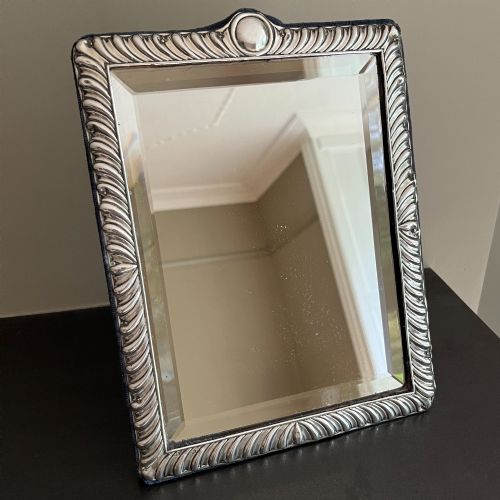
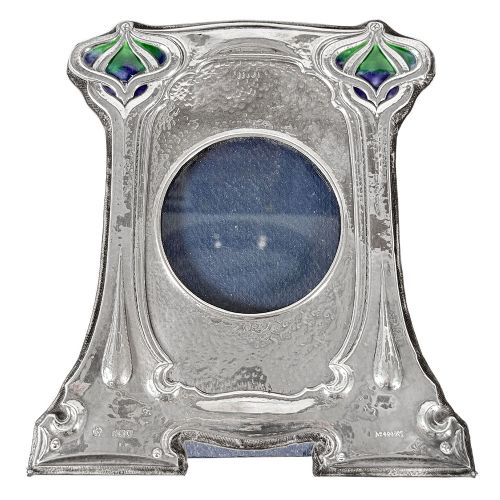
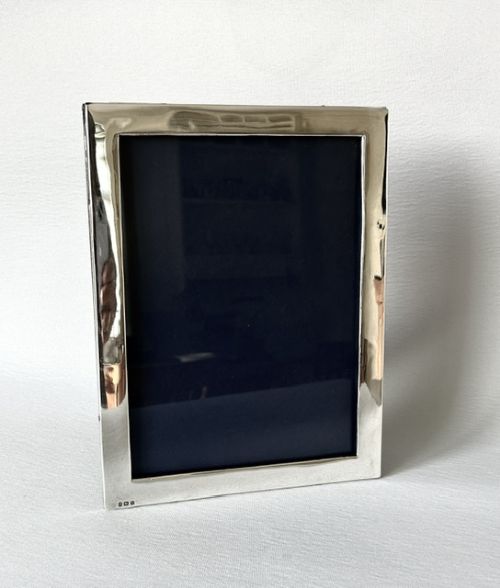
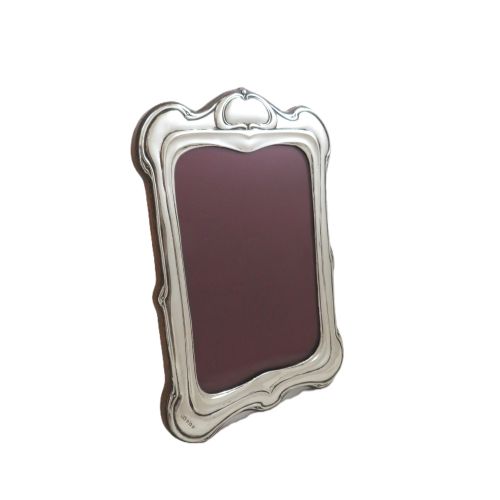
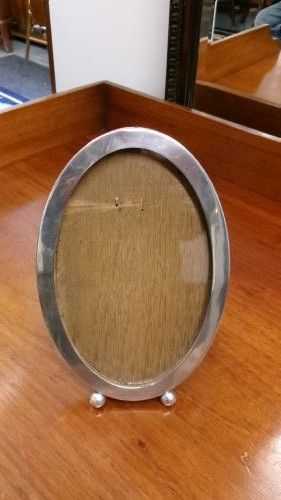
A silver picture stand serves primarily as a tabletop photograph frame or display mirror supported by an easel back. When collectors search for a silver picture stand, they encounter forms ranging from compact Victorian rounds to exceptionally large Edwardian and Art Deco rectangles.
The objects take many shapes, including oval, heart, landscape, and portrait orientations. Most examples function as photograph frames, though table mirrors and novelty miniature furniture pieces also appear.
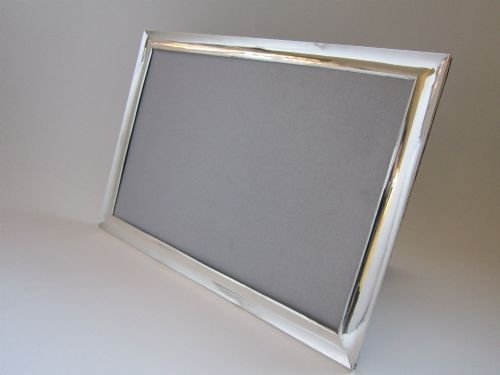
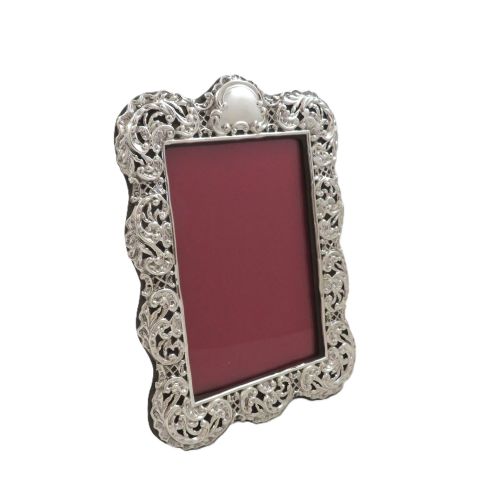
Originating predominantly from British workshops alongside mid-century Italian output, these stands span the Victorian, Edwardian, and Art Deco eras. Simpler plain borders share the market with heavily embossed floral designs and modernist geometric chrome creations.
How they were made
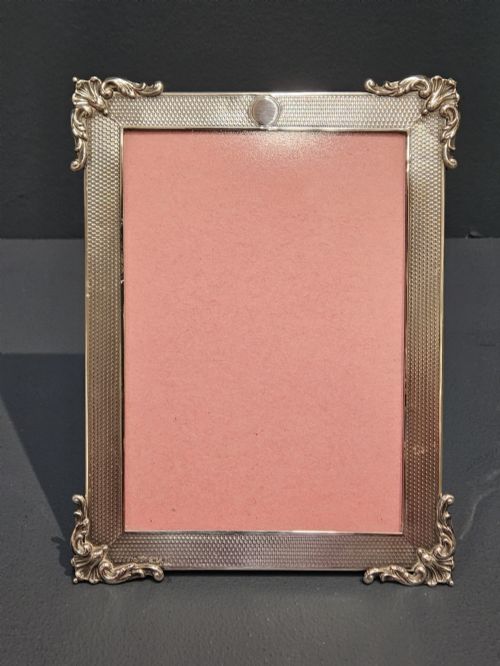
Makers constructed the primary facades from sterling silver, 800 silver, or nickel-plated chrome, often embossing, engine-turning, or applying enamel directly to the metal. Tortoiseshell inserts and glass panels also feature prominently across Victorian and Edwardian items.
The structural support relies on backing materials such as wood, oak, velvet, fabric, and black leather attached to a folding easel stand. These backing boards are secured with pins or swing clips to hold the portrait firmly against the glass.
Silver Picture Stand Retail Price Guide 2026
Typical asking prices for silver picture stand among the pieces listed under this phrase on Sellingantiques today, from the lower quarter to the upper quarter. They describe what is for sale here now, not the wider market.
One miniature silver stand doubles as a tiny George III pole screen.
What varies in quality
The distinction between ordinary and superior pieces rests on the weight of the metal and the depth of the ornamentation. Heavier gauge sterling silver and crisply hand-embossed floral borders indicate finer workshop production.
Integrity of the original backing structure and glass also determines the standing of a piece. Original wooden or leather backs paired with intact easel mechanisms elevate the overall character of the frame.
William Hutton and Sons·Syner and Beddoes·Pinci Roma·William Comyns
The Silver Picture Stand Glossary
- Sterling silver
- A silver alloy containing 92.5 percent pure silver by mass and 7.5 percent other metals, usually copper. This standard composition provides the durability required for intricate embossed picture frames.
- Engine-turned
- A decorative technique involving precise geometric patterns mechanically etched into a metal surface. This process creates repetitive linear textures across the face of the frame.
- Easel back
- A hinged leg attached to the rear of the frame allowing it to stand upright on a flat surface. These supports are typically covered in velvet, leather, or wood.
- Art Nouveau
- A stylistic movement characterised by flowing, organic lines and floral motifs popular around the turn of the twentieth century. Frames from this period often display sinuous plant stems and asymmetrical borders.
Silver Picture Stand: Frequently Asked Questions
How do I date a silver picture stand?
Dating relies heavily on hallmarks stamped into the silver, which indicate the assay office, year letter, and standard of metal. Stylistic clues such as floral embossing or geometric chrome lines also point towards specific decades like the Edwardian period or the nineteen-thirties.
Examining the back and the fasteners offers further chronological context. Older Victorian and Edwardian frames typically utilise wooden or leather boards secured with turn-buttons, whereas later mid-century pieces adopt different assembly methods.
Were these always meant for photographs?
While photographs represent the primary use, many early examples accommodated painted miniatures or personal mementos before photographic paper became standard. Table mirrors and novelty items also share the same overarching structural format.
The inclusion of glass fronts and easel backs made them versatile display objects for desks and dressing tables. Over time, portrait orientations adapted to suit changing photographic formats and household display habits.
What backs did original frames have?
Original backing materials commonly include oak, wood, velvet, fabric, and black leather. These boards supported the photograph and incorporated the hinged easel stand necessary for tabletop display.
Finding a frame with its original backing intact is a significant advantage for collectors. Replacements are common, so original materials help preserve the historical integrity of the piece.
Can I polish the silver frame safely?
Cleaning requires a soft cloth and a gentle silver polish formulated to remove tarnish without abrading the metal surface. Care must be taken around embossed details, enamel work, and inset materials like tortoiseshell or glass.
Harsh chemical dips should be avoided, particularly on antique pieces with delicate mounted elements. Regular light maintenance keeps the metal bright without wearing down the hallmarks or surface engraving.