



Silver Pearl Pendant
These silver pearl pendant pieces span Victorian, Edwardian, and Art Deco designs, offering finely worked silver settings combined with luminous pearls.
Silver Pearl Pendant
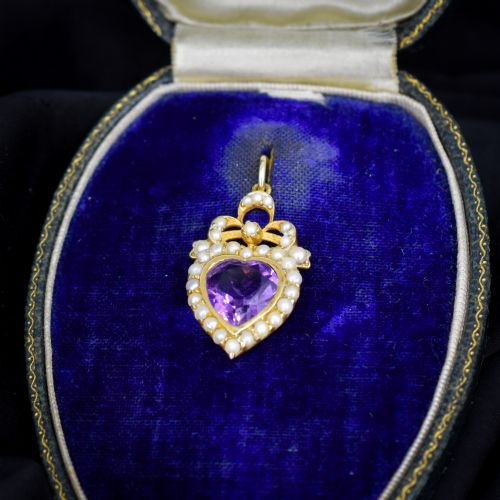
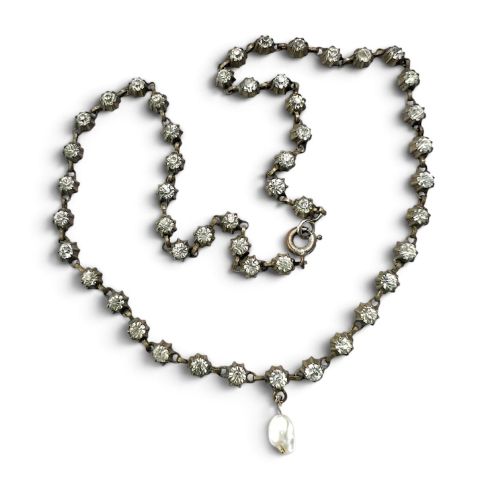
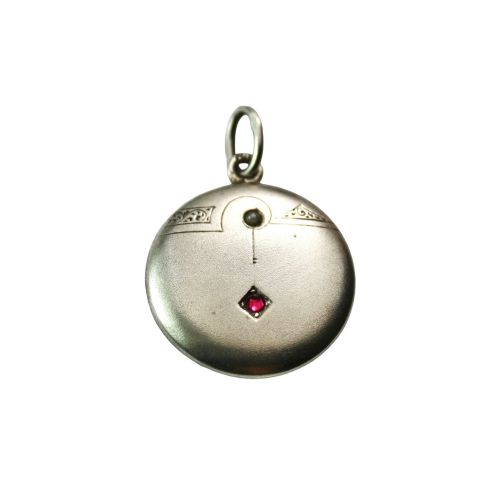
When you search for a silver pearl pendant, you are looking at items that range from Victorian and 19th-century lockets to 1880 pieces, Edwardian examples, and 1920 Art Deco designs. The forms encompass pendants, pendant necklaces, lockets, and convertible brooch-pendants.
The styles recorded across the archive and current listings include Victorian, Neo-Renaissance, Art Nouveau, Arts and Crafts, Glasgow School style, and Art Deco. You are most likely to meet silver settings paired with pearls alongside enamel, seed pearls, moonstones, turquoise, or gemstones.
Materials and construction
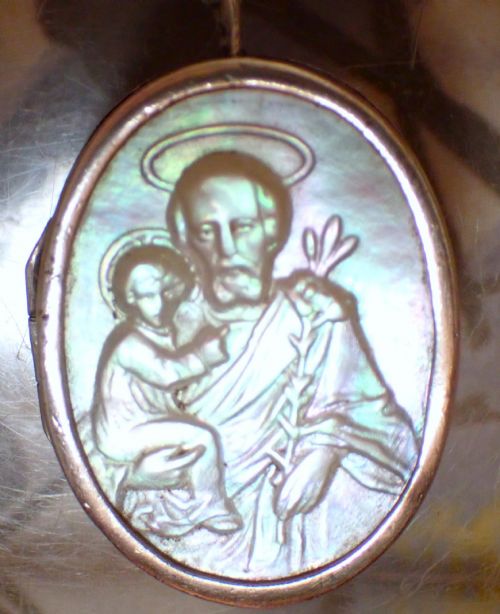
The pieces are constructed using silver as the primary metal, paired with pearls, cultured pearls, seed pearls, and baroque pearls. Secondary elements include landscape enamel, black enamel, moonstones, turquoise matrix, garnet, emerald paste, marcasite, malachite, and mother of pearl.
Techniques visible in the evidence combine metalwork settings with decorative enamel work and stone setting. Makers utilise these mixed materials to build complex floral, butterfly, and geometric motifs.
Silver Pearl Pendant Retail Price Guide 2026
Typical asking prices for silver pearl pendant among the pieces listed under this phrase on Sellingantiques today, from the lower quarter to the upper quarter. They describe what is for sale here now, not the wider market.
The listings span the 19th century, 1880, the Edwardian era, and 1920, utilising silver alongside pearls, enamel, moonstones, and turquoise.
Quality variations
Quality rests in the finesse of the silver work and the integration of secondary materials like enamel or stones such as turquoise matrix and moonstones. Pieces with well-preserved landscape enamel or detailed butterfly and flower motifs show superior execution.
The distinction between standard examples and finer works lies in the complexity of the design, such as the sculptural quality of the silver mountings and the lustre of the baroque or seed pearls used.
Knoll and Pregizer·Wilhelm Fuhner·Meyle and Mayer·Liberty and Co
The Silver Pearl Pendant Glossary
- Baroque pearl
- An irregularly shaped pearl that offers a distinct organic silhouette compared to round examples. These appear frequently in 19th-century pieces.
- Seed pearl
- Very small natural or cultured pearls often drilled and strung or set en masse. They create delicate textural details in Edwardian and Victorian jewellery.
- Landscape enamel
- A vitreous enamel technique used to depict miniature scenic views within a metal frame. It is characteristic of Art Nouveau metalwork.
- Turquoise matrix
- Turquoise stone embedded in its natural host rock, showing webbed patterns. This material defines several Arts and Crafts silver designs.
Silver Pearl Pendant: Frequently Asked Questions
How do I date a silver pearl pendant?
Dating relies on stylistic markers such as the flowing lines of Art Nouveau, the geometric forms of Art Deco, or the heavier ornamentation of Victorian and Neo-Renaissance pieces.
Materials and techniques also guide dating, as seed pearls and enamel work are particularly characteristic of Edwardian and Arts and Crafts examples.
How should I care for enamel and pearls?
Enamel is a glass-like substance that can chip or scratch upon impact, while pearls are organic gems sensitive to acids, cosmetics, and harsh cleaning agents.
Gentle cleaning with a soft, damp cloth preserves both the lustre of the pearl and the integrity of the enamel and silver.
What distinguishes Art Nouveau from Art Deco pendants?
Art Nouveau designs draw inspiration from the natural world, featuring organic curves, floral motifs, and landscape enamel work.
Art Deco pieces favour symmetrical, geometric structures, often incorporating stylised motifs like butterflies alongside stones such as moonstones and marcasite.