



Silver Novelty Dish
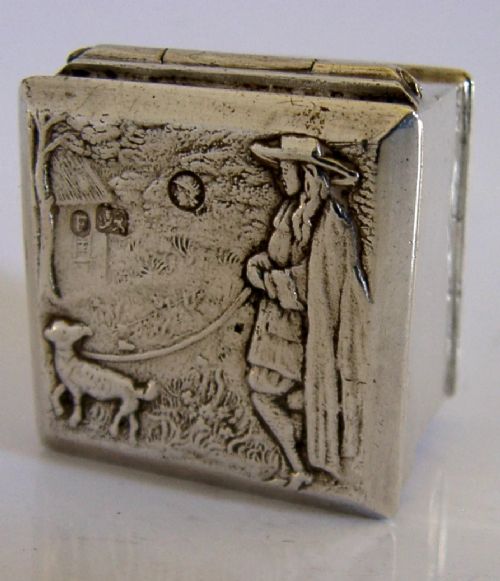
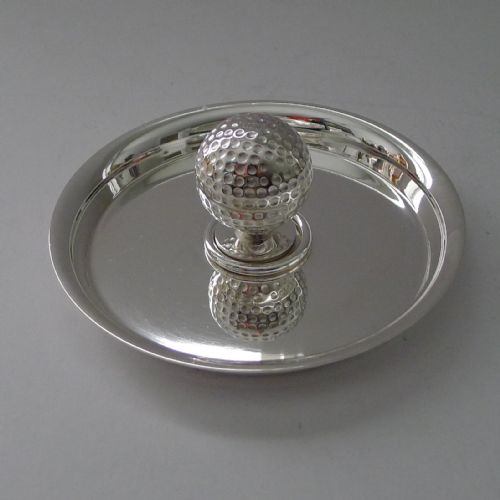
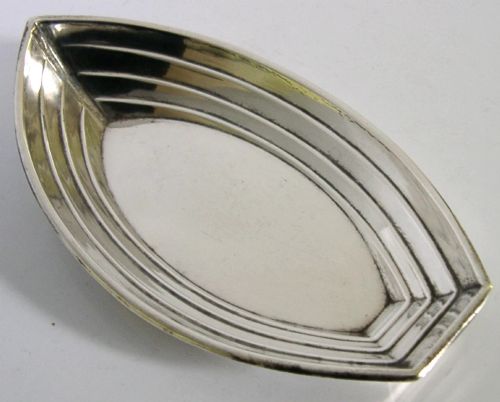
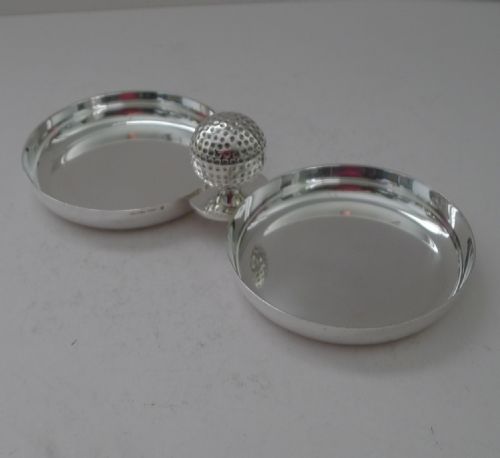
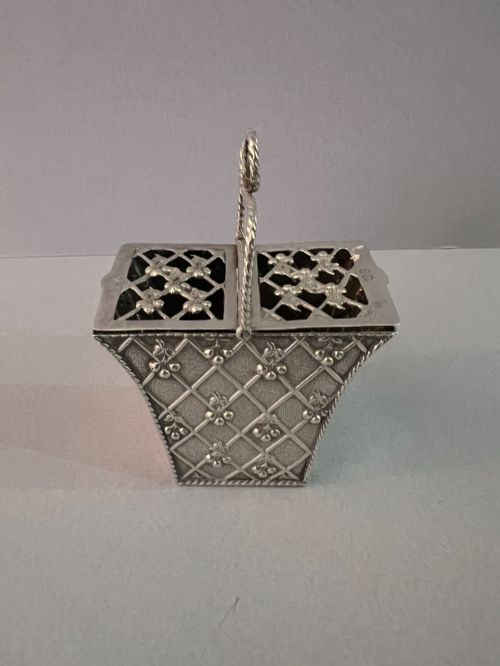
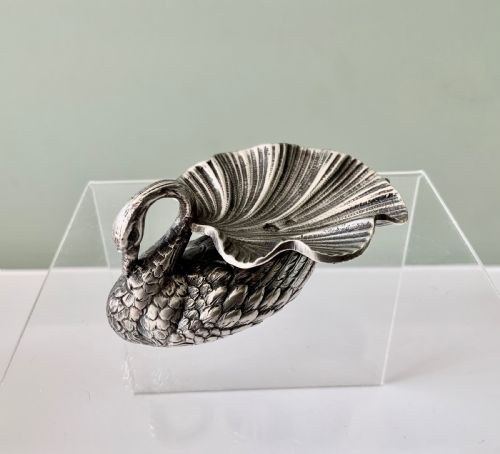
A silver novelty dish takes a familiar everyday object or creature and turns it into a container for the table or desk.
Silver Novelty Dish
When you search for a silver novelty dish, you encounter items shaped as animals, birds, boats, plants, and practical objects meant to amuse the eye. The selections on this page span the Victorian era, the Edwardian period, and the mid-twentieth century.
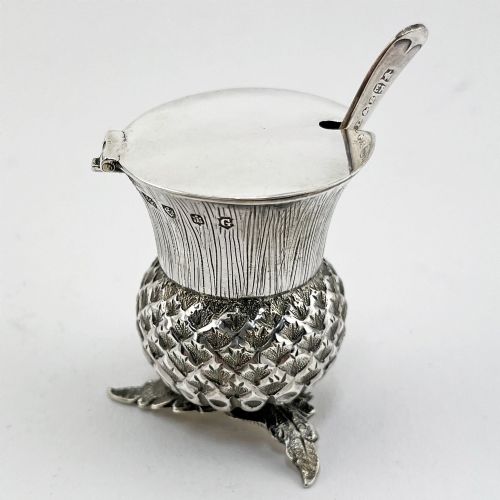
The objects serve as salt cellars, trinket dishes, ashtrays, mustard pots, and vide poche receptacles. These pieces combine decorative whimsy with functional utility for the dining table or desk tidy.
Originating from British workshops, continental makers, and American silversmiths, these items reflect the Victorian taste for naturalism alongside the cleaner lines of later decades.
Distinctions in Execution
The standard of a silver novelty dish rests upon the naturalism of the modelling and the crispness of the chased details. Pieces that capture an anatomical stance or botanical curve with precision show greater skill.
Heavier gauge silver and clearly struck hallmarks on both base and components elevate an example above mass-produced counterparts. The integration of functional compartments, such as hinged lids or fitted glass liners, dictates the piece's success.
Silver Novelty Dish Retail Price Guide 2026
Typical asking prices for silver novelty dish among the pieces listed under this phrase on Sellingantiques today, from the lower quarter to the upper quarter. They describe what is for sale here now, not the wider market.
An owl novelty inkwell watches over the desk with blinking glass eyes.
Hermes Paris·Wallace·Hukin and Heath·Theo Fennell·William Padley·James Dixon And Sons
The Silver Novelty Dish Glossary
- Vide poche
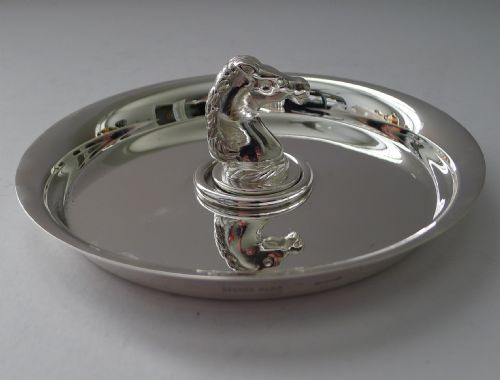
- A small tray or dish intended for emptying pockets of coins and keys at the end of the day. These often take playful forms such as horse heads or leaves.
- Repoussé
- A metalworking technique where the silversmith hammers the metal from the reverse side to form a raised design on the front. This method creates the textured surface seen on floral and animal dishes.
- Salt cellar
- A small open vessel placed on the dining table to hold granular salt before the adoption of mechanical shakers. Many novelty examples take animal or vehicle shapes.
- Hallmark
- A series of official marks stamped onto precious metal items to guarantee the purity, origin, and year of manufacture. These stamps help verify the maker and period.
- Sweetmeat basket
- A small open container designed to hold confectionery, nuts, or dried fruits during dessert courses. They frequently appear in miniature or figural designs.
Silver Novelty Dish: Frequently Asked Questions
What were silver novelty dishes used for?
These pieces served practical roles on the dining table, sideboard, or writing desk. They held condiments like mustard, salts, or preserves, or acted as tidy receptacles for pins, keys, and coins.
Their playful shapes provided a talking point for guests during dinner parties and social gatherings.
How can I tell the period of a piece?
Hallmarks stamped into the metal offer the most reliable guide to a piece's age and origin. Comparing the style, such as Victorian naturalism or mid-century minimalism, helps narrow down the decade.
The presence of silver plate versus solid sterling silver also points towards manufacturing trends of specific eras.
Are these dishes made of solid silver or plated?
The listings include both solid silver and silver plated examples alongside brass elements. Hallmarks usually clarify the metal purity for solid pieces.
Plated items generally feature a base metal beneath a layer of silver applied by manufacturers.
How do I care for antique silver dishes?
Regular dusting with a soft cloth keeps the metal clean without wearing down raised details. Avoid abrasive cleaners that can damage the chased patterns or remove silver plating.
If the piece includes glass inserts or fabric pads, clean those components separately according to their specific material.