




Figural Hand Dish
A figural hand dish holds small items with sculptural flair, bringing nineteenth-century porcelain figures and hand-painted detail directly to the dressing table.
Figural Hand Dish
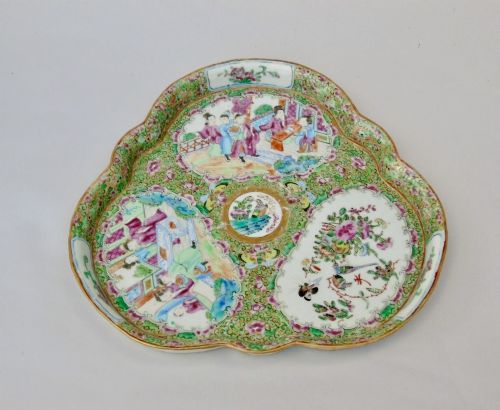
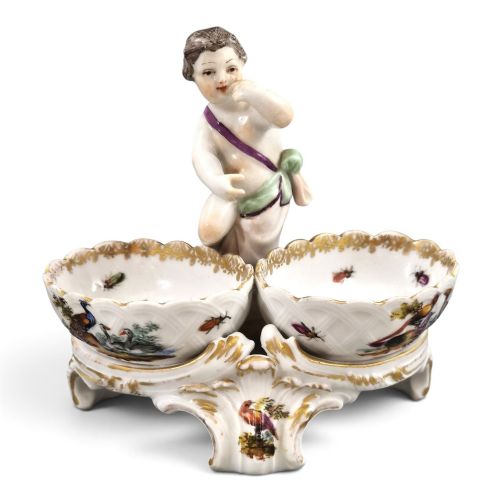
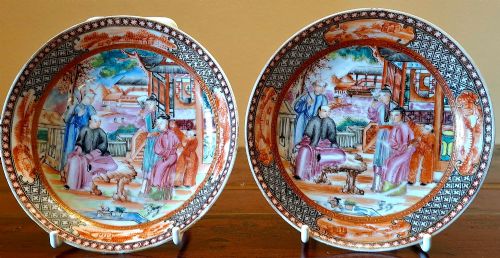
The figural hand dish search phrase brings together nineteenth-century porcelain and ceramic forms modelled into human hands or decorated with hand-painted motifs. These decorative vessels appear alongside salt cellars, saucers, and centrepieces from various periods.
Most examples originate from European and Asian traditions, including German porcelain and Japanese export wares. Collectors encounter items shaped like cupped hands or adorned with figurative elements such as cherubs and putti.
Earlier eighteenth-century pieces also surface within these listings, featuring Chinese export porcelain and enamel work. The selection spans diverse international aesthetics ranging from Rococo Revival curves to Art Deco simplicity.
How they were made
Makers shaped hard-paste porcelain and earthenware into detailed anatomical forms or vessel bodies before applying cobalt glaze and enamel decoration. Artisans executed meticulous hand-painted details directly onto the ceramic surface.
Gilt and gold leaf highlights were frequently added to accent the edges and sculptural reliefs of these dishes. Firing techniques varied across European factories and Asian kilns to achieve durable glazed finishes.
Figural Hand Dish Retail Price Guide 2026
Typical asking prices for figural hand dish among the pieces listed under this phrase on Sellingantiques today, from the lower quarter to the upper quarter. They describe what is for sale here now, not the wider market.
Materials recorded across current items include Enamel, Porcelain, Gold Leaf, Gilt, Hard-Paste Porcelain, Copper, Cobalt Glaze, and Earthenware.
What varies in quality
Quality rests in the crispness of the modelling and the precision of the hand-painted brushwork across the surface. Finer examples display superior anatomical definition in the hand shapes and delicate control in the enamel application.
The preservation of original gilding and the purity of the porcelain paste distinguish finer workshop output from standard production pieces.
KPM Berlin·William Padley·Limoges
The Figural Hand Dish Glossary
- Hard-paste porcelain
- A dense, durable ceramic material fired at high temperatures using kaolin and petuntse. It provides a bright white body suitable for intricate figurative modelling.
- Enamel
- A glassy substance fused to metal or ceramic surfaces through firing. It supplies vibrant colour to painted decorative motifs.
- Cobalt glaze
- A blue pigment applied beneath or over the glaze before firing. It produces deep blue tones seen on traditional export wares.
- Gilt
- A thin layer of gold applied to the surface of porcelain or metal. It enhances decorative elements with metallic shine.
- Putto
- A plump, naked male child figure often depicted in classical art. These figures frequently appear supporting salt cellars or resting on decorative shells.
Figural Hand Dish: Frequently Asked Questions
How were salt cellars used?
Salt cellars held loose salt for individual diners at formal dining tables before the invention of modern shakers. They were placed directly beside plates for easy access.
Figural examples often elevated the salt container with cherubs, putti, or sculpted hands to add visual interest to the table setting.
How do I care for antique porcelain?
Antique porcelain requires gentle hand washing with mild soap and warm water when cleaning becomes necessary. Harsh abrasives and modern dishwashers damage delicate hand-painted surfaces and historic gilding.
Display these items away from direct sunlight and areas prone to sudden temperature changes to protect the glaze.
How do I distinguish periods?
Periods are identified through stylistic cues, manufacturing marks, and material composition seen across different eras. Rococo Revival pieces display elaborate scrollwork, while Art Deco items feature geometric simplicity.
Examining the base for factory stamps and understanding historical export patterns helps narrow down the date of creation.