



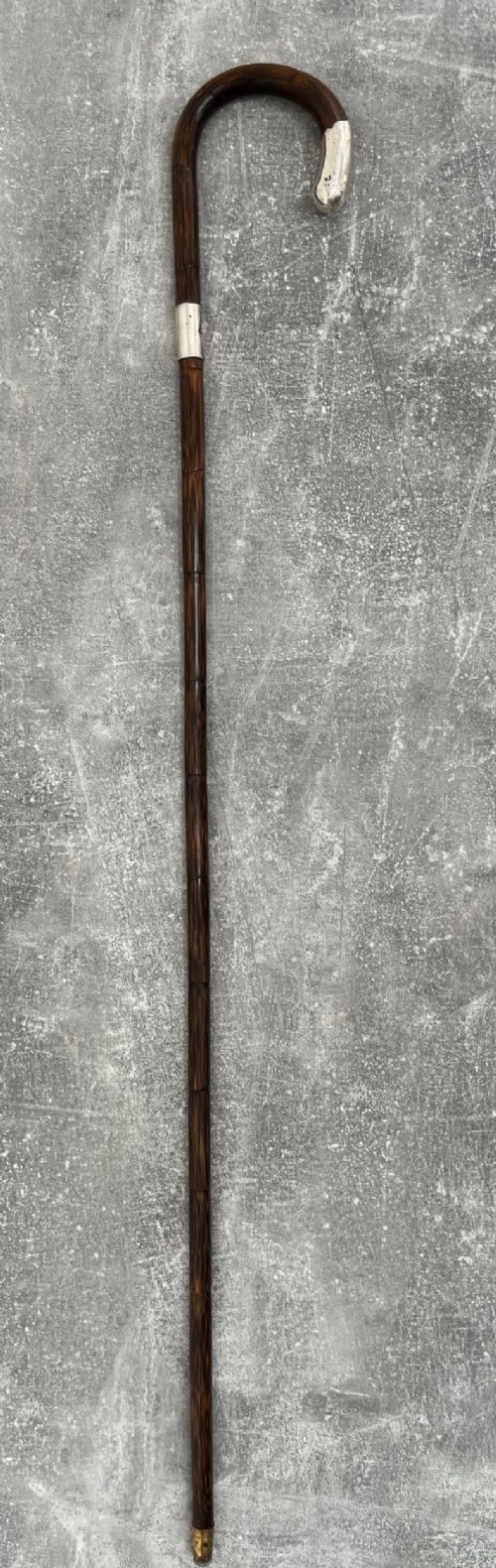


Silver Mounted Sword Stick
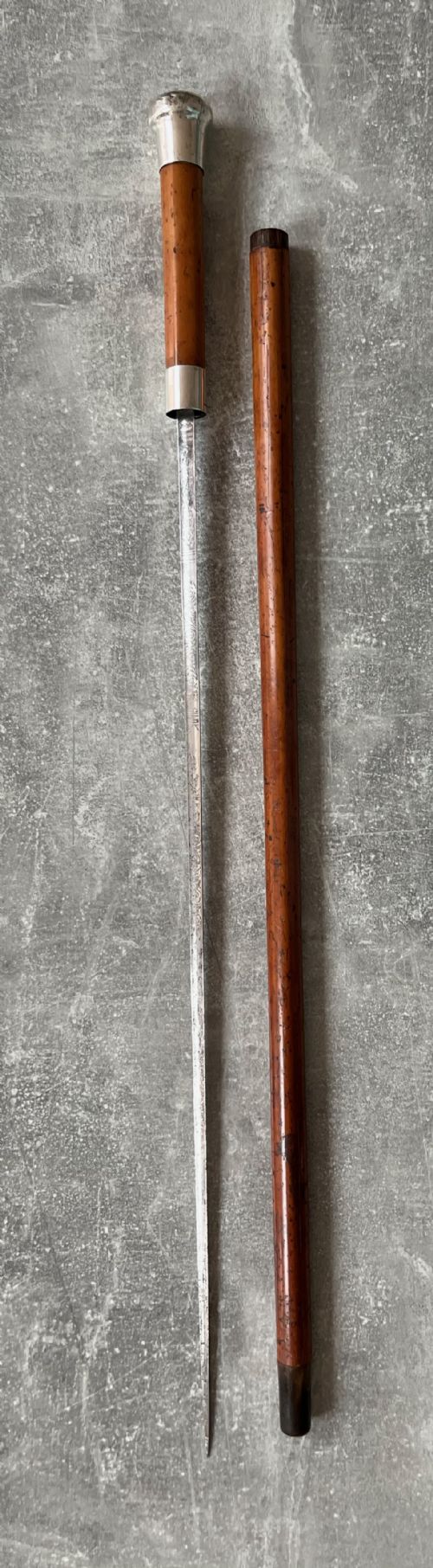
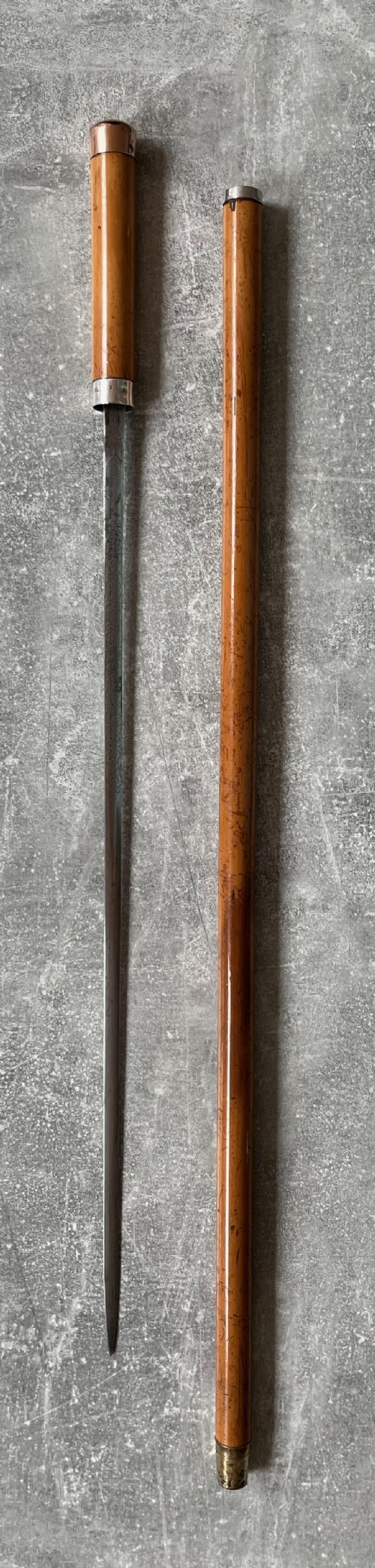
A silver mounted sword stick is a discreet gentleman's companion housing a concealed blade beneath precious metal collars and handles.
Silver Mounted Sword Stick
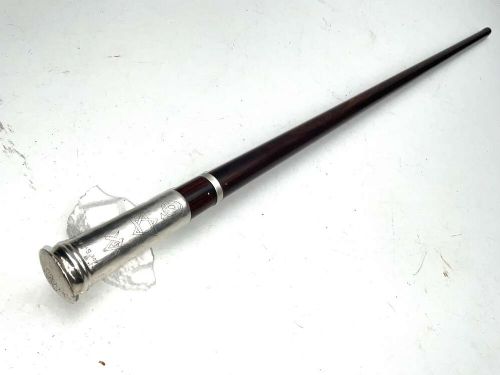
A silver mounted sword stick represents the intersection of personal defence and gentlemanly promenade accessory during the Victorian and Edwardian eras. These items disguise a steel blade within an ordinary-looking walking cane, secured by a silver top, knop, or collar.
Most examples encountered on this page date from the late nineteenth century through to the early decades of the twentieth century. Forms range from malacca cane shafts with crook handles to leather-covered bodies and root ball chestnut handles.
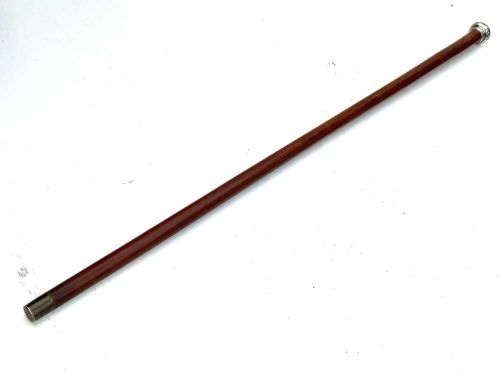
Makers such as Wilkinson supplied blades for these pieces, pairing military-grade steel with civilian walking sticks. Buyers primarily encounter malacca cane and ebonised wood bodies fitted with hallmarked silver mounts.
How they were made
Construction relies upon shaping natural materials such as malacca cane, chestnut wood, and horn to form the outer scabbard and handle. Ebonised wood and leather-covered shafts provide alternative bodies to house the internal blade.
Makers integrated forged steel blades, occasionally bearing maker marks from firms like Wilkinson, directly into the wooden shafts. Silver mounts, collars, and knops were then fitted to the top and neck to reinforce the wood and provide aesthetic distinction.
Silver Mounted Sword Stick Retail Price Guide 2026
Typical asking prices for silver mounted sword stick among the pieces listed under this phrase on Sellingantiques today, from the lower quarter to the upper quarter. They describe what is for sale here now, not the wider market.
Listings feature pieces spanning from the Victorian era through the 1930s, utilising materials such as silver, malacca cane, horn, and ebonised wood.
What varies in quality
Quality rests upon the pedigree of the internal blade and the substantive weight of the silver mounts rather than mere decorative flourish. Blades produced by established arsenals or sword cutlers elevate a piece far above standard utilitarian versions.
The choice and integrity of the handle material also dictate value, with dense malacca cane and horn handles showing superior craftsmanship to simple turned wood. Hallmarked silver mounts from London assay offices indicate higher standards of precious metal work.
Wilkinson Blade
The Silver Mounted Sword Stick Glossary
- Sword stick
- A walking cane concealing a sharp steel blade within its shaft. It functions as both a walking aid and a hidden personal weapon.
- Malacca cane
- A strong, resilient stem derived from rattan palms, identifiable by its rich brown colour and characteristic joints. It forms the preferred lightweight body for quality walking canes.
- Silver knop
- A rounded or bulbous silver handle fitted to the top of a stick. This component provides a secure grip for the hand and conceals the opening mechanism.
- Root ball handle
- A natural wooden handle fashioned from the gnarled root section of a tree, such as chestnut. Each handle possesses a completely unique organic contour.
- Collar
- A decorative or reinforcing metal band encircling the neck of the stick directly below the handle. Silver collars often bear hallmarks indicating the date and place of manufacture.
Silver Mounted Sword Stick: Frequently Asked Questions
How do you release the blade?
Most silver mounted sword sticks utilise a simple push-button mechanism, a twist-lock collar, or a friction fit to secure the blade inside the shaft. Pulling the handle straight out from the body releases the steel blade from the scabbard.
Owners should exercise care when operating these mechanisms to avoid damaging the internal wooden channels. Regular gentle use prevents the locking components from sticking over time.
Were these legal to carry?
During the Victorian and Edwardian periods, gentlemen routinely carried concealed weapons for personal protection during urban walks. Social norms and local laws permitted such items as standard accessories for gentlemen.
Today, modern legislation strictly regulates the possession and public carrying of concealed bladed weapons. Collectors generally acquire and display these pieces within private collections rather than carrying them.
How do I care for the blade?
The internal steel blade requires occasional light oiling to prevent rust and corrosion from accumulating inside the wooden scabbard. Keeping the metal clean preserves any maker marks or engravings present on the steel.
Avoid exposing the malacca or wooden shafts to extreme humidity or dry heat to prevent the wood from warping. A stable indoor environment protects both the outer mounts and the internal fit.
What indicates a Victorian period piece?
Victorian examples often feature robust construction, heavier silver mounts, and distinct hallmarking styles corresponding to the nineteenth century. The use of malacca cane and ebonised wood predominates during this era.
Later pieces moving into the Edwardian era and the 1920s sometimes adopt sleeker profiles or alternative handle materials like horn and root ball chestnut. Examining the silver hallmarks provides the most reliable guide to precise dating.