



Silver Mounted Frame
These pieces known as a silver mounted frame combine precious metal and other media to hold memories and art.
Silver Mounted Frame
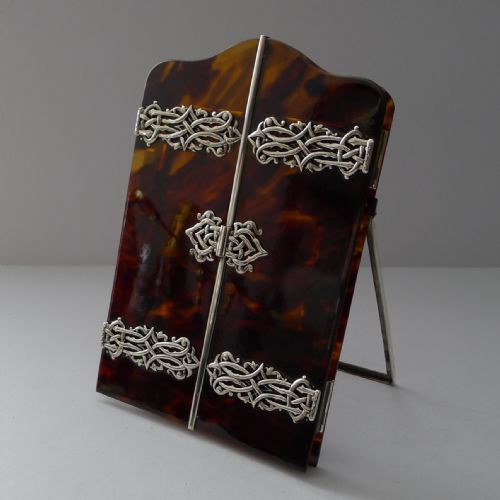
A silver mounted frame brings together precious metal and materials such as wood, tortoiseshell and glass to display portraits, photographs and miniatures. These objects emerge from periods including the Victorian and Edwardian eras, taking forms that range from easel mirrors to wall hanging displays.
The versions most commonly met on this page date from the late nineteenth century and the early twentieth century. They include sterling silver photograph frames, portrait miniatures and decorative items featuring metal mounts applied to glass or organic backings.
How they were made
Silversmiths formed the metal mounts through techniques like repousse work, pressing and hallmarking to secure glass, wood and velvet components. Frames often incorporated wooden backs, oak supports and velvet linings to provide structural stability alongside the decorative silver.
Makers integrated sterling silver or silver plate directly onto materials such as tortoiseshell, coromandel and glass. This construction required precise joinery to attach the metal borders securely to the backing materials without damaging fragile surfaces.
Silver Mounted Frame Retail Price Guide 2026
Typical asking prices for silver mounted frame among the pieces listed under this phrase on Sellingantiques today, from the lower quarter to the upper quarter. They describe what is for sale here now, not the wider market.
A tiny hinged easel hiding behind a velvet flap once supported portraits of long-forgotten Victorian children.
What varies in quality
The standard of a silver mounted frame rests on the crispness of the repousse detail, the weight of the metal and the quality of the backing materials. Superior examples display clear hallmarks, well-preserved velvet linings and securely fastened mounts that show minimal wear.
Construction methods also distinguish finer pieces, particularly where hinges, easels and bezels are engineered to function smoothly. Lesser examples often show thin metal plating, distorted mounts or replacement backing boards that alter the original integrity of the object.
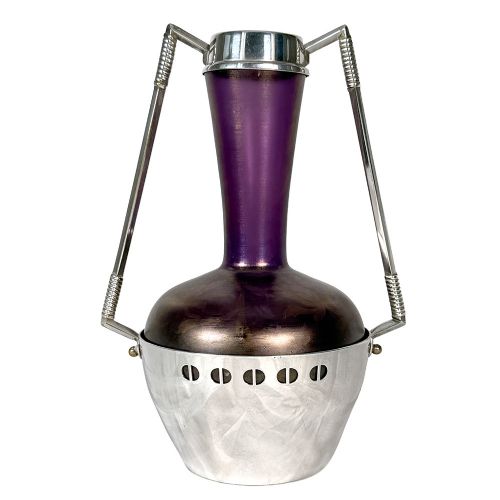
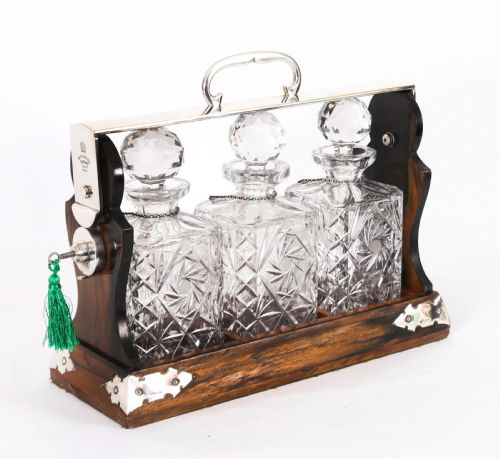
Loetz and Argentor·Betjemann·Hukin and Heath
The Silver Mounted Frame Glossary
- Hallmark
- An official stamp applied to precious metals indicating the standard of purity, the assay office, and the date of manufacture. These marks allow collectors to verify the exact provenance of a piece.
- Repousse
- A metalworking technique where the smith hammers the metal from the reverse side to form a raised design in relief. This method creates decorative borders and motifs on the frame surface.
- Easel back
- A hinged support attached to the rear of a frame allowing it to stand upright on a table or surface. Many Victorian and Edwardian examples utilise this mechanism.
- Coromandel
- A dense, dark cabinet wood with contrasting light streaks imported from Asia, often used as a contrasting backing or body material. It frequently accompanies metal mounts in luxury goods.
- Sterling silver
- An alloy consisting of silver and other metals, typically copper, maintaining a standard purity proportion. It forms the primary metal component in higher grade frames.
Silver Mounted Frame: Frequently Asked Questions
How do I date a silver frame?
Dating relies heavily on identifying the assay office marks and date letters stamped into the silver. Stylistic indicators like Art Nouveau curves or Edwardian proportions also help narrow down the period.
Secondary materials provide further clues to the age of the item. Original wooden backs, velvet linings and glass types corroborate the decade indicated by the hallmarks.
Are these frames made of solid silver?
Many feature sterling silver mounts, though silver plate and mixed metals also appear across different pieces. Hallmarks on the metal will confirm the exact standard used by the maker.
Backings and structural elements are typically constructed from wood, oak, or tortoiseshell rather than solid metal. The silver is applied as a mount or fascia over these core materials.
How should I clean the silver mounts?
Cleaning requires a soft cloth and a specialised silver polish applied gently around the mounted materials. Care must be taken to avoid getting polish on adjacent velvet, wood, or glass surfaces.
Aggressive rubbing can wear down thin silver plating or damage repousse details. Preventative storage in stable humidity conditions reduces the need for frequent polishing.
Can I replace the glass in these frames?
Replacing glass is possible but often disrupts the original fit within the antique metal bezel. Many pieces retain their original hand-blown or cut glass panes, which collectors prefer to keep intact.
If replacement is necessary, a professional restorer should cut new glass to match the exact thickness of the original. This prevents stress on the surrounding silver mount.