





Silver Miniature Collectables
Silver miniature collectables are delightful diminutive objects in sterling and solid silver, offering intricate craftsmanship and historical charm.
Silver Miniature Collectables
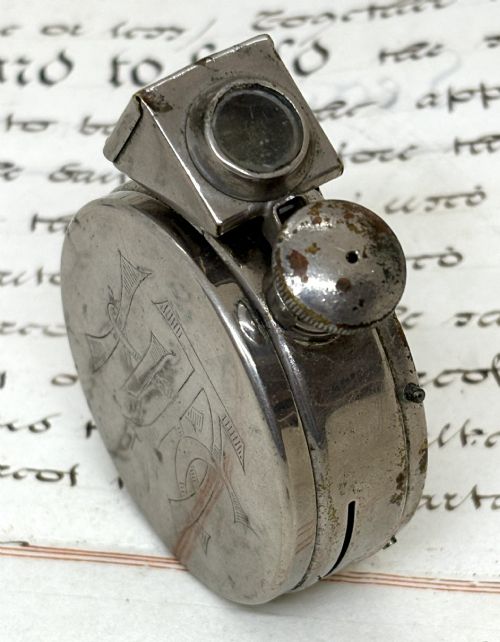
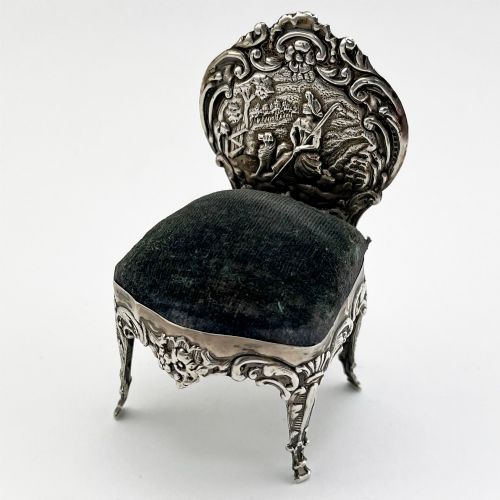
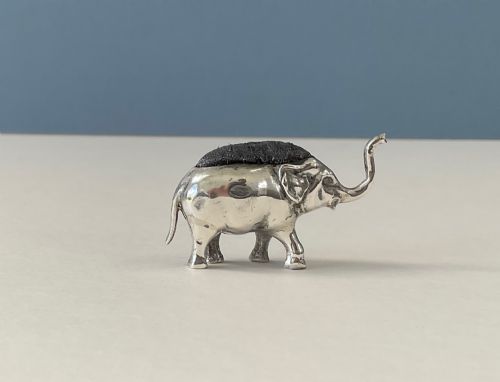
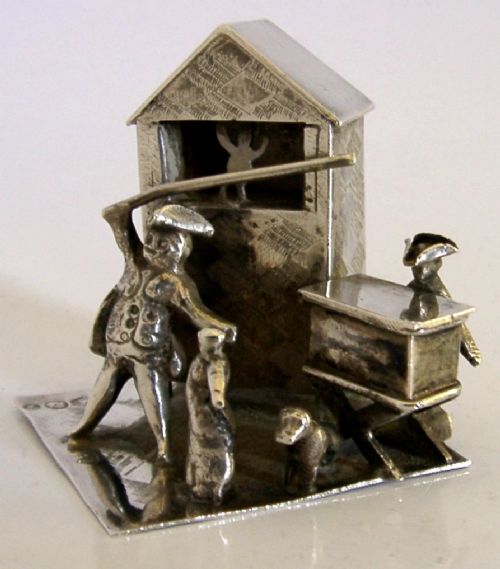
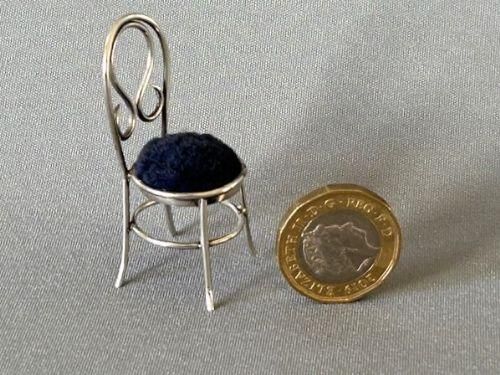
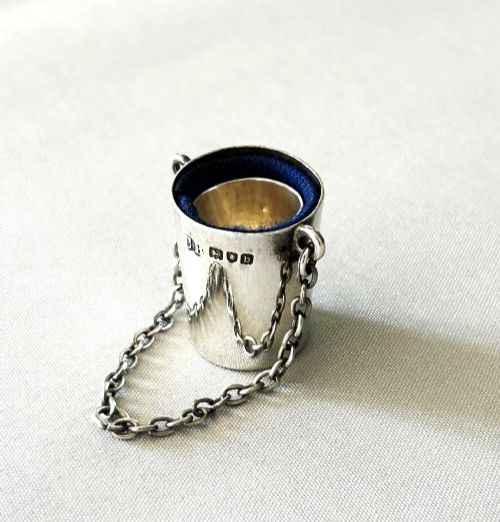
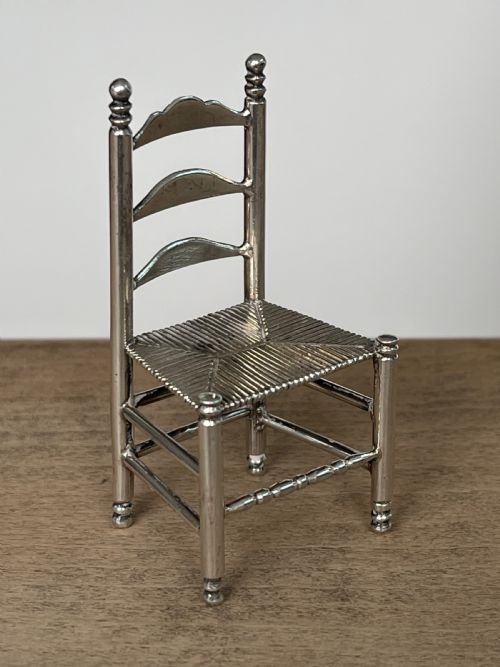
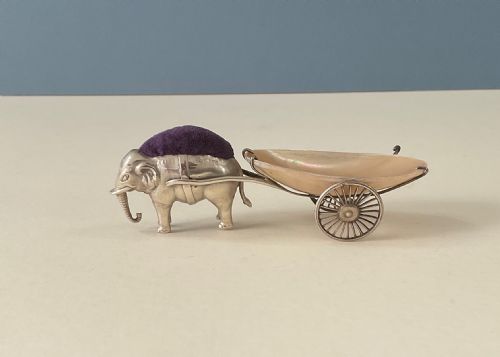
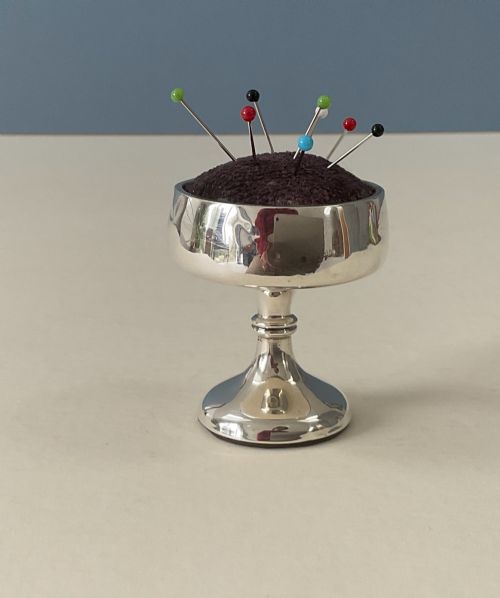
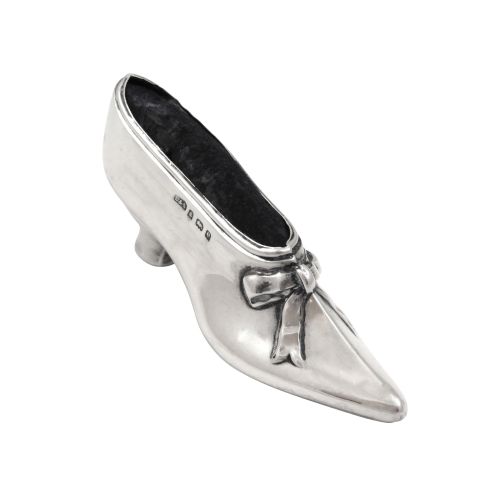
Silver miniature collectables encompass an array of small-scale items, most frequently appearing on this page in the form of novelty pin cushions, miniature models, and detailed doll's house furniture. These pieces span periods from the Victorian and Edwardian eras through to the mid-twentieth century.
Buyers encounter distinct forms such as animals, furniture, and household objects fashioned in solid silver, sterling silver, or 833 solid silver. The selection draws heavily upon novelty designs like salon chairs, animals, and transport models.
The origin of these items often reflects British production alongside continental Dutch and French silverwork, showcasing a fascination with diminutive realism across the nineteenth and twentieth centuries.
Materials and construction
Makers utilised solid silver, sterling silver, and 833 grade silver, frequently combining the precious metal with supportive structural elements such as wood, fabric, and velvet.
Pin cushion variations incorporate textiles like velvet and fabric held tightly within silver housings, while models and furniture pieces employ detailed casting and chasing techniques to render textures.
Silver Miniature Collectables Retail Price Guide 2026
Typical asking prices for silver miniature collectables among the pieces listed under this phrase on Sellingantiques today, from the lower quarter to the upper quarter. They describe what is for sale here now, not the wider market.
Victorian silversmiths occasionally turned tiny folding chairs and hatching chicks into pin cushions.
Judging quality in miniature silver
Quality rests upon the crispness of the chasing and the fidelity of the miniature form, where master silversmiths achieved convincing anatomical details on tiny animals or precise joinery on miniature chairs.
The integration of secondary materials such as velvet or enamel alongside the silver framework influences the overall cohesion and preservation of the piece.
Sampson Mordan & Co.
The Silver Miniature Collectables Glossary
- Sterling Silver
- A standard alloy of silver consisting of 925 parts silver per thousand by mass. This material forms the primary metal for many British items.
- Pin Cushion
- A small device used for holding pins in place, frequently rendered in novelty silver shapes during the Victorian and Edwardian periods.
- Solid Silver
- A term denoting an object made substantially of silver throughout rather than plated over a base metal. It ensures the enduring weight of small items.
- Chasing
- A metalsmithing technique where the metal is hammered from the front to sink the surface and create raised relief designs. This method defines miniature detailing.
Silver Miniature Collectables: Frequently Asked Questions
How were silver pin cushions used?
These pieces served as functional desk or dressing table accessories where sewing pins were pushed directly into integrated velvet or fabric pads.
Their decorative novelty forms meant they doubled as charming ornaments for polite display in parlours and boudoirs.
How do I date an Edwardian silver miniature?
Dating relies upon examining hallmarks stamped into the silver, which record the assay office, date letter, and standard of the metal.
Stylistic cues such as Edwardian novelty animal designs also help place pieces accurately within their decade of production.
Are Dutch miniatures different from British ones?
Continental Dutch silver miniatures often utilise lower silver standards like 833 solid silver and lean towards distinct baroque revival styles.
British examples frequently display hallmarks specific to London or provincial assay offices alongside characteristic domestic novelty themes.