



Silver Metal Lighting
Silver metal lighting brings together chandeliers, desk lamps and wall sconces cast in brass, silver plate and chrome to illuminate interiors with period character.
Silver Metal Lighting
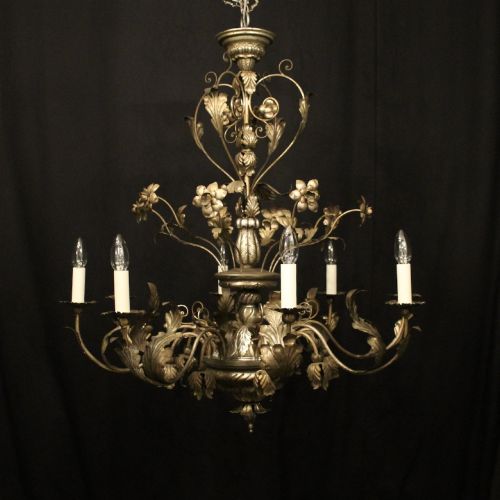
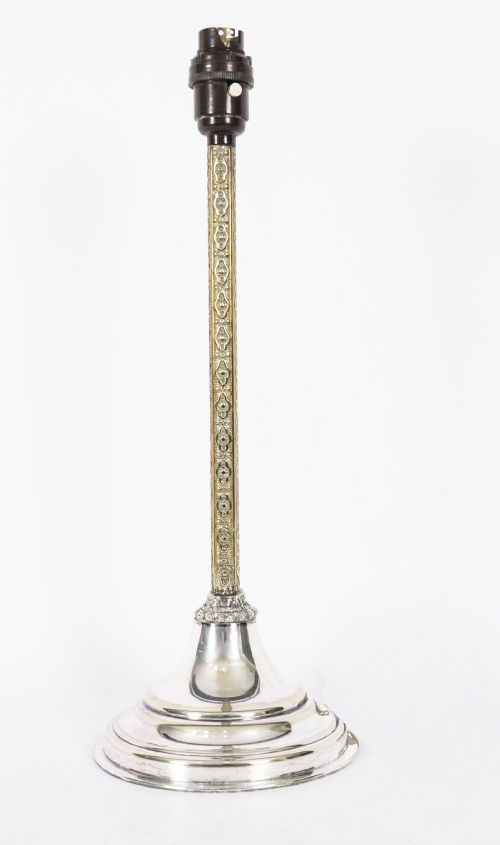
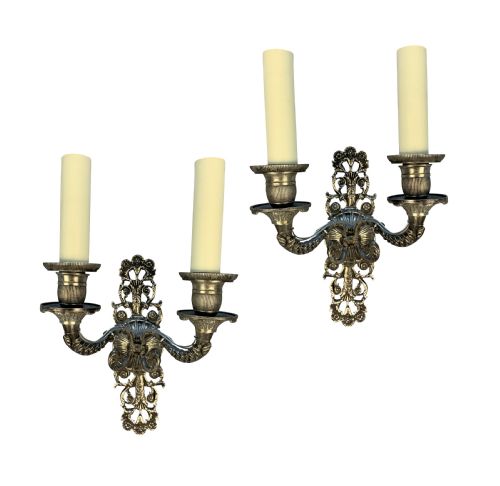
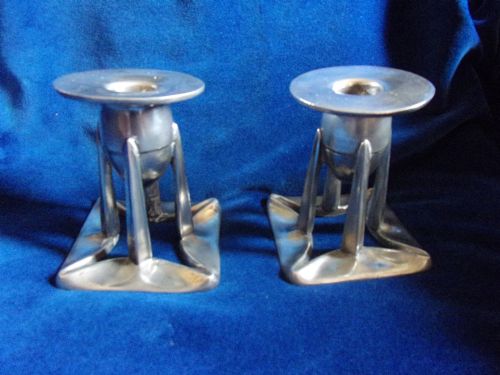
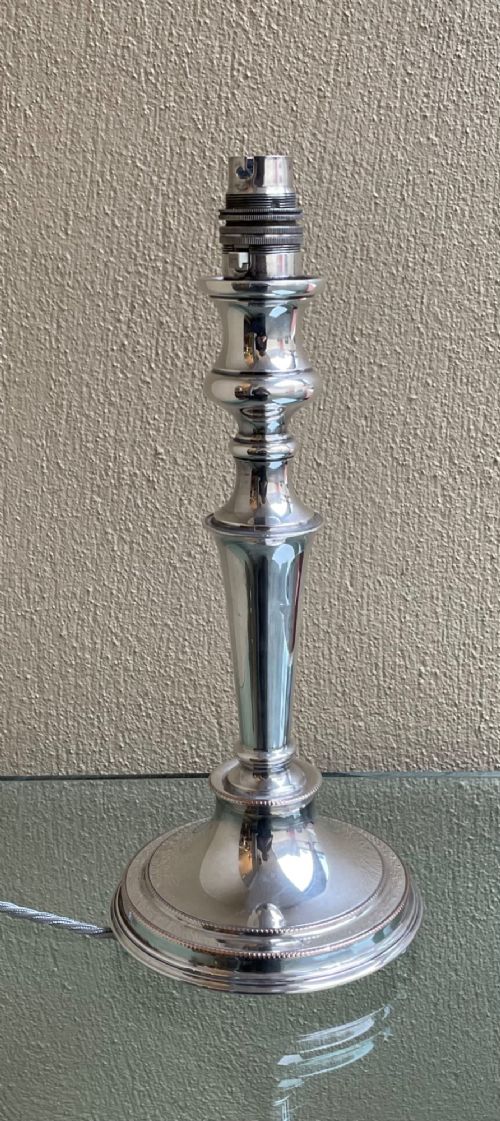
Silver metal lighting encompasses fixtures designed to illuminate domestic and commercial spaces using metallic finishes, predominantly silver plate, chrome, nickel and pewter. Buyers seeking silver metal lighting will encounter varied forms spanning floor standards, table lamps, chandeliers and wall sconces.
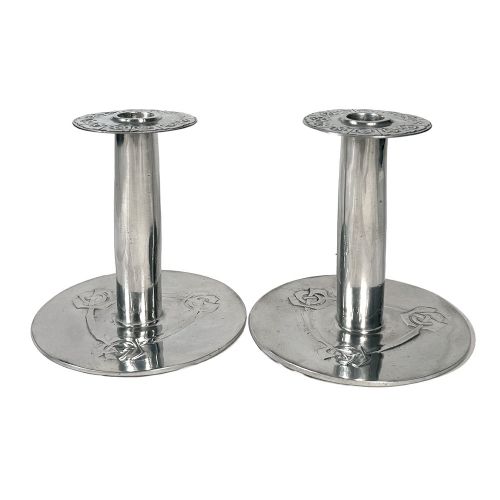
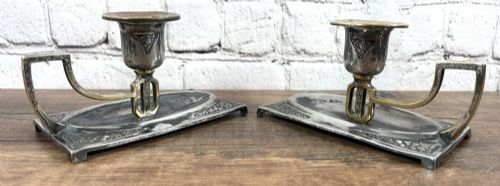
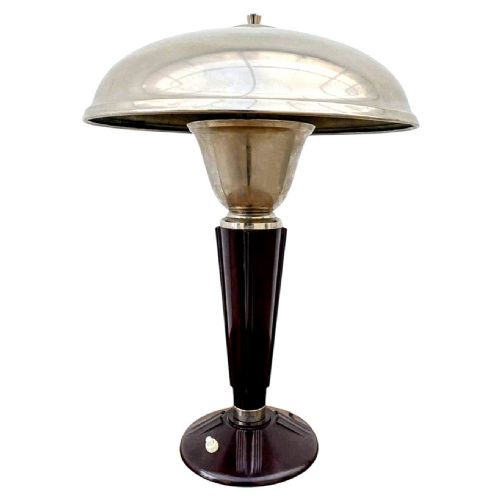
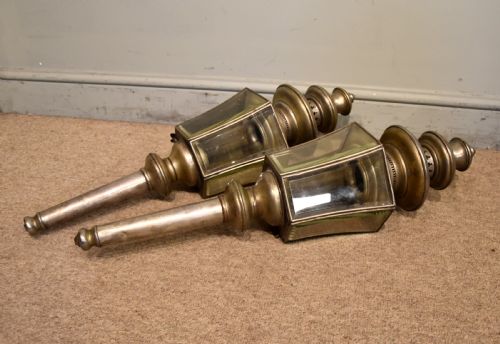
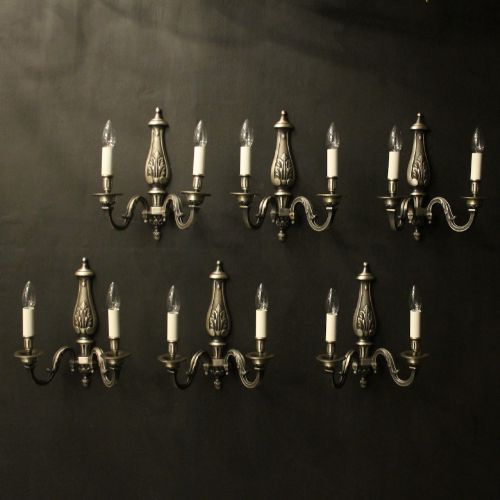
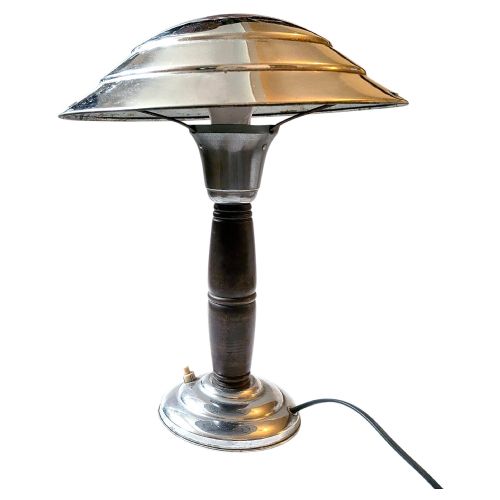
The selection ranges from Georgian and Victorian candlesticks through Edwardian silver plated table lamps to Art Deco chrome task lights and French chandeliers. Pieces originate from workshops across Britain, France, Italy and Germany, reflecting shifting aesthetic priorities from heavy rococo revival curves to streamlined modernist geometry.
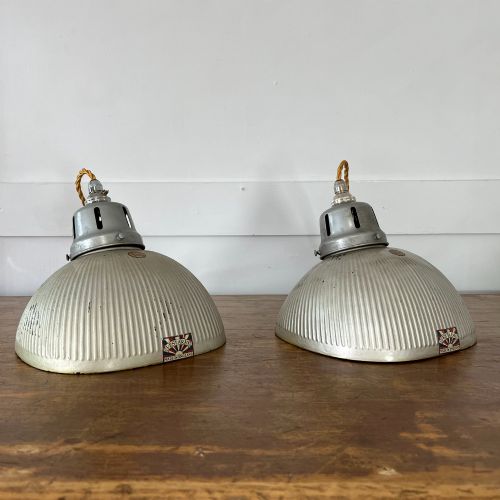
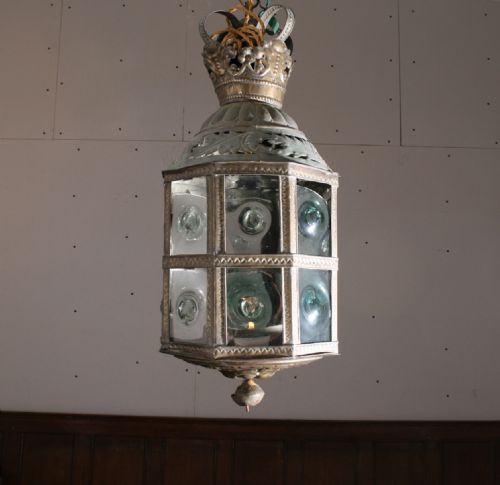
Table lamps and chandeliers dominate the offerings, often pairing metal bases with glass shades, crystal drops or fabric elements. These fittings serve both practical illumination tasks and decorative roles within period or eclectic interiors.
Materials and construction techniques
Makers utilised base metals such as brass, bell metal and pewter as foundations, frequently applying surface treatments like silver plating, parcel gilding, nickel plating or chrome. Silver plating techniques involved depositing thin layers of silver onto base metals like copper or Britannia metal, while later modernist pieces relied on solid chrome and steel tubing.
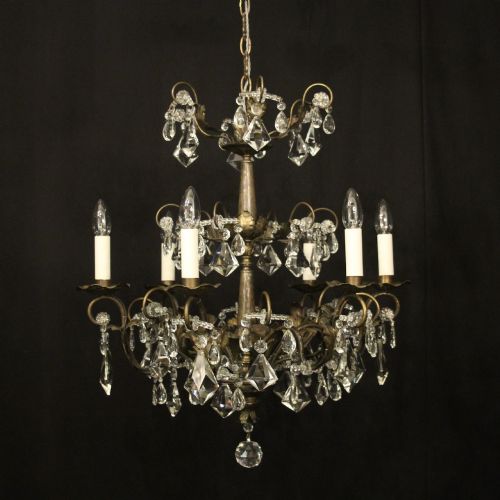
Casting methods varied by period, with earlier items employing sand casting for heavy brass and pewter candlesticks, later yielding to spun metal components and machine age tubular assemblies. Decorative elements on French chandeliers and wall sconces combined cast bronze frames with hand applied silver leaf and crystal glass drops.
Silver Metal Lighting Retail Price Guide 2026
Typical asking prices for silver metal lighting among the pieces listed under this phrase on Sellingantiques today, from the lower quarter to the upper quarter. They describe what is for sale here now, not the wider market.
Listings incorporate heavy cast brass standard lamps, delicate French crystal chandeliers and machine age chrome desk lights.
Determinants of quality
Quality rests upon the integrity of the original metalwork, the weight of the casting and the crispness of chased or stamped detailing. Heavier gauges of brass, pewter and silver plate indicate superior manufacture, whereas lighter spun metal components denote mass production.
The sophistication of the design execution separates standard utility pieces from studio output, particularly in works associated with known designers or prominent firms. Original surface patination, intact mercury gilding or silver plating without excessive wear distinguish well preserved examples from heavily compromised items.
Archibald Knox for Liberty and Co·Mappin and Webb·Eileen Grey·Herbert Terry·Muller Bros·Veritas Lamp Works
The Silver Metal Lighting Glossary
- Silver plate
- A thin layer of silver bonded to a base metal substrate such as copper or Britannia metal. This technique provided the visual appeal of solid silver at a lower production cost.
- Parcel gilt
- Objects decorated with a combination of silver or exposed metal alongside areas of applied gold leaf or gilding. This dual tone finish accentuates carved relief and cast ornament.
- Pewter
- A malleable alloy composed principally of tin alloyed with copper, antimony and bismuth. It was widely used for candlesticks and decorative wall sconces during the Victorian and Arts and Crafts periods.
- Chandelier
- A branched suspended lighting fixture designed to hold multiple candles or electric bulbs. Antique examples frequently incorporate crystal prisms to refract and multiply the emitted light.
- Sconce
- A wall mounted lighting fixture designed to project illumination into a room. These pieces often feature reflective metal backplates or arms holding candles or electric bulbs.
Silver Metal Lighting: Frequently Asked Questions
How do I clean silver plated lamps?
Clean silver plated surfaces gently with a soft microfiber cloth and a mild aqueous solution to remove dust and surface grime. Avoid abrasive polishes that can wear away thin silver plating over base metals.
Ensure electrical components remain completely dry during any maintenance work. Professional cleaning is recommended for fragile antique finishes.
Are these antique lamps rewired for modern use?
Many antique table lamps and wall lights arrive with updated modern wiring to meet current safety standards. Rewiring preserves historical fixtures while allowing safe integration into contemporary electrical circuits.
Check individual item descriptions to confirm the current status of internal wiring and lamp holders. Qualified electricians should install vintage ceiling lights and wall sconces.
What is the difference between chrome and nickel plating?
Nickel plating exhibits a warm, slightly yellowish silver hue that develops a soft patina over time. It was the predominant metallic finish for lighting before the widespread adoption of chrome.
Chrome plating presents a harder, highly reflective blueish silver appearance that resists tarnish and corrosion. This finish became synonymous with Machine Age and Art Deco design.
How can I date an antique silver metal lamp?
Dating relies on stylistic markers, manufacturing techniques and structural assembly methods characteristic of specific decades. Art Deco pieces display geometric streamlining, whereas Victorian and Edwardian examples favour ornate casting and floral motifs.
Maker stamps, registry marks and patents stamped onto the metal base provide precise chronological anchors. Comparing construction details against known period output helps narrow the date of manufacture.