




Silver Metal Frame
A silver metal frame brings functional elegance to display, housing photographs, mirrors, and larger structural items across diverse historical periods.
Silver Metal Frame
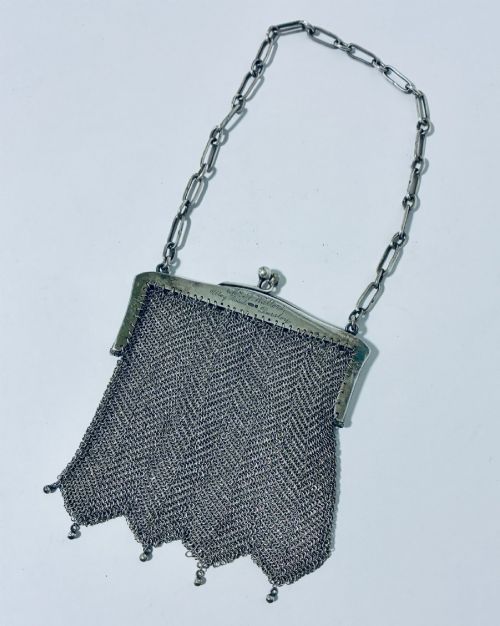
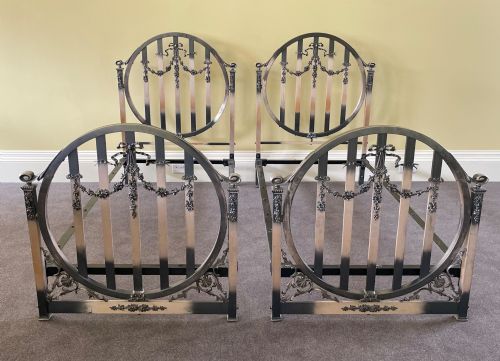
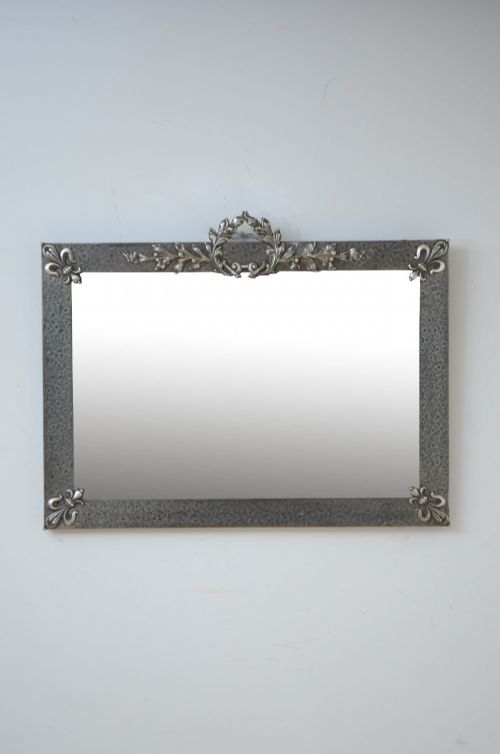
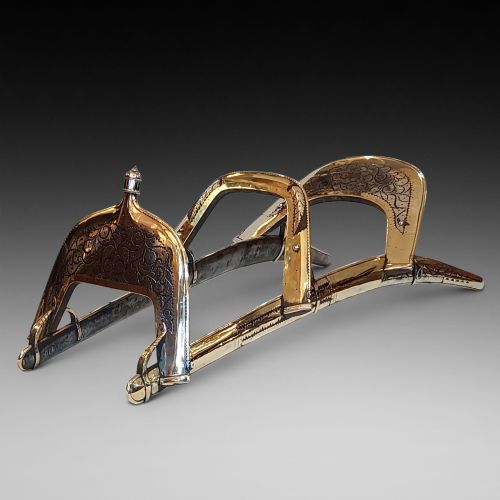
A silver metal frame encompasses a broad spectrum of domestic objects designed to support, protect, or present images and mirrors. When searching for a silver metal frame, buyers encounter pieces ranging from compact picture mounts to substantial architectural bed frames.
The selection on this page draws from eras spanning the Victorian period through the Edwardian years and into the 1930s. Forms include wall mirrors, picture frames, and larger furnishings executed in nickel plate, silver plate, chrome, and aluminium.
Stylistic influences vary widely, incorporating Art Nouveau botanical curves, geometric Art Deco lines, and simpler Arts and Crafts interpretations. These pieces originate from diverse European and international workshops, reflecting changing domestic tastes across decades.
How they were made
Construction relies heavily on base metals such as brass, iron, steel, and pewter, often treated with surface coatings like silver plating, nickel plating, or chrome. Artisans shaped these metallic components through casting, hammering, and assembly to achieve both structural integrity and decorative appeal.
Many items incorporate secondary materials such as glass, wood, and occasionally textiles or painted elements to complete the composition. Metalworking techniques evolved from hand-hammered Arts and Crafts methods to industrial chrome plating and modernist fabrication by the 1930s.
Listings feature items spanning the Victorian era, Edwardian period, and the 1930s.
What varies in quality
Quality rests upon the precision of the metalwork, the weight and gauge of the materials utilised, and the integrity of any applied plating. Superior examples exhibit clean joints, crisp surface decoration, and well-preserved finishes without excessive wear to the underlying base metal.
Design execution separates standard domestic items from finer productions, particularly in pieces bearing specific stylistic hallmarks like Art Nouveau fluidity or Art Deco modernist geometry. The relationship between the metallic frame and any integrated glass or backing board further indicates the standard of manufacture.
The Silver Metal Frame Glossary
- Nickel plating
- A thin protective and decorative layer of nickel applied to a base metal object. This technique imparts a bright, durable finish frequently seen on Edwardian and Art Deco pieces.
- Chrome
- Chromium plating applied to metals to provide a corrosion-resistant and highly reflective surface. It became a defining finish for modernist objects produced during the 1930s.
- Silver plate
- A layer of silver bonded to a base metal substrate, such as brass or copper. It offers the visual appearance of solid silver at a different scale of production.
- Arts and Crafts
- A design movement valuing handcraftsmanship, natural materials, and traditional construction methods over mass-produced ornamentation. Pieces often feature visible hammer marks and simple, honest forms.
- Art Deco
- A popular design style characterised by sleek geometric shapes, streamlined forms, and modern industrial materials. It dominated decorative arts throughout the 1920s and 1930s.
Silver Metal Frame: Frequently Asked Questions
How do I date a metal frame?
Dating relies on identifying the underlying material, the surface finish, and the stylistic vocabulary of the object. Methods like chrome plating and aluminium usage point towards the 1930s, while heavy nickel and brass often indicate Edwardian or Victorian origins.
Examining construction techniques, backing materials, and any maker marks or stamps provides further chronological context. Comparing the decorative motifs against established design periods helps narrow down the decade of manufacture.
Are silver plated frames fragile?
Silver plated frames require careful handling to preserve the thin metallic layer covering the base metal underneath. Excessive polishing can wear through the plating over time, exposing the brass, copper, or steel beneath.
Storing and displaying pieces away from high humidity and harsh cleaning agents helps maintain the finish. Gentle dusting with a soft cloth is usually sufficient for routine maintenance.
What is the difference between chrome and nickel?
Chrome plating produces a bright, slightly bluish-silver reflective finish that resists tarnishing and corrosion effectively. Nickel plating tends to have a warmer, slightly yellowish or softer metallic lustre.
Nickel was more common in Edwardian and early twentieth-century manufacturing, whereas chrome became widespread during the Art Deco era of the 1930s.
How do I clean metal frames?
Cleaning depends entirely on the specific surface finish and whether the metal is plated, lacquered, or bare. Non-abrasive cloths and mild soapy water are generally safe for removing surface dust and grime without scratching.
Harsh chemical dips and abrasive metal polishes should be avoided on plated items to prevent stripping the surface layer. Specialist cleaners formulated for silver plate or chrome should be used sparingly and cautiously.