





Silver Lidded Glass Pot
When you handle a silver lidded glass pot, you hold a piece designed for the dressing table or desk, combining practical storage with bright reflection.
Silver Lidded Glass Pot
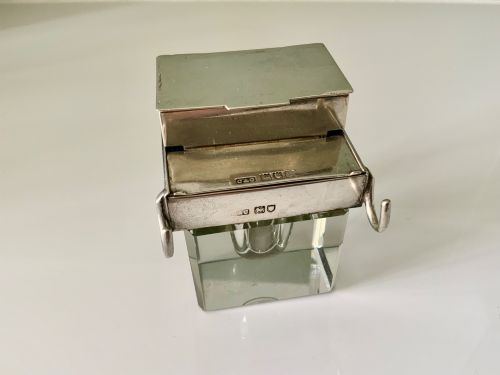
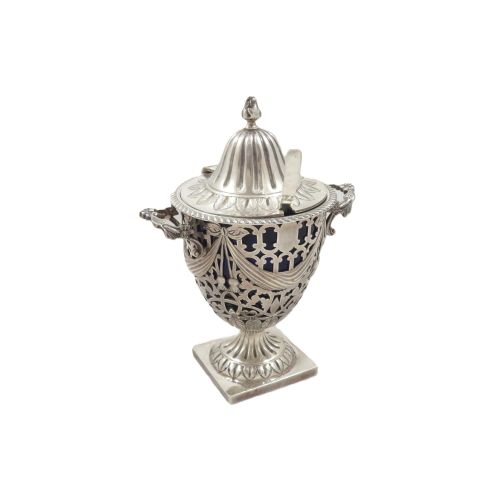
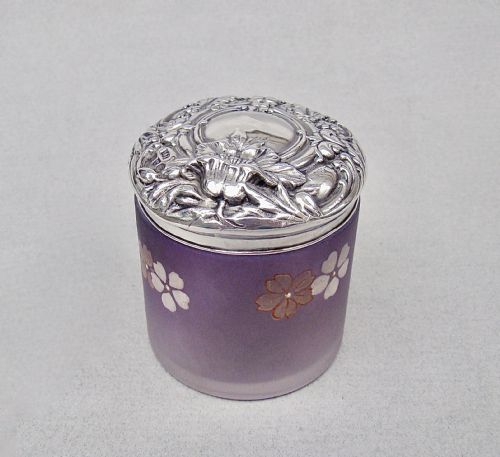
A silver lidded glass pot takes many forms on this page, appearing most frequently as dressing table jars, vanity jars, and trinket boxes from the Victorian, Edwardian, and Art Deco periods. These vessels served to hold powders, pins, or small personal items, often resting upon bedroom furniture or writing desks. Alongside these vanity pieces, the selection includes inkwells, preserve pots, sugar baskets, and biscuit barrels.
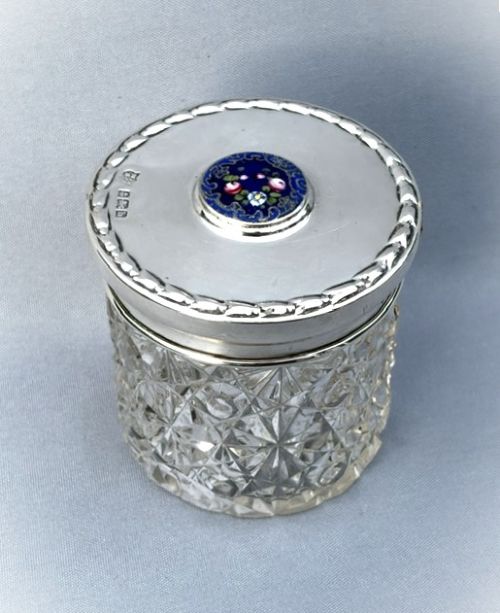
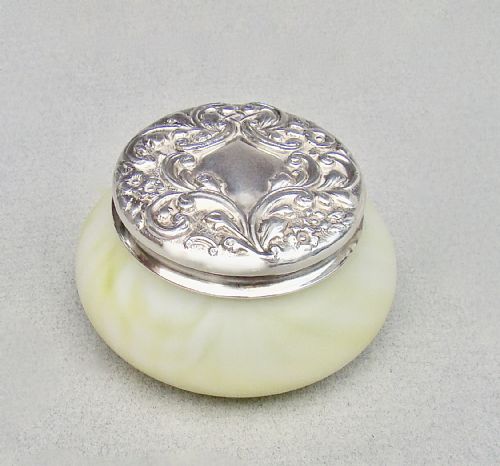
The glass bodies vary widely in form and colour. Buyers encounter heavy cut glass and crystal alongside satin glass, frosted glass, Cranberry glass, ruby red liners, and colourful enamel overlays. The metal mounts typically consist of sterling silver or silver plate, securing the lid and providing structural stability to the glass base.
How They Were Made
Makers formed the glass bodies using techniques such as heavy facet cutting, moulding, and overlay methods, producing pieces in clear crystal as well as coloured hues like Cranberry and amethyst. Metalworking involved casting or stamping sterling silver and silver plate for the lids and mounts, frequently finished with Birmingham and Chester hallmarks.
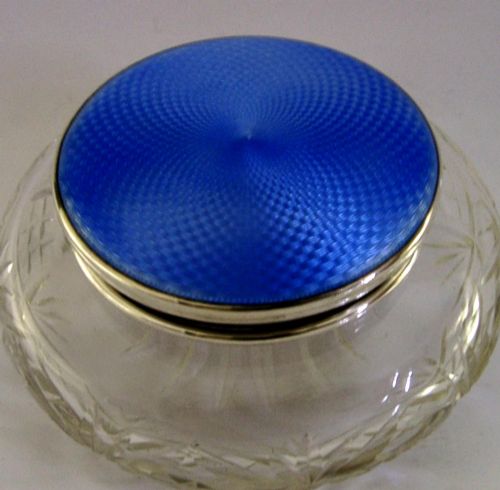
Artisans often embellished the silver lids with intricate hand-painted porcelain plaques, guilloché enamel, or inlaid tortoiseshell. These decorative elements were securely fitted to the glass rims, merging two distinct crafts into a single utilitarian object.
Silver Lidded Glass Pot Retail Price Guide 2026
Typical asking prices for silver lidded glass pot among the pieces listed under this phrase on Sellingantiques today, from the lower quarter to the upper quarter. They describe what is for sale here now, not the wider market.
Silver-lidded pots kept dressing tables tidy while secret inkwells held away correspondence.
What Varies in Quality
Quality rests upon the crispness of the glass cutting and the weight of the silver mount. Heavy cut crystal and thick sterling silver demonstrate superior material standard compared to thinner glass and silver plate.
The presence of specialised ornamentation distinguishes finer examples. Pieces featuring intact hand-painted porcelain plaques, intricate enamel work, or tortoiseshell inlays represent the upper tier of the range.
A. J. Pepper & Co·A. Bromet & Co·Hasset & Harper·Asprey
The Silver Lidded Glass Pot Glossary
- Cranberry glass
- A distinct pinkish-red glass coloured with gold chloride during manufacture. It appears frequently in Edwardian biscuit barrels and trinket boxes.
- Guilloché enamel
- A decorative technique where a precise geometric pattern is engraved beneath a translucent enamel layer. It frequently decorates Art Deco silver lids.
- Sterling silver
- An alloy containing ninety-two point five percent silver by mass, with the remainder being copper. Most English lids on these pots bear hallmarks proving this standard.
- Facet cut
- A method of grinding flat planes onto the surface of glass or crystal. This technique increases light refraction and sparkle across dressing table jars.
Silver Lidded Glass Pot: Frequently Asked Questions
What were glass pots with silver lids used for?
These vessels served primarily on dressing tables and desks to hold toiletries, pins, ink, or small edibles. Vanity jars and trinket boxes kept personal items tidy in bedrooms.
Other variants functioned as inkwells, mustard pots, or preserve jars for dining and writing use.
How do I identify an Edwardian silver lidded glass pot?
Edwardian pieces date from nineteen hundred to nineteen ten, matching the reign of Edward the Seventh. They often feature bright sterling silver mounts paired with cut glass or Cranberry glass.
Hallmarks stamped on the silver provide exact assay office symbols and date letters for precise dating.
What is the difference between cut glass and crystal?
Crystal contains lead oxide, which increases the weight and refractive brilliance of the glass. Cut glass lacks lead content but still receives deep geometric facets.
Both materials appear frequently beneath sterling silver lids in these collections.
How should I clean silver mounts on glass pots?
Polish the sterling silver gently with a soft cloth while avoiding contact with any enamel, tortoiseshell, or glass surfaces. Keep moisture away from glued joints between metal and glass.
Routine dusting preserves the original shine without wearing down the hallmark stamps.