

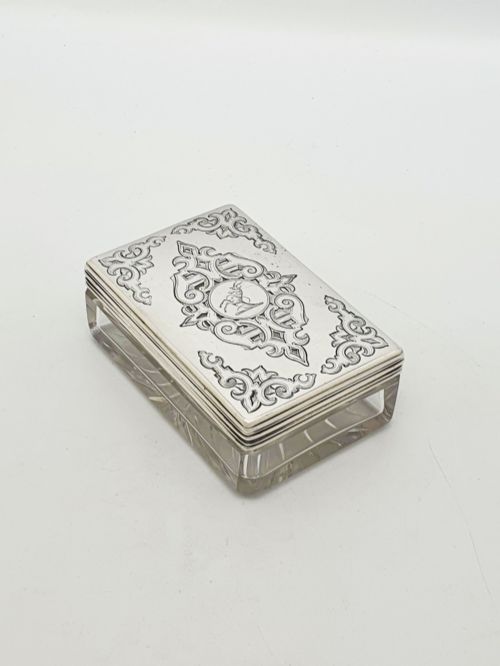


Silver Lidded Container
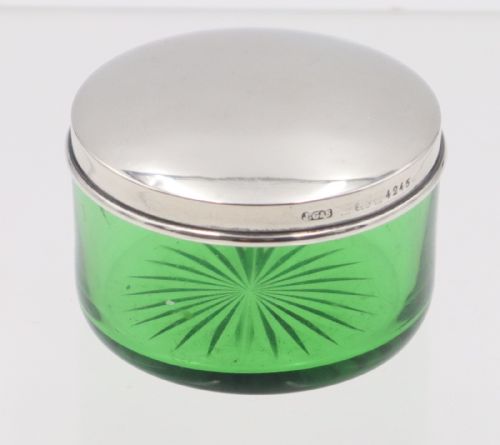
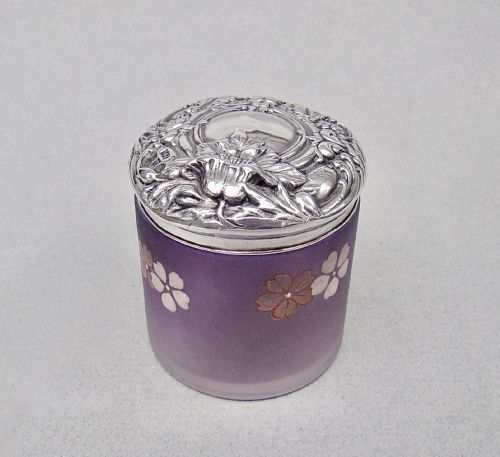
A silver lidded container brings solid metal and cut glass to a dressing table or tea service, offering practical storage with decorative presence.
Silver Lidded Container
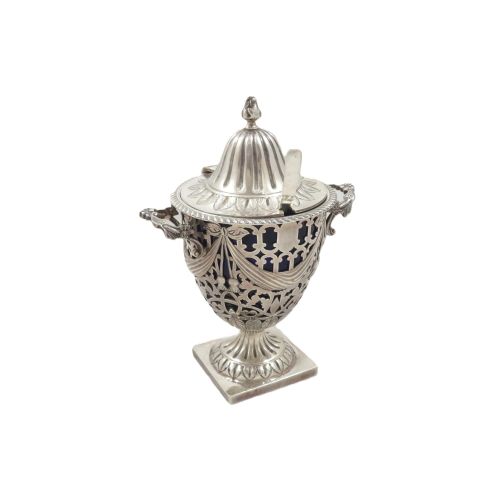
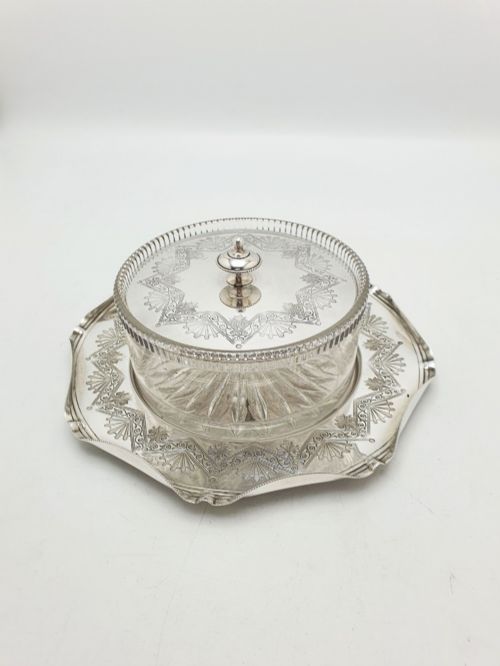
When searching for a silver lidded container, a buyer encounters a diverse group of functional vessels spanning tea caddies, vanity jars, trinket boxes, and biscuit barrels. These pieces serve domestic purposes across the Victorian, Edwardian, and Georgian periods, alongside international examples from Ottoman, Indian, and Dutch makers.
The most common forms on this page include cut glass dressing table jars with sterling silver mounts, solid silver tea caddies with pull-off lids, and small pill or trinket boxes. Material combinations range from plain sterling silver and silver plate to cranberry glass, mother of pearl, tortoiseshell, and guilloche enamel.
Origins stretch from English provincial assay offices to colonial workshops in India, bringing varied decorative styles from Arts and Crafts simplicity to intricate regional repousse work. Each vessel combines a secure lid with a fitted base designed to hold specific household provisions or personal items.
How they were made
Maker workshops shape sterling silver and silver plate through hammering, spinning, and casting, often adding chased, engraved, or repousse surface decoration. Glass bodies for vanity jars and biscuit barrels utilise cut crystal, frosted glass, or coloured cranberry and amethyst glass, joined to metal mounts with secure collars.
Internal components incorporate ceramic liners, glass inserts, and mother of pearl insets, while hinges and lids rely on precise silver smithing to ensure a close fit. Assay office hallmarks stamped into the metal provide official verification of purity, date, and origin for English production.
An eighteenth-century double lidded snuff box kept two distinct tobacco blends separated for the snuff-taker on the go.
What varies in quality
Quality separates through the weight and thickness of the silver metal used in the body and lid, alongside the depth and crispness of hand-chased or repousse ornamentation. Substantial gauge silver maintains structural rigidity and resists dents, whereas lighter plating or thin sheet metal bends under pressure.
The integration between mixed materials dictates overall merit, seen in how tightly a silver mount fits a cut glass or ceramic liner without movement or adhesive residue. Maker marks from established silversmiths and clear, unrubbed hallmarks indicate higher workshop standards.
Thomas Bradbury·William Eaton·Hasset & Harper·Ernest Druiff & Co·Wright & Davies·Walker & Hall·Omar Ramsden·Goldsmith's and Silversmith's Co.
The Silver Lidded Container Glossary
- Tea caddy
- A small container designed specifically to store loose tea leaves, often fitted with an inner lid to preserve aroma and flavour.
- Repousse
- A metalworking technique where the artisan hammers the design from the reverse side to form a raised pattern in relief on the front.
- Guilloche enamel
- A decorative technique involving precise mechanical engraving beneath a transparent layer of coloured enamel.
- Hallmark
- A series of official marks stamped on precious metals by an assay office to certify purity, maker, and year of manufacture.
- Biscuit barrel
- A cylindrical jar with a fitted lid used for serving dry biscuits at the dining table, frequently combining ceramic or glass with silver-plated mounts.
Silver Lidded Container: Frequently Asked Questions
What were silver tea caddies used for?
Tea caddies held precious tea leaves securely under lock and lid when tea was an expensive imported commodity. They sat on dining tables or tea tables in the parlour.
Today these lidded containers store small dry goods or function as standalone decorative display pieces on a sideboard.
How do I clean silver vanity jars?
Silver mounts require gentle cleaning with a soft microfibre cloth and a specialist silver polish, taking care to avoid contact with glass, enamel, or tortoiseshell inserts. Water should be kept away from lined interiors or glued joints.
Regular light dusting prevents tarnish accumulation without wearing down the underlying metal surface.
What is the difference between sterling silver and silver plate?
Sterling silver consists of a solid alloy containing ninety-two point five percent pure silver, marked with official assay office hallmarks. Silver plate uses a thin layer of silver bonded to a base metal core such as brass or copper.
Solid pieces carry weight and hold intrinsic metal value, while plated items offer bright decorative surfaces at a different scale.
How can I date an antique silver box?
English pieces display hallmarks that include a date letter corresponding to a specific year and assay office. Style markers like Art Nouveau curves or Edwardian proportions also point to particular manufacturing decades.
Comparing the hinge construction and decorative motifs against documented workshop periods helps narrow down the origin year.