





Silver Keepsake Box Edwardian
A silver keepsake box edwardian brings tactile charm to a dressing table, holding small treasures with period elegance.
Silver Keepsake Box Edwardian
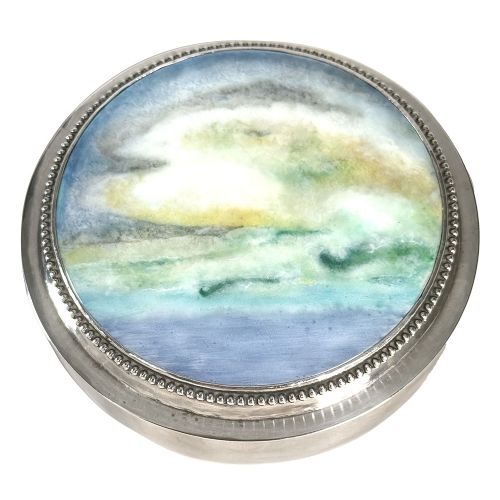
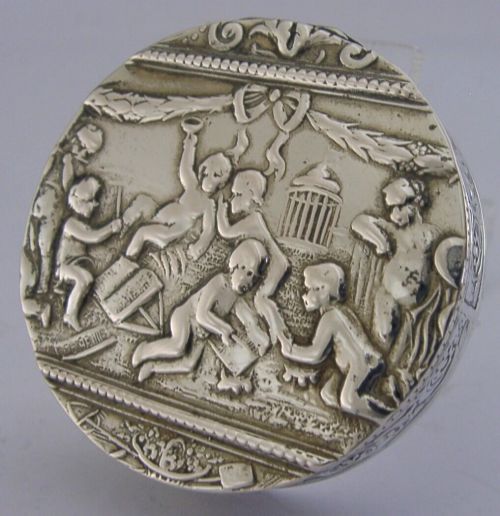
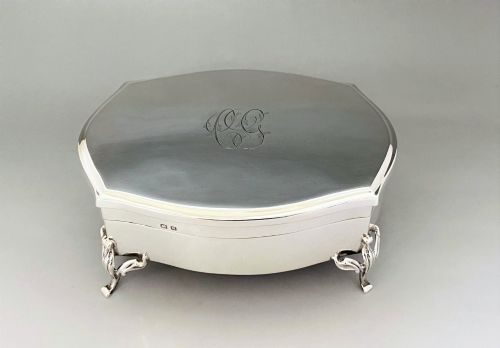
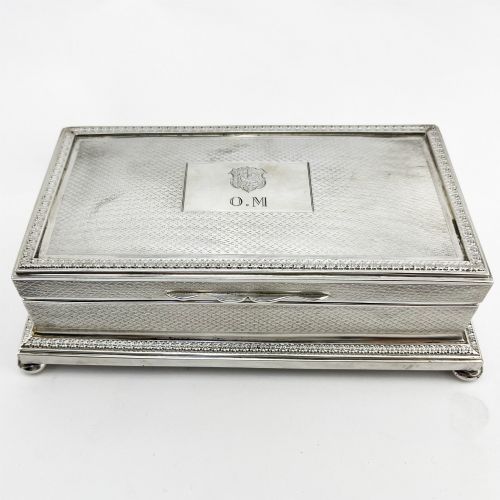
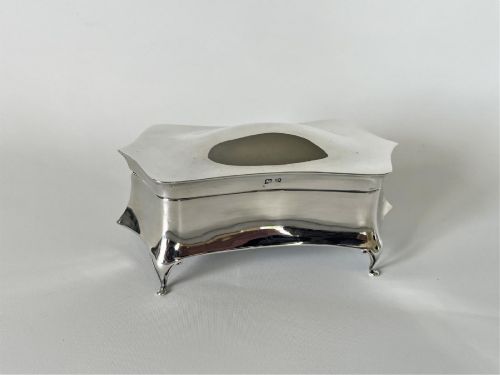
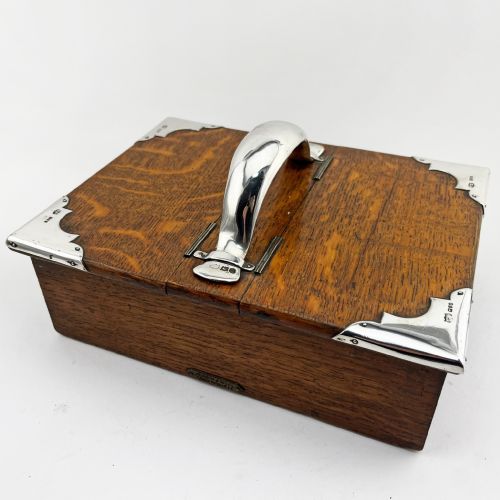
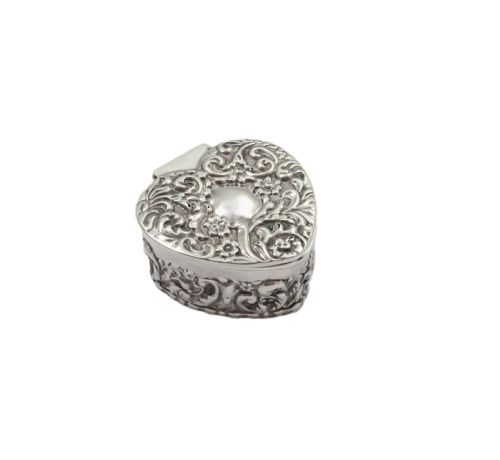
A silver keepsake box edwardian encompasses various forms designed to house jewellery, trinkets, pills, and cigars. These containers range from diminutive heart-shaped receptacles to large fitted caskets intended for dressing tables.
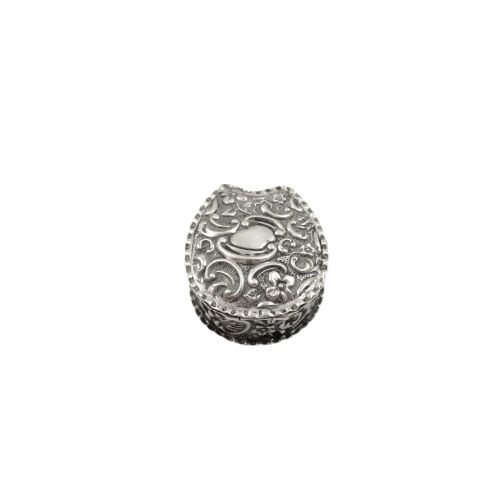
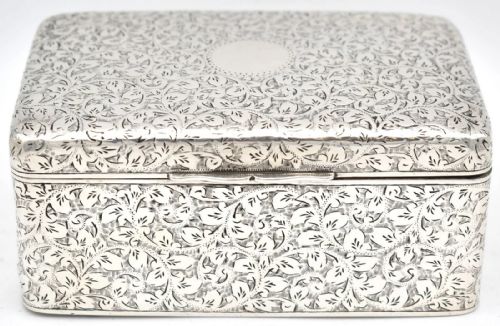
The objects appearing under the search phrase span several decades, featuring pieces created during the Edwardian era alongside Victorian, George V, and Arts and Crafts examples. Heart shapes, fitted interiors, and engraved floral scrolls frequently recur across the selection.
Materials and construction
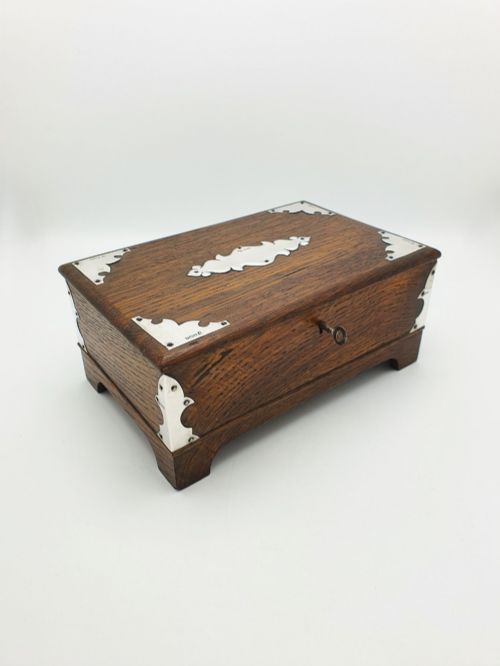
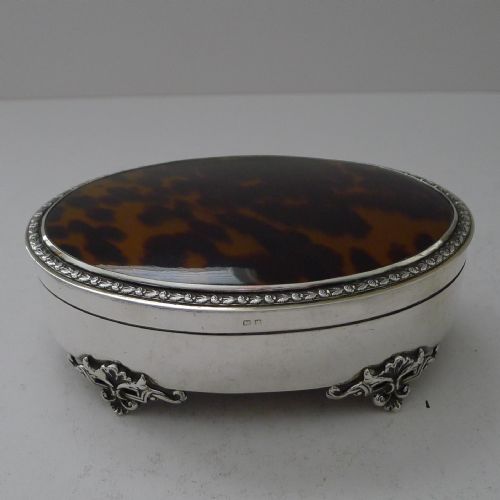
Sterling silver and solid silver form the primary structural bodies, often paired with organic materials such as tortoiseshell and oak. Wood elements provide sturdy internal lining or external housing, complemented by silver mounts.
Surface decoration relies on hand beating, floral scroll engraving, and silver gilt applications. Arts and Crafts examples utilise hammered finishes, while others incorporate inset amethyst stones or ebonised wood details.
Some heart-shaped trinket boxes were designed to hold romantic tokens rather than mere buttons.
Distinguishing quality
The distinction between tiers rests upon the weight of the metal and the precision of the decorative work. Crispness in floral scroll engraving and substantial gauge sterling silver elevate a piece.
Internal fittings also differentiate examples, where silk or velvet linings remain intact alongside fitted compartments. Maker participation from established silversmiths further marks out superior specimens.
Mappin and Webb·A and J Zimmerman Ltd·Walker and Hall·Omar Ramsden·Deakin and Francis
The Silver Keepsake Box Edwardian Glossary
- Sterling silver
- An alloy comprising silver and other metals, standardly stamped to denote high purity. This material forms the primary body of many trinket and jewellery boxes.
- Silver gilt
- Silver covered with a thin layer of gold on the interior or exterior surface. This technique provides a rich, warm tone to snuff and tobacco boxes.
- Tortoiseshell
- The mottled brown shell of certain turtle species used historically for decorative panels. It provides a striking contrast when inlaid with sterling silver mounts.
- Pill box
- A small lidded container originally intended for carrying medicinal pills. These items frequently display heart shapes or engraved motifs.
- Pot pourri box
- A decorative container pierced with holes to release scent while holding dried plant material. These vessels share forms with standard jewellery and trinket boxes.
Silver Keepsake Box Edwardian: Frequently Asked Questions
What were Edwardian silver boxes used for?
These containers served practical domestic functions on dressing tables and desks, storing rings, necklaces, and keepsakes. Gentlemen also utilised them for cigars, cigarettes, and snuff.
Smaller variants held personal medications such as pills, keeping them secure and portable in a pocket or handbag.
How do I clean a silver box?
Maintenance requires a soft microfiber cloth and a reputable silver polish formulated to remove tarnish without harming the metal. Gentle rubbing preserves engraved floral scrolls and hallmarks.
Avoid applying liquid cleaners directly to tortoiseshell, oak, or fabric linings, as moisture damages organic components and glued interiors.
Are these boxes made of solid silver?
The listings feature a mixture of sterling silver, solid silver, and silver plated items. Many containers combine silver elements with wooden bodies like oak or ebonised wood.
Examining the hallmarks stamped onto the metal helps determine the exact composition and origin of each individual piece.
How can I tell the period?
Dating relies on hallmarks, maker marks, and stylistic indicators associated with the Edwardian, Victorian, and George V eras. Arts and Crafts pieces display distinct hand-beaten textures and simpler geometric or natural motifs.
Incorporate details such as tortoiseshell inlays and Rococo Revival styling alongside documented silversmith operating dates to narrow down the decade of creation.