


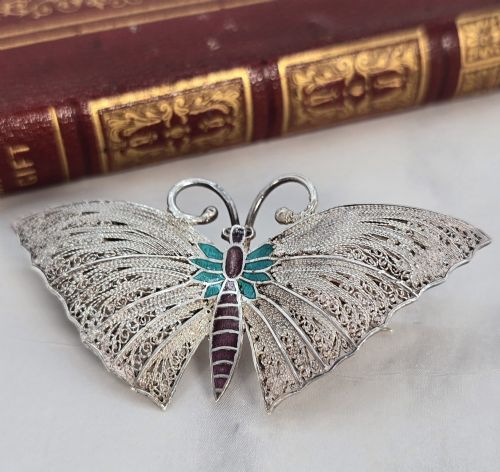


Silver Insect Badge
A silver insect badge is a small decorative fastener shaped like a creature, offering a tangible link to past periods of design.
Silver Insect Badge
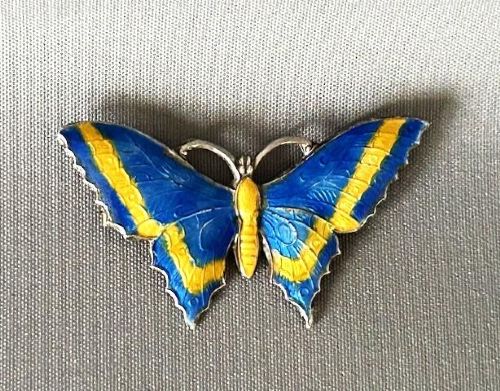
A silver insect badge takes the form of brooches and pins depicting creatures such as butterflies, dragonflies, frogs, lizards, and scarabs. These items appear across periods including the Victorian, Edwardian, and Art Deco eras, as well as the mid-century decades. The butterfly motif emerges frequently in the available forms.
Makers utilised various stylistic approaches for these insect pieces, ranging from Art Nouveau curves to geometric Art Deco lines and mid-century Scandinavian designs. The origins span domestic workshops and continental makers. Collectors encounter these items primarily as wearable ornaments fashioned from silver.
How they were made
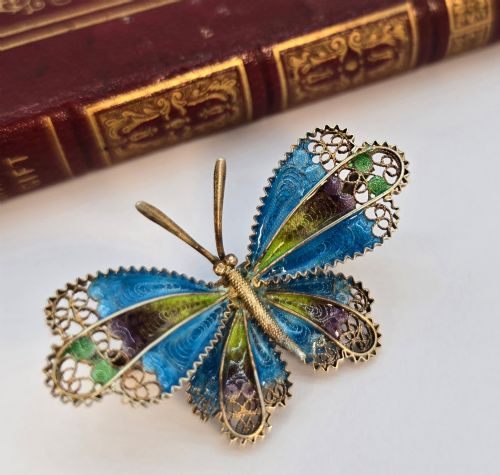
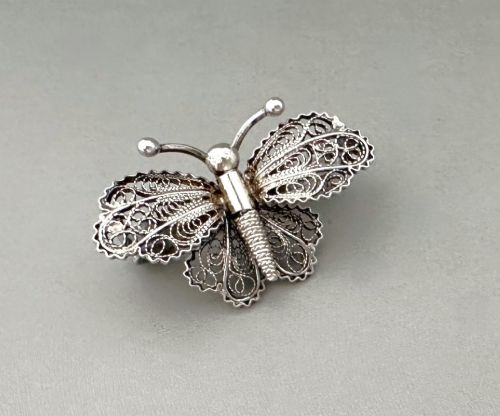
Craftsmen shaped these brooches from sterling silver, silver gilt, and pewter, often applying intricate filigree wirework to define wings and bodies. Enamel work introduced vibrant colour to the metal surfaces, while marcasite stones provided glittering texture.
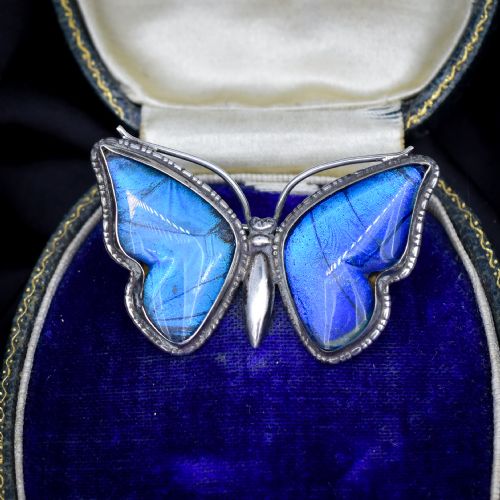
Specialised materials such as butterfly wing and green paste glass appear in specific pieces to mimic natural iridescence and jewel tones. Metal components were soldered or set to secure stones and glass elements within the silver framework.
Silver Insect Badge Retail Price Guide 2026
Typical asking prices for silver insect badge among the pieces listed under this phrase on Sellingantiques today, from the lower quarter to the upper quarter. They describe what is for sale here now, not the wider market.
Frogs made of silver and marcasite sit quietly among the butterflies, waiting for someone to pin them to a lapel.
What varies in quality
The precision of the silver filigree work and the depth of the enamel application distinguish finer examples from standard production. Superior pieces exhibit careful hand-finishing on the insect anatomy and secure setting of stones.
The integration of delicate materials like butterfly wing requires advanced skill to preserve the fragile medium within the silver mount. Details such as the hand-cut facets of green paste or the lustre of silver gilt elevate the piece.
The Silver Insect Badge Glossary
- Silver gilt
- Silver that has been coated with a thin layer of gold. This treatment provides a warm golden tone while retaining the underlying silver structure.
- Marcasite
- Small faceted pyrite stones set into silver to resemble diamonds. These stones add sparkle to the body and wings of insect brooches.
- Filigree
- Fine wirework soldered into open patterns. Artisans used this technique to create lightweight and intricate insect wings.
- Paste
- Cut and polished glass used to imitate gemstones. Green paste appears in specific lizard and insect designs for colour.
- Butterfly wing
- Natural wing material preserved under glass. This technique creates iridescent blue and turquoise effects on vintage butterfly brooches.
Silver Insect Badge: Frequently Asked Questions
What periods do these silver insect brooches come from?
The available pieces span the Victorian, Edwardian, and Art Deco periods, alongside items from the 1950s and 1960s. Styles range from organic Art Nouveau curves to clean Mid-Century Scandinavian lines.
Specific dates recorded in the inventory include the 1920s and 1930s, showing how popular insect motifs remained across consecutive decades.
What materials are used in these pins?
Makers relied primarily on silver, sterling silver, and silver gilt to form the structure of the insects. Enamel, marcasite, and pewter also appear frequently in the construction.
Selected pieces incorporate unusual elements like green paste glass or genuine butterfly wing beneath glass to achieve naturalistic colour and shine.
How were these insect badges worn?
These items function primarily as brooches and pins designed to fasten or adorn garments. Historical wearers pinned them to lapels, collars, and hats as decorative accents.
The secure pin mechanisms allowed the small silver creatures to sit firmly on fabric during daily use.
How can I tell different styles apart?
Art Nouveau examples feature flowing, naturalistic lines inspired by plants and insects. Art Deco pieces display geometric symmetry and stylised forms typical of the 1920s and 1930s.
Mid-century items often show cleaner, more abstract interpretations of creatures, particularly within Scandinavian designs.