




Silver Hollowware Service
These silver hollowware service pieces bring historical elegance to the table, offering lasting utility and timeless style for any dining room.
Silver Hollowware Service
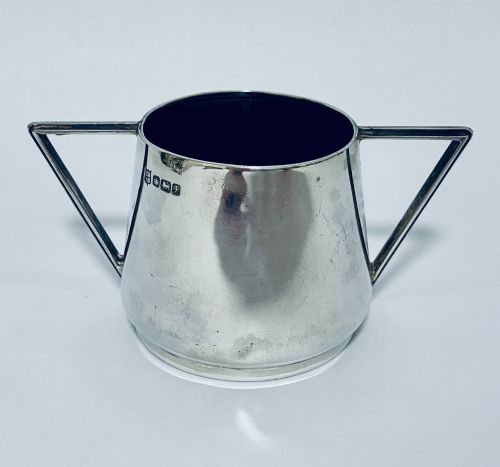
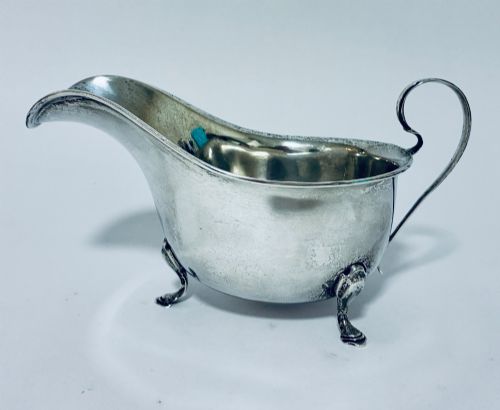
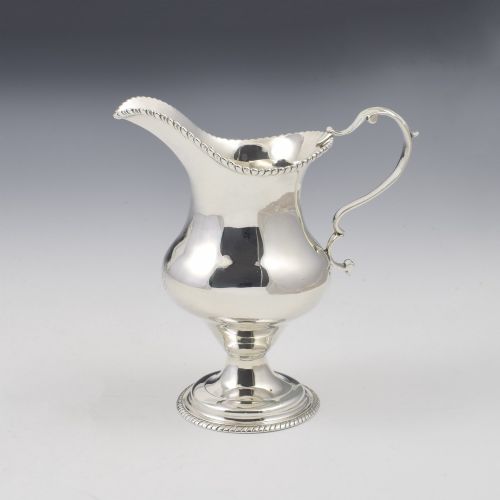
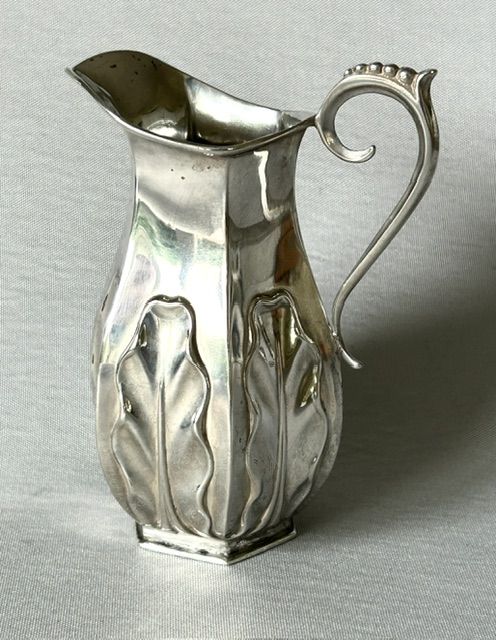
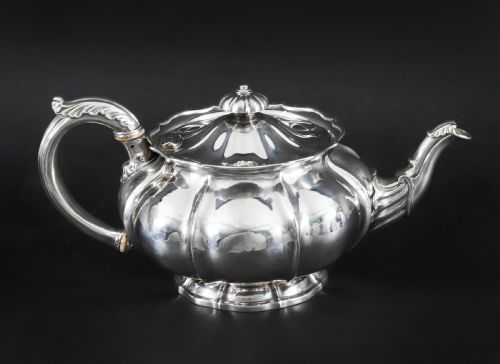
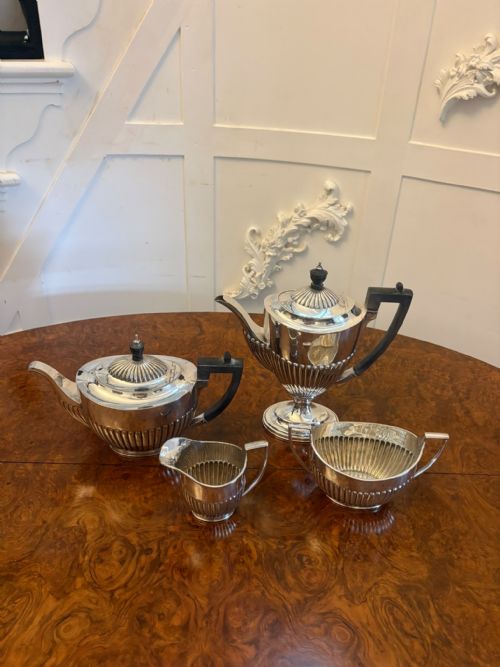
A silver hollowware service comprises functional vessels designed for beverage and sauce preparation, featuring items like teapots, coffee pots, cream jugs, and sugar bowls. These pieces derive from periods ranging from the Georgian era through to the Art Deco movement and the 1920s.
The most common items found within these collections are cream jugs and multi-piece tea and coffee sets. Buyers frequently encounter both sterling silver and silver-plated configurations spanning the nineteenth and twentieth centuries.
Forms vary from restrained Georgian neoclassical revivals to ornate Victorian naturalist designs and geometric Art Deco statements. Each piece reflects the domestic rituals and social hospitality of its specific period of origin.
Evaluating Quality and Design
Quality rests upon the crispness of chased or embossed details, such as ornate grapevine motifs or neoclassical borders, which demonstrate the skill of the silversmith. Heavier gauge metal and balanced weight distribution indicate superior manufacturing standards.
The integration of heat-resistant handle materials like bone or ebony, alongside secure hinges and well-fitted lids, separates standard production items from masterworks. Marks of provenance and clear hallmarks further elevate the standing of individual pieces.
Silver Hollowware Service Retail Price Guide 2026
Typical asking prices for silver hollowware service among the pieces listed under this phrase on Sellingantiques today, from the lower quarter to the upper quarter. They describe what is for sale here now, not the wider market.
Stalker and Mitchison·Paul Storr·George Fox·Birmingham Silversmiths Company
The Silver Hollowware Service Glossary
- Hollowware
- Tableware items such as kettles, teapots, and jugs that are hollow in construction rather than flat. This category forms the backbone of traditional dining and beverage service.
- Sterling silver
- An alloy consisting of ninety-two point five percent silver and seven point five percent other metals, typically copper. It provides the standard composition for high-quality British domestic silver.
- Old Sheffield plate
- An early form of composite metal made by fusing a thin sheet of silver to a thicker copper base. This technique preceded modern electroplating and remains highly collectable.
- Hallmark
- An official stamp applied by an assay office to indicate the purity of the metal, the maker, and the year of production. These marks provide definitive historical context for antique pieces.
- Chasing
- A metalworking technique where the silversmith hammers designs into the front surface of the metal from the outside. This pushes the metal inward to create raised decorative relief patterns.
Silver Hollowware Service: Frequently Asked Questions
What is included in a tea service?
A standard tea service generally comprises a teapot, a cream jug, and a sugar bowl, occasionally accompanied by a matching coffee pot. Larger configurations expand to include hot water kettles and dedicated tea trays.
These collections were designed to coordinate visually, sharing consistent stylistic motifs, maker marks, and metal types across every component piece.
How do I care for sterling silver?
Sterling silver requires gentle washing with warm water and mild soap, followed by immediate drying with a soft, lint-free cloth. Regular use naturally prevents heavy tarnish accumulation.
Avoid abrasive cleaners and harsh chemical dips that can strip away fine chasing and damage organic handle components like bone or ebony.
What is the difference between sterling and plate?
Sterling silver is solid precious metal all the way through, marked with official assay office symbols denoting its high silver purity. Silver-plated items consist of a base metal, such as copper or a white metal alloy, coated with a thin layer of silver.
Both varieties offer exceptional visual appeal, though solid sterling carries intrinsic precious metal value and greater longevity under heavy daily use.
How can I date an antique jug?
Dating relies heavily upon the presence of official hallmarks, which record the assay office, date letter, and maker's mark. Stylistic indicators, such as neoclassical urn shapes or Art Deco geometric lines, provide additional chronological context.
Construction methods, including the type of handle insulation and base seaming, also help determine whether a piece originates from the Georgian, Victorian, or Edwardian periods.