

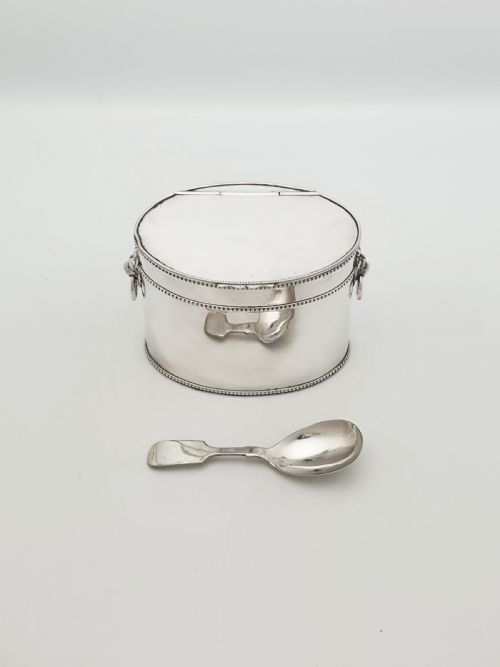


Silver Handle Tea Caddy
These silver handle tea caddy pieces bring refined utility to the table, combining polished metals with functional forms that collectors prize.
Silver Handle Tea Caddy
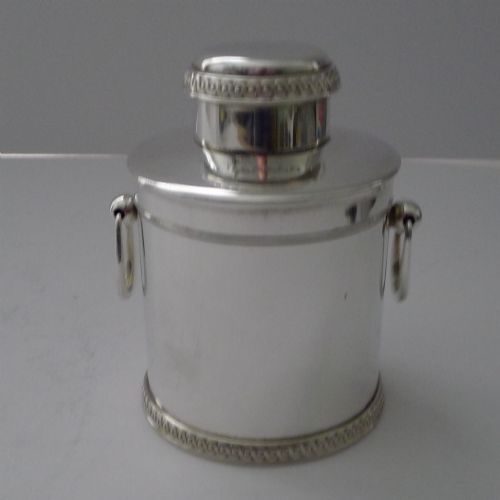
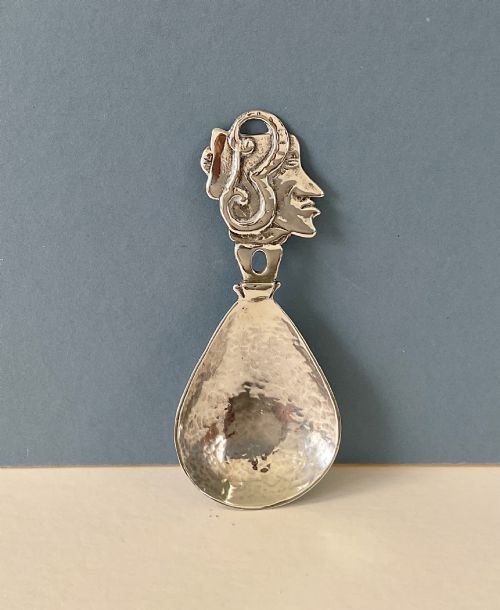
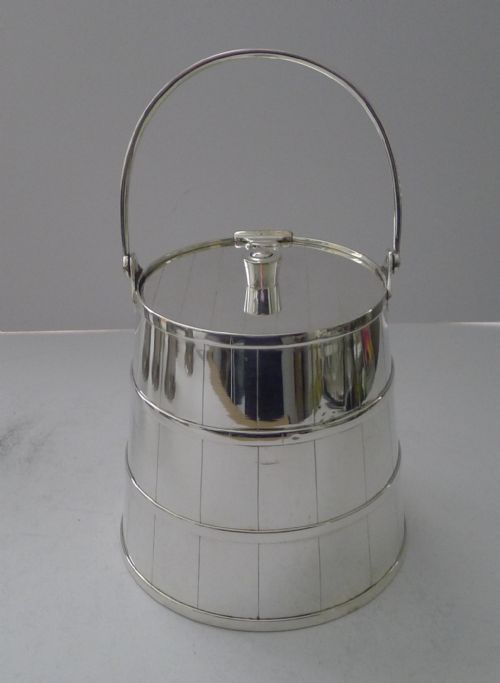
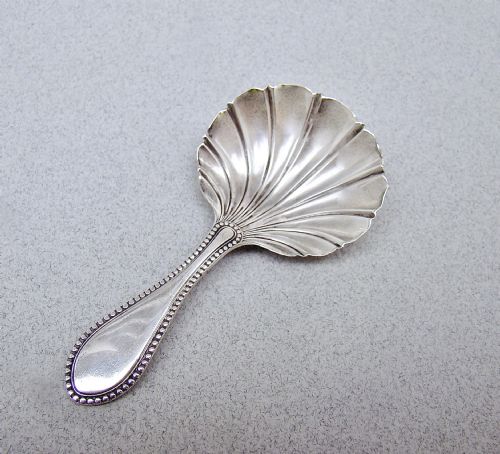
When you search for a silver handle tea caddy, you encounter a selection spanning the Georgian, Victorian, Edwardian, and later periods up to nineteen forty. The listings on this page include tea caddies, canisters, caddy spoons, biscuit barrels, and related tea collectables.
You are most likely to meet Edwardian or Victorian examples alongside Georgian sterling silver pieces and silver plated novelties. Makers such as Martin Hall and Co appear among the caddy spoons, while materials range from sterling silver and silver plate to earthenware and ebony.
How they were made
Makers shaped these objects using sterling silver, silver plate, metal, earthenware, and ebony, often incorporating decorative details like lion mask handles and repousse work. Craftspeople employed traditional techniques of engraving and casting to form shells, bowls, and figural shapes such as weights.
Surface ornamentation on tea caddies and spoons reflects the prevailing aesthetics of Arts and Crafts and Art Nouveau styles. The integration of metal handles onto ceramic bodies or the shaping of solid silver spoons demonstrates careful domestic metalwork.
Silver Handle Tea Caddy Retail Price Guide 2026
Typical asking prices for silver handle tea caddy among the pieces listed under this phrase on Sellingantiques today, from the lower quarter to the upper quarter. They describe what is for sale here now, not the wider market.
One piece takes the shape of a heavy metal weight, hiding its biscuit contents beneath a deceptive disguise.
What varies in quality
Quality rests on the crispness of the repousse decoration, the weight of the silver or silver plate, and the integrity of any applied handles. Pieces with distinct hallmarks, maker marks, and well-preserved engraving stand apart from plainer utilitarian items.
The aesthetic ambition of the design, whether an Arts and Crafts spoon or an Edwardian tea caddy with lion masks, dictates the refinement of the finished piece. Harmony between material, such as ebony or earthenware, and the metal components defines the better examples.
Martin Hall and Co·Carlton Ware
The Silver Handle Tea Caddy Glossary
- Sterling silver
- A silver alloy containing ninety-two point five percent pure silver by mass, standard for quality British tableware.
- Silver plate
- A layer of silver applied to a base metal core, common in Victorian and Edwardian novelty items.
- Repousse
- A metalworking technique where the artisan hammers the design from the reverse side to form a raised relief on the front.
- Caddy spoon
- A small spoon specifically designed for measuring loose tea leaves from a caddy into a teapot.
- Biscuit barrel
- A covered ceramic or metal container used for storing biscuits on the dining table or tea table.
Silver Handle Tea Caddy: Frequently Asked Questions
What is a tea caddy?
A tea caddy is a container designed to store tea leaves safely away from light and moisture.
Historically, these vessels held precious leaves under lock and key in wealthy households.
How do I date a silver caddy spoon?
Silver caddy spoons often carry official hallmarks indicating the assay office, date letter, and maker.
Comparing these stamps against reference tables reveals the exact year of production.
Were caddy spoons used daily?
These small spoons served a precise domestic function during tea preparation.
Servants and hosts utilised them to portion loose tea leaves accurately into the pot.
How do I care for antique silver?
Antique silver requires gentle cleaning with non-abrasive cloths to preserve the original finish.
Storing pieces in a dry environment prevents excessive tarnishing over time.