

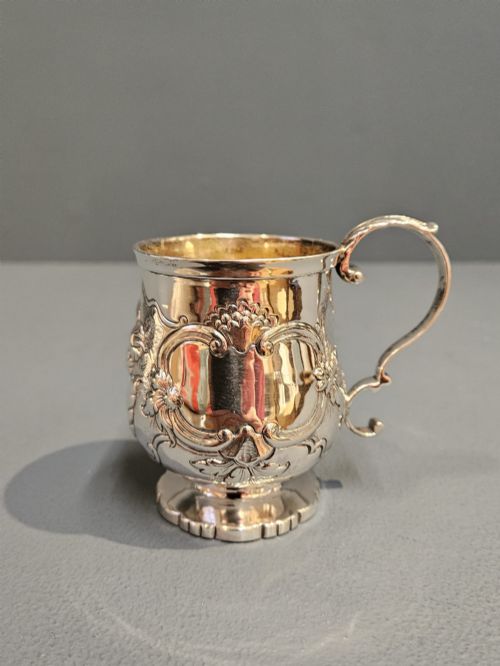
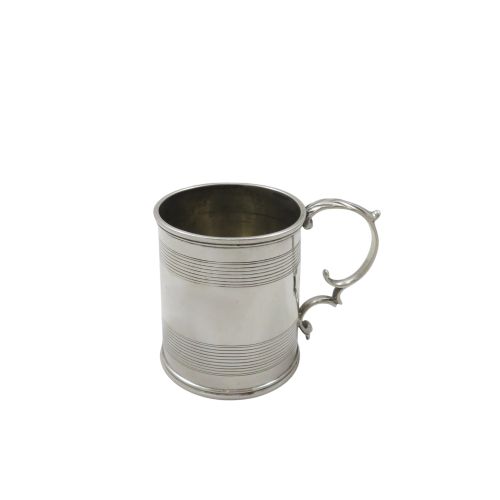
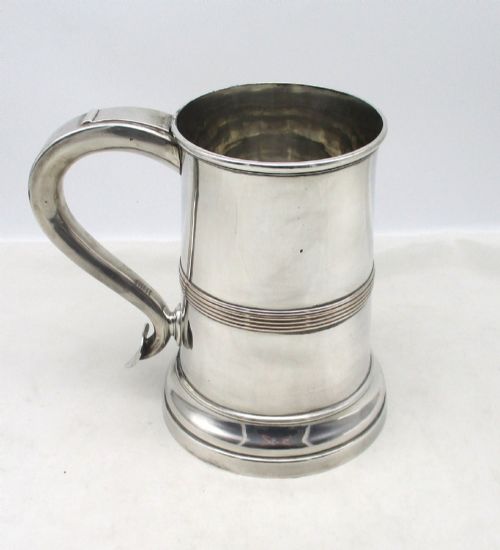
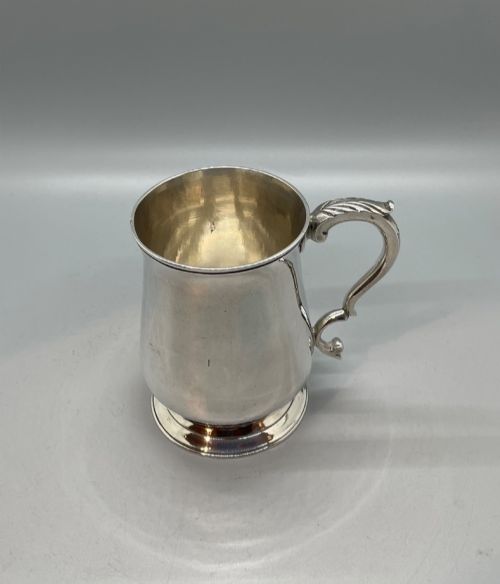



Silver Handle Tankard
A silver handle tankard brings historic weight and robust craftsmanship to the table, offering a tangible link to centuries of social drinking and commemoration.
Silver Handle Tankard
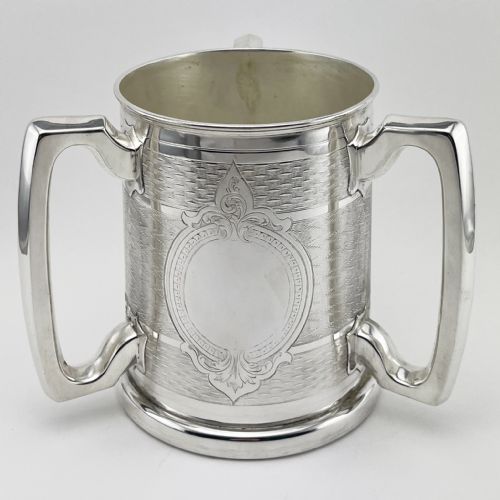
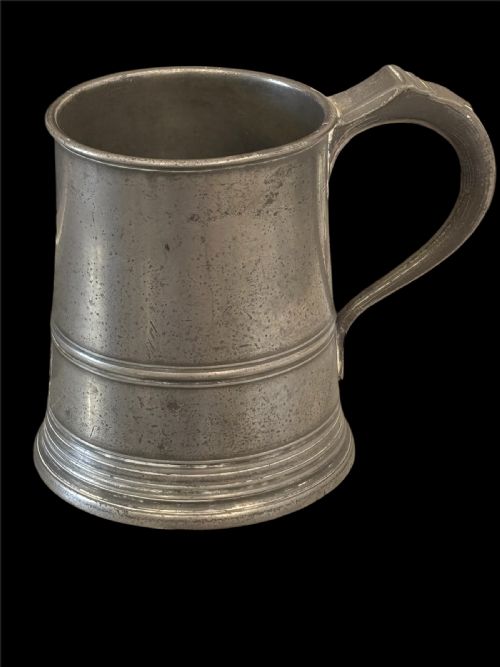
When you search for a silver handle tankard, you encounter a robust drinking vessel designed for ale, beer, or ceremonial use. These pieces bridge domestic utility and formal display, spanning eras from the Georgian period through to the early twentieth century.
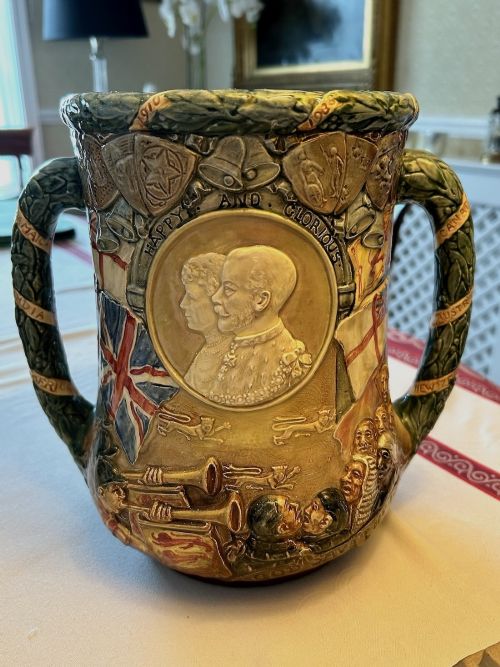
The versions you meet most frequently on this page combine traditional ceramic, glass, or plated bodies with distinct metal handles. They appear under various descriptions including mugs, loving cups, harvesters, and tygs, reflecting their diverse historical uses.
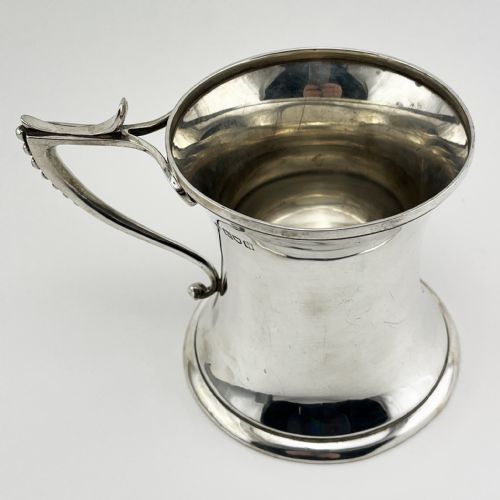
Origins stretch from eighteenth-century workshops to Edwardian factories, capturing shifts in social habits from communal loving cups to personal christening mugs. Each form retains the sturdy proportions necessary for regular handling and substantial toast-drinking.
How they were made
Makers utilised sterling silver, solid silver, and silver plate alongside Old Sheffield Plate to construct the primary body or mountings. Copper, stoneware, earthenware, and glass also form the vessels, often finished with gilt interiors or detailed mounts.
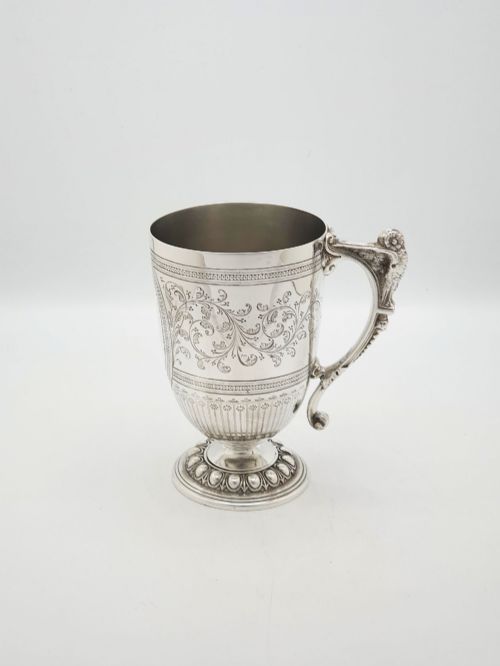
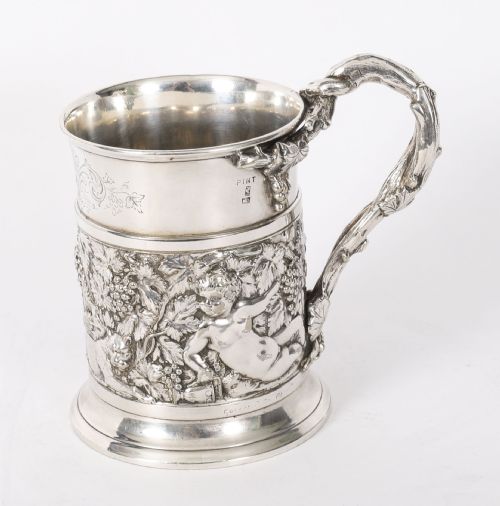
Techniques combine metalworking with ceramic arts, visible in embossed and engraved decorations applied to the silver surfaces. Handles are securely soldered or mounted, sometimes taking whimsical forms like owls or scrolling shapes attached to ceramic bodies.
Silver Handle Tankard Retail Price Guide 2026
Typical asking prices for silver handle tankard among the pieces listed under this phrase on Sellingantiques today, from the lower quarter to the upper quarter. They describe what is for sale here now, not the wider market.
What varies in quality
The distinction between standard domestic items and superior pieces lies in the crispness of the chasing, engraving, and embossing. Heavier gauge metalwork and balanced proportions indicate higher workshop standards during production.
The integration of the handle with the main body demonstrates maker skill, particularly when combining mixed materials such as silver mounts upon stoneware or cut glass. Hallmark clarity and known maker attribution elevate the standing of individual vessels.
G R Collis·Royal Doulton·Doulton Lambeth·Florence E Barlow·George Ernest Hawkins
The Silver Handle Tankard Glossary
- Sterling Silver
- An alloy consisting of 92.5 percent silver by mass, widely utilised for British domestic silverware.
- Old Sheffield Plate
- A composite material formed by fusing a thin layer of silver to a copper base, prevalent before electroplating.
- Tyg
- A large drinking vessel featuring multiple handles, traditionally used for passing around a company during toasts.
- Loving Cup
- A large drinking vessel equipped with two or more handles, designed to be shared among guests.
Silver Handle Tankard: Frequently Asked Questions
How were silver handle tankards used?
These vessels served primarily for consuming ale and beer in homes, taverns, and ceremonial gatherings. Loving cups and tygs were passed between guests during communal toasts.
Smaller examples functioned as christening gifts or commemorative presentation pieces marking significant personal and national milestones.
What materials make up these tankards?
Bodies consist of sterling silver, silver plate, Old Sheffield Plate, stoneware, earthenware, or cut glass. Handles and rims are typically formed from silver or plated metals to provide a sturdy grip.
Interior surfaces sometimes feature a gilt wash to protect the metal from acidic beverages.
How do I date a silver tankard?
Hallmarks stamped onto the silver components provide the most accurate dating evidence, indicating the assay office, year letter, and maker's mark. Stylistic clues such as Georgian scrollwork or Edwardian proportions also help narrow the era.
Ceramic and glass bodies rely on factory marks, glaze types, and decorative styles typical of their period.
How should I display a tankard?
These vessels suit placement on sideboards, open shelving, or dedicated display cabinets where their reflective metal surfaces and varied forms catch the light. Ensure they sit safely away from direct heat sources.
Their substantial weight allows them to be displayed securely without requiring specialised stands.