

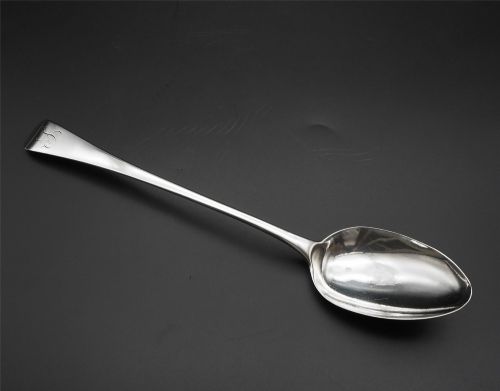
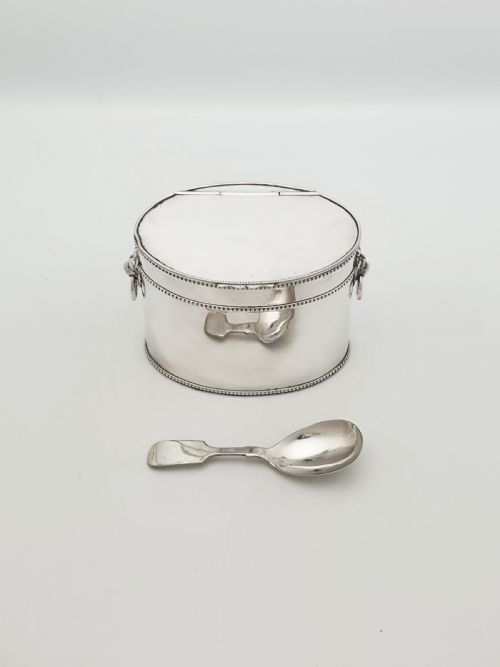


Silver Handle Spoons
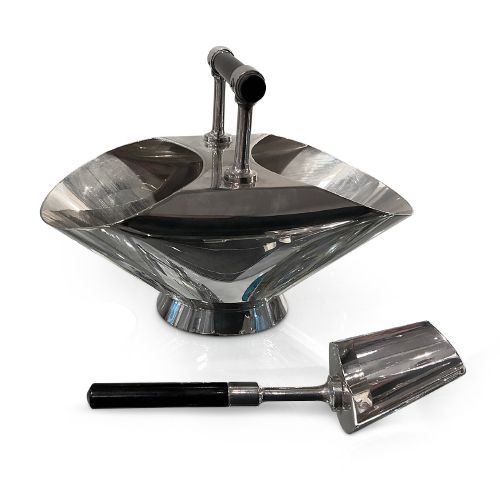
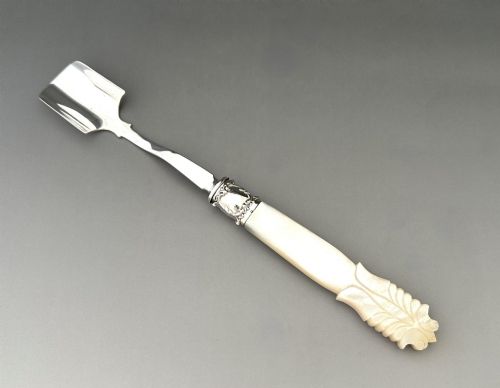
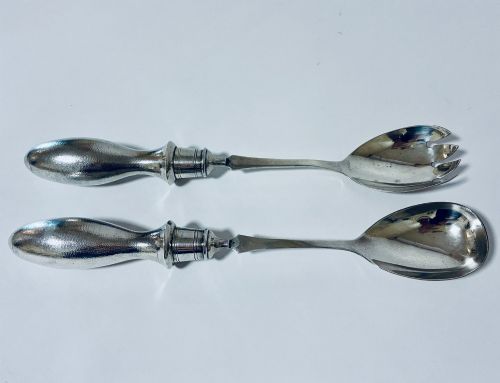
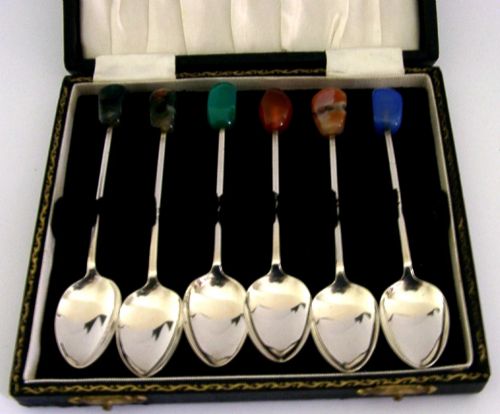
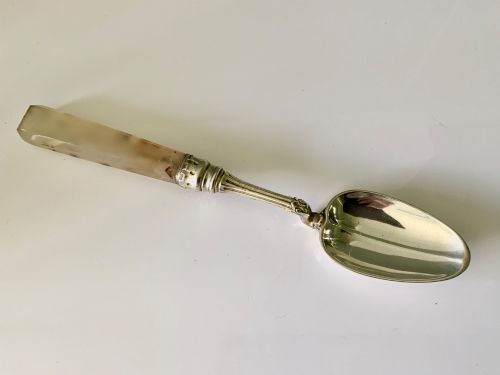
Silver handle spoons bring character to the table, pairing precious metal bowls with contrasting grips of agate, wood, and horn.
Silver Handle Spoons
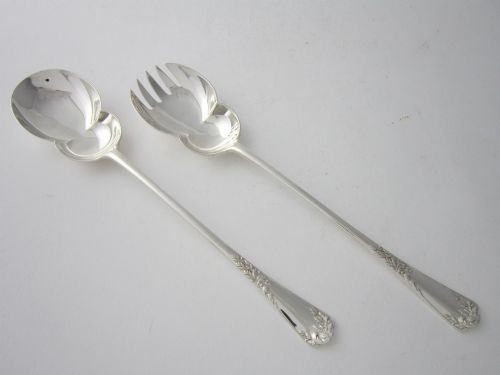
Silver handle spoons encompass a diverse range of serving and dining utensils, including caddy spoons, basting spoons, salad servers, and condiment ladles. When searching for silver handle spoons, buyers encounter pieces spanning multiple eras, from the Georgian period through the Victorian, Edwardian, and Art Deco years up to mid-century modern designs.
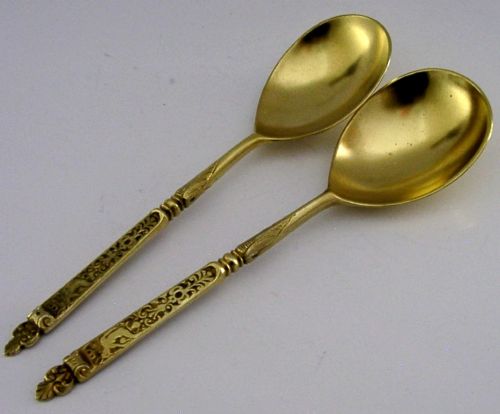
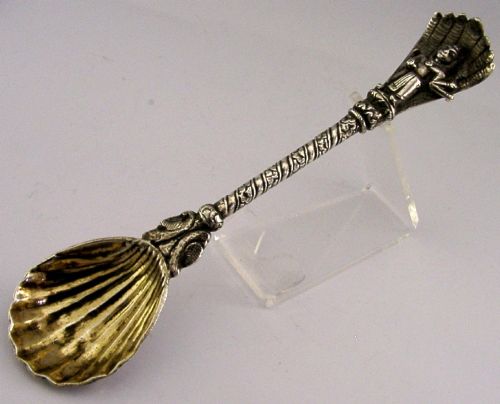
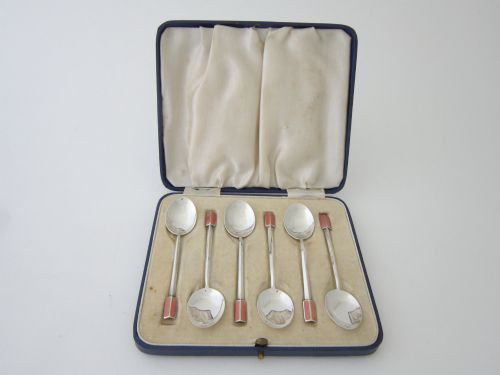
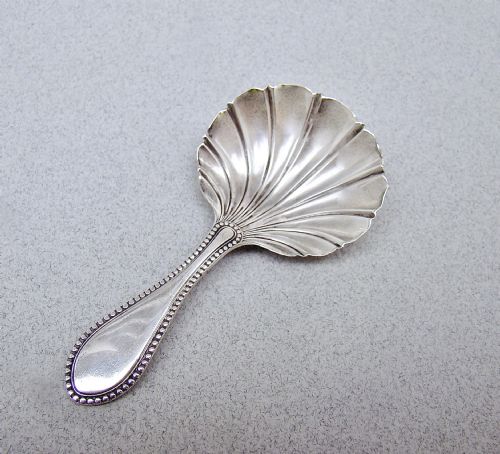
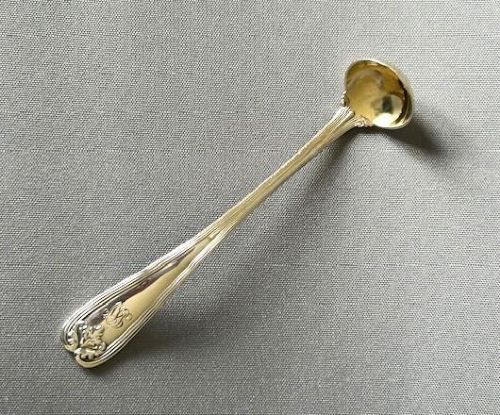
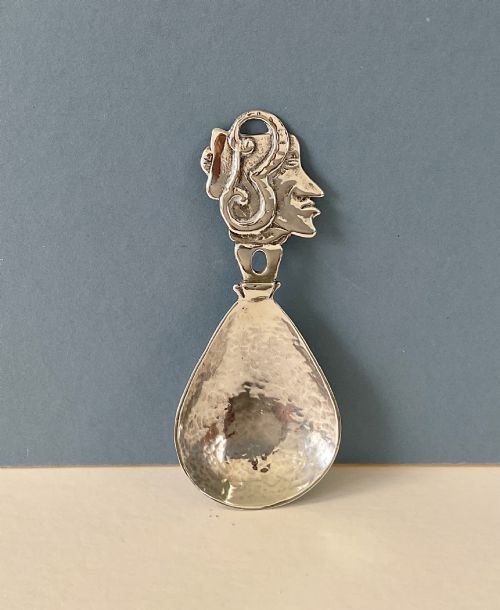
The most common variants on this page include sterling silver caddy spoons, serving utensils, and long-handled condiment ladles. These pieces range from restrained Georgian shell patterns to elaborate Victorian silver gilt berry spoons and geometric Art Deco coffee spoons with enamel.
Makers and regional workshops from Sheffield, London, and international origins such as Denmark contribute to the variety. Handles frequently incorporate organic or decorative elements like agate, wood, and enamel alongside the solid metal work.
How they were made
Silversmiths utilised sterling silver and silver plate for the bowls and structural mounts, shaping them through traditional hammering, casting, and piercing techniques. Handles were formed from distinct materials including natural agate, carved wood, and horn, then securely joined to the metal components.
Engraving and chasing added surface detail to the bowls and handles during the Georgian and Victorian eras, while later periods introduced coloured enamel and minimalist mid-century silhouettes. Gilding was occasionally applied to create silver gilt finishes, particularly on berry spoons and condiment ladles.
Silver Handle Spoons Retail Price Guide 2026
Typical asking prices for silver handle spoons among the pieces listed under this phrase on Sellingantiques today, from the lower quarter to the upper quarter. They describe what is for sale here now, not the wider market.
An eighteenth-century toddy ladle allows you to stir your evening drink with a genuine piece of Georgian history.
What varies in quality
The distinction between standard utility items and exceptional pieces rests upon the crispness of the handle carving, the depth of the bowl chasing, and the integrity of the join between handle and bowl. Superior examples display harmonious proportions where organic materials like agate or wood are expertly shaped to complement the silver.
Maker marks and clear hallmarks contribute significantly to the standing of a piece, indicating provenance from established workshops such as Martin Hall & Co or makers like George Adams. The retention of original gilding, vibrant enamel work, and unpolished maker engravings further separate fine specimens from mass-produced wares.
Martin Hall & Co·George Adams·Amy Sandheim·Judy·Jowika
The Silver Handle Spoons Glossary
- Sterling silver
- An alloy containing 92.5 percent silver by mass, with the remainder usually copper. This standard composition provides the durability required for functional cutlery.
- Silver gilt
- Silver that has been coated with a thin layer of gold on its surface. This technique was frequently applied to the interiors of bowls or decorative berry spoons.
- Caddy spoon
- A short-handled spoon specifically designed for measuring loose tea leaves from a caddy. These often feature shell-shaped bowls and engraved handles.
- Basting spoon
- A large serving spoon used in the kitchen or at the table for pouring juices over meat. They represent some of the heaviest flatware produced in the Georgian era.
- Condiment ladle
- A small spoon with a deep bowl used for serving sauces, mustard, or relish. They often accompany mustard pots and salt cellars.
Silver Handle Spoons: Frequently Asked Questions
What were silver handle spoons used for?
These utensils served specific dining and domestic tasks, from measuring tea leaves into caddies to ladling condiments, sauces, and punch. Larger variants like basting spoons and salad servers were designed for communal dining and food preparation.
Smaller pieces such as coffee spoons, condiment ladles, and caddy spoons catered to specialised table customs. Their varied forms reflect the specific requirements of formal dining across the Georgian, Victorian, and Edwardian periods.
How do I date a silver spoon?
Dating relies heavily on the hallmarks stamped into the metal, which indicate the assay office, the maker, and the year of production through specific duty marks and date letters. Stylistic clues such as handle shape, engraving style, and construction methods also help place an item within a specific era.
For instance, neoclassical motifs point towards the late eighteenth century, while geometric enamel work typically indicates an Art Deco origin. Examining the combination of maker marks and decorative style provides a reliable chronology.
How should I care for silver handle spoons?
Maintenance requires gentle cleaning with a soft cloth and specialised silver polish to remove tarnish without abrading the metal surface. Spoons featuring organic handle materials like agate, wood, or horn should be kept away from excessive moisture and immersion in water.
Hand washing with mild soap is essential, as modern dishwashers can damage delicate enamel, loosen fitted handles, and strip silver gilt finishes. Proper storage in anti-tarnish cloth wraps preserves the surface between uses.
Are silver handle spoons durable enough for daily use?
Solid sterling silver and silver plate offer robust construction suitable for regular dining if handled with reasonable care. Items with delicate additions like enamel work or antique caddy spoons are better reserved for occasional use or display.
Sturdier forms such as basting spoons, salad servers, and butter knives easily withstand everyday handling. Consideration should be given to fragile handle materials like thin wood or polished stone when selecting pieces for frequent service.