

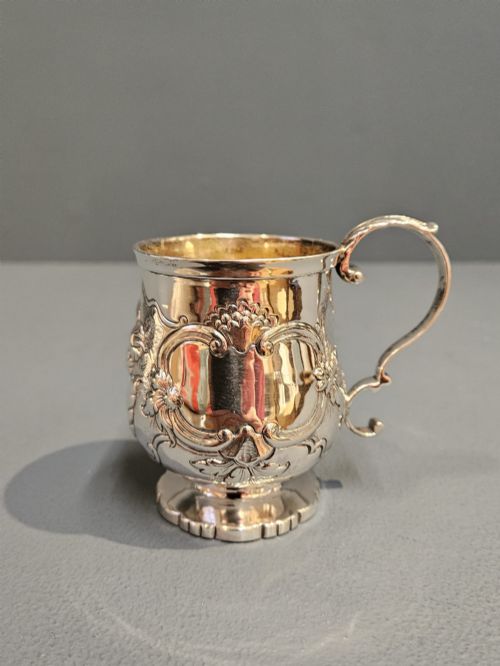
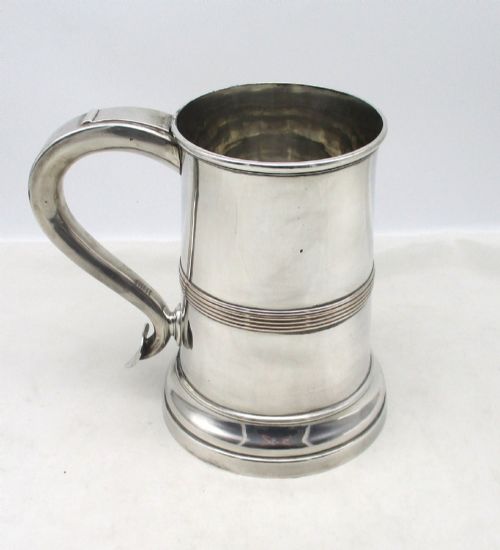
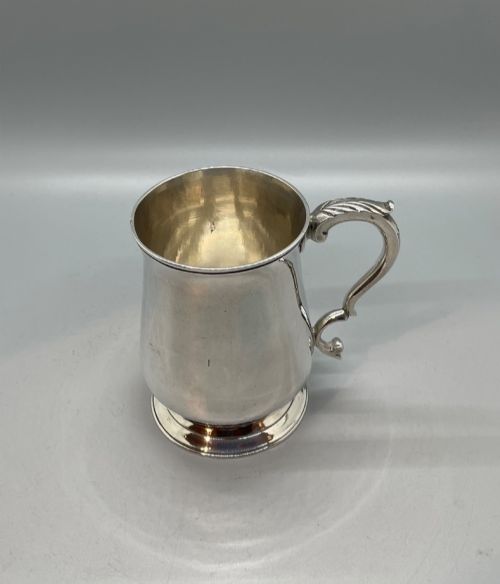
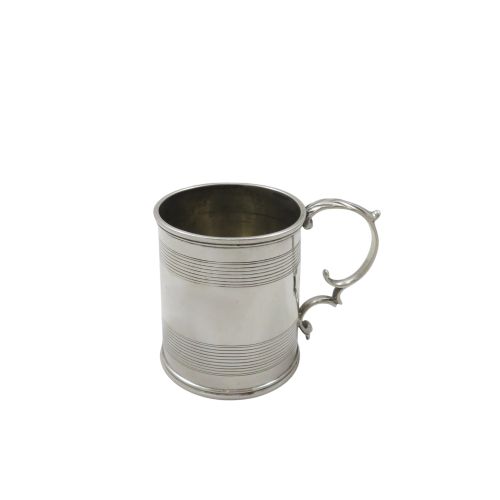


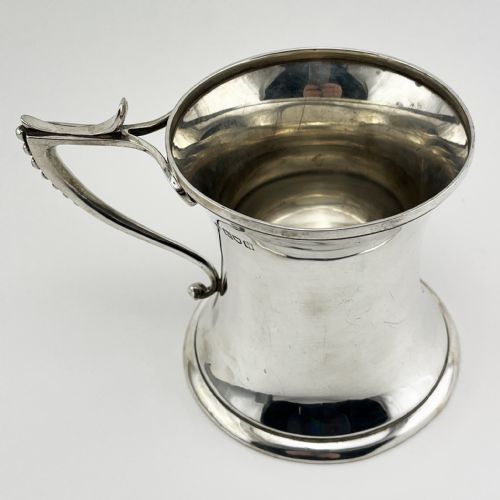


Silver Handle Mug
These silver handle mug pieces combine sturdy ceramic or glass vessels with precious metal fittings, offering a tangible link to Georgian, Victorian, and Edwardian dining tables.
Silver Handle Mug
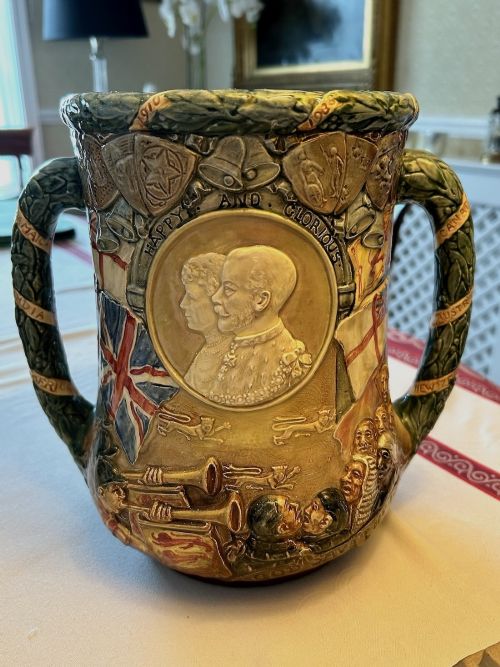
When you search for silver handle mug, you encounter a distinct gathering of drinking vessels that bridge domestic utility and precious metalwork. The selections here range from substantial drinking vessels and commemorative loving cups to intimate christening mugs designed for family milestones.
The material combinations define the category, bringing together glazed ceramic, stoneware, earthenware, and glass with sterling silver, silver plate, Old Sheffield plate, and pewter. These pieces cross multiple eras, spanning the eighteenth, nineteenth, and early twentieth centuries under Georgian, Victorian, and Edwardian aesthetics.
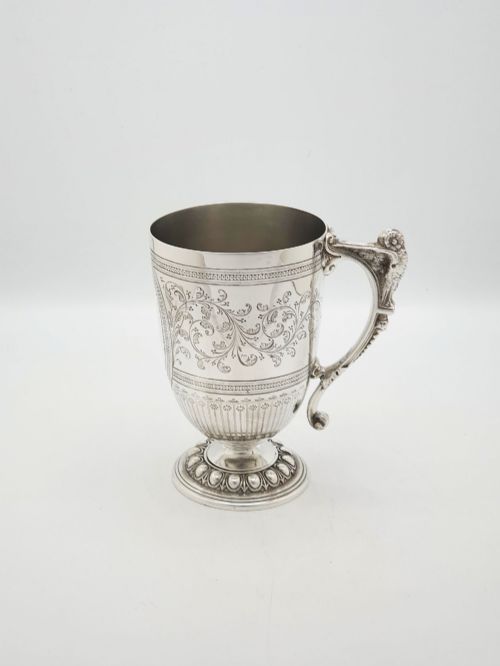
The forms themselves vary from simple domestic cylinders to elaborate baluster shapes, tygs, and harvest cups. Many incorporate specific handle designs, including scroll work, figural elements like owls, and robust mounts that secure the body.
How they were made
The construction relies on marrying durable bodies of stoneware, earthenware, glass, or ceramic with protective and decorative metal components. Silversmiths formed the rims, mounts, and handles from sterling silver, silver plate, or Old Sheffield plate, attaching them securely to the vessels.
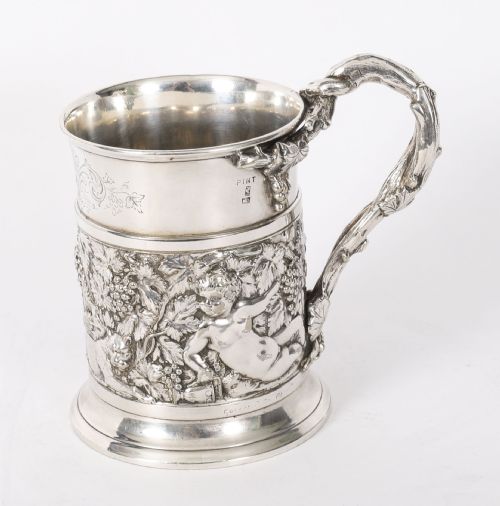
Decoration on the metal components includes hand embossing and detailed engraving, often executed in styles such as Rococo Revival. Ceramic and stoneware bodies frequently display applied salt-glaze finishes, slip decoration, or modelled surface details.
Handles and mounts required precise fitting to support the weight of the vessel, utilising cast or fabricated silver elements soldered to collars and bands that gird the main body.
Silver Handle Mug Retail Price Guide 2026
Typical asking prices for silver handle mug among the pieces listed under this phrase on Sellingantiques today, from the lower quarter to the upper quarter. They describe what is for sale here now, not the wider market.
Listings feature sterling silver, silver plate, Old Sheffield plate, stoneware, earthenware, and glass across periods from the eighteenth century to the twentieth century.
What varies in quality
The standard of silversmithing dictates the upper echelon of these vessels, particularly in the crispness of hand engraving, the weight of the sterling silver, and the harmony of the proportion between handle and body. Pieces bearing clear hallmarks for London, Newcastle, or Birmingham alongside identifiable maker marks command particular attention.
Artistic execution on the ceramic and glass portions sets individual examples apart, especially where hand-painted or hand-tooled decoration by named artists appears on the body. The integration between the metal mounts and the underlying ceramic or glass demonstrates the maker's technical capability.
G R Collis·George Ernest Hawkins
The Silver Handle Mug Glossary
- Tyg
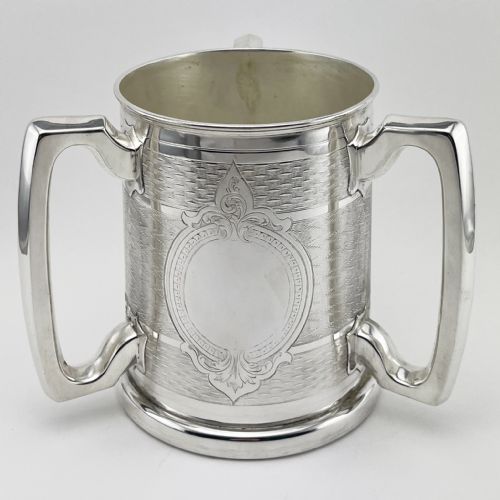
- A large drinking vessel, usually featuring multiple handles to be passed around a company. These ceramic or stoneware pieces often date from the Victorian era and frequently incorporate silver rims or mounts.
- Baluster
- A architectural form describing a vessel with a rounded body tapering to a narrow neck and flared rim. This silhouette appears frequently in eighteenth and nineteenth-century silver mugs.
- Old Sheffield Plate
- A composite material made by fusing a thin sheet of silver to a thicker copper base. This technique preceded modern electroplating and appears on eighteenth and nineteenth-century tankards.
- Loving Cup
- A large communal drinking vessel typically fitted with two or three handles. These celebratory pieces often commemorate royal jubilees or significant civic events.
Silver Handle Mug: Frequently Asked Questions
What is a silver handle mug?
A silver handle mug is a drinking vessel that combines a ceramic, glass, or stoneware body with a precious metal handle, rim, or mount. These pieces range from small christening cups to large tankards and tygs.
They reflect the domestic metalwork and ceramic traditions of the eighteenth, nineteenth, and early twentieth centuries, blending utility with decorative craftsmanship.
How were silver handle mugs used?
These vessels served various functions depending on their form and size. Smaller pieces functioned as personal drinking vessels or christening gifts for children, while larger tankards and tygs served at the table or during communal gatherings.
Commemorative examples were also produced to mark royal jubilees and national events, serving as display pieces as much as functional drinkware.
How do I care for a silver handle mug?
Care requires gentle handling to protect both the metal components and the underlying ceramic, glass, or stoneware body. Silver parts benefit from periodic cleaning with appropriate polishes, avoiding abrasive cloths that might damage engraved details.
Submerging older composite pieces in water for extended periods should be avoided to protect the joints between the metal mounts and the vessel body.
How do I identify the period?
Dating relies on examining the silver hallmarks, which indicate the assay office, city, and year of manufacture for sterling silver elements. Stylistic clues such as Rococo Revival engraving or Edwardian proportions also help place the piece in its era.
The manufacturing techniques, such as the use of Old Sheffield Plate or specific ceramic bodies like Doulton Lambeth stoneware, further narrow down the date of production.