



Silver Hand Glass
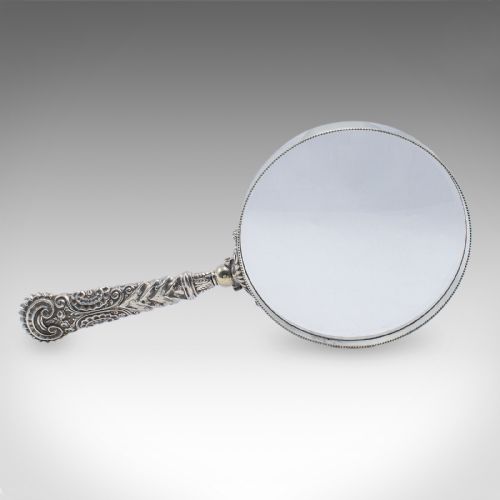
Silver hand glass brings together practical optics and dressing table accessories mounted in sterling silver and silver plate.
Silver Hand Glass
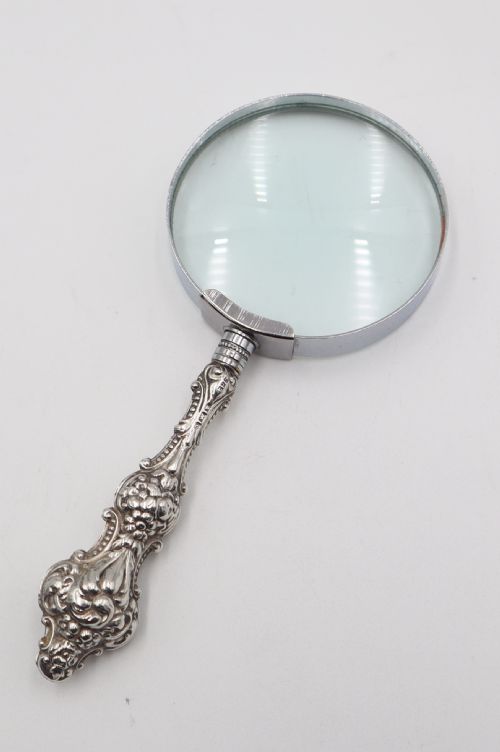
When you search for silver hand glass, you encounter items designed for reading and personal grooming that incorporate glass and silver elements. These pieces cross several periods, spanning Victorian, Edwardian, and Art Deco eras.
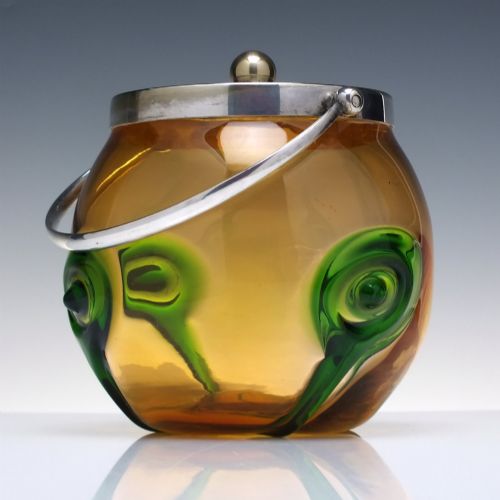
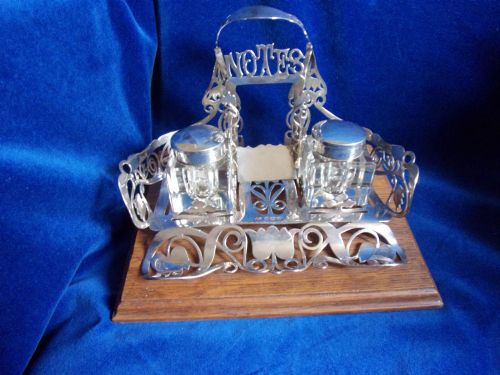
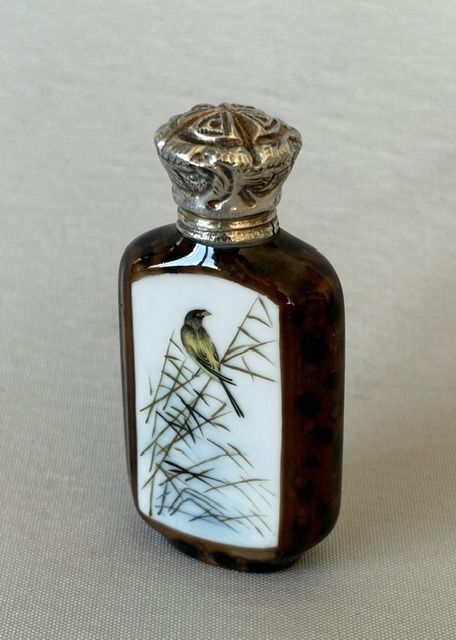
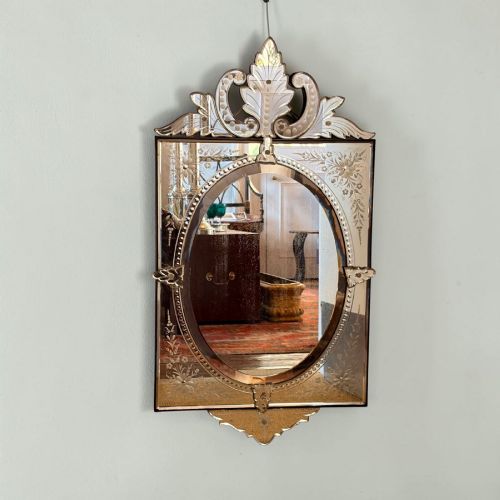
Magnifying glasses and hand-held mirrors dominate the selection on this page, often paired with decorative mounts in sterling silver or silver plate. The variety extends to desk accessories and decorative glass vessels fitted with metal collars.
How they were made
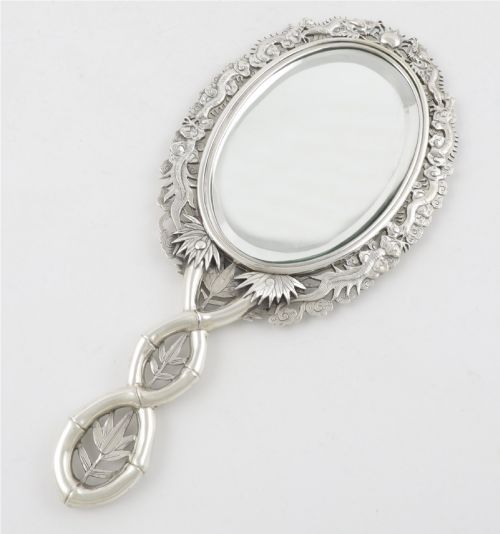
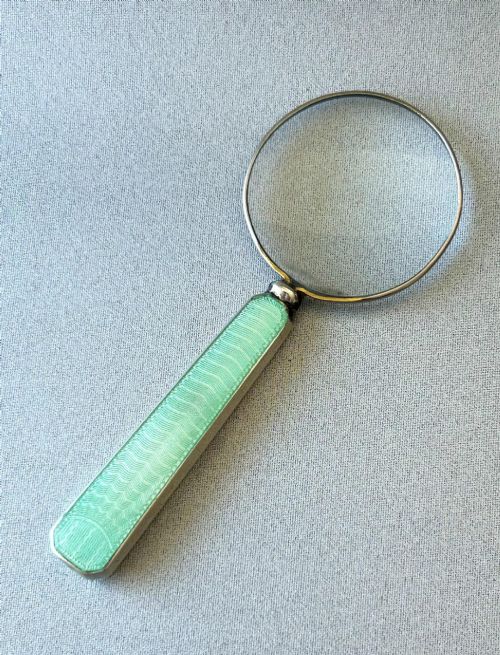
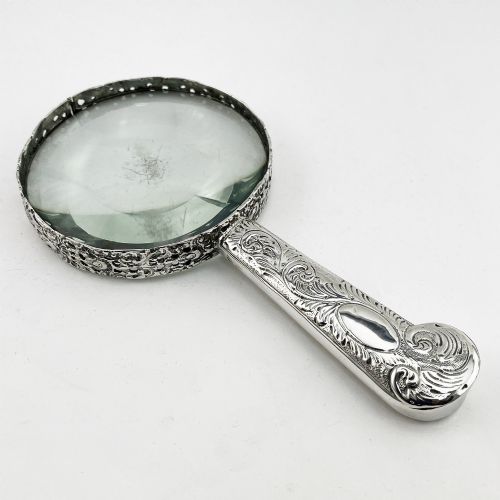
Makers combined blown or cut glass bodies with mounts fashioned from sterling silver, silver plate, and base metals. Handles and frames frequently show repoussé decoration, fretwork, or colourful guilloche enamel panels.
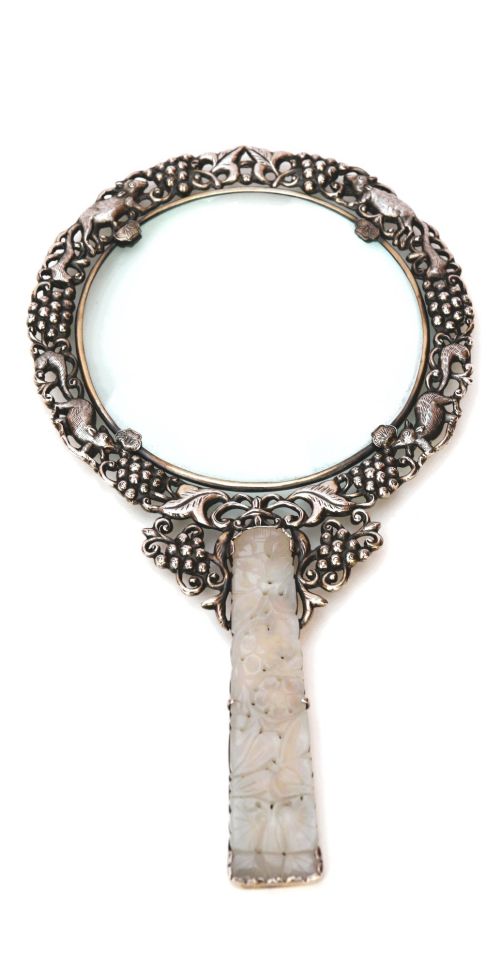
Certain pieces incorporate organic materials such as bamboo, jade, and shagreen alongside the primary glass and metal components. Enamel painting and hand-painted porcelain plaques appear as decorative embellishments on dressing table jars and magnifying glasses.
Silver Hand Glass Retail Price Guide 2026
Typical asking prices for silver hand glass among the pieces listed under this phrase on Sellingantiques today, from the lower quarter to the upper quarter. They describe what is for sale here now, not the wider market.
Listings feature items from the Victorian, Edwardian, and Art Deco periods, incorporating materials such as silver plate, sterling silver, enamel, and jade.
What varies in quality
The standard of execution in the metalwork and the clarity of the glass determine the distinction between average and superior examples. Crisp detailing in repoussé silver mounts and flawless application of guilloche enamel elevate an object.
Material selection plays a significant part, with sterling silver and hand-cut crystal outranking base metal plate and plain moulded glass. The integration of complementary elements like jade or shagreen also distinguishes finer productions.
Cum Shing·Broadway & Co·P H Vogel & Co·Archibald Knox for Liberty
The Silver Hand Glass Glossary
- Guilloche enamel
- A decorative technique involving precise mechanical engraving beneath translucent enamel layers. This method produces intricate geometric patterns visible on dressing table items and magnifying glass handles.
- Repoussé
- A metalworking method where silver is hammered from the reverse side to form raised relief designs. Victorian craftsmen frequently utilised this technique on mirror backs and desk accessories.
- Standish
- A matched inkstand incorporating inkwells, pen trays, and related desk components. These portable writing aids often sit on wooden bases fitted with silver mounts.
- Shagreen
- Prepared shark or ray skin used to cover small objects and handles. The distinctive pebbled texture appears on Art Deco magnifying glasses.
- Sterling silver
- An alloy consisting of pure silver and other metals, standardised for quality in British silverwork. Items carry hallmarks indicating the assay office and year of production.
Silver Hand Glass: Frequently Asked Questions
What is a silver hand glass?
A silver hand glass typically refers to a hand-held magnifying glass or mirror featuring a silver handle and frame. These items serve both practical functions and decorative dressing table roles.
They appear across various historical periods, combining optical or mirrored glass with hallmarked sterling silver or plated metal mounts.
How do I date a silver magnifying glass?
Dating relies primarily on official silver hallmarks stamped onto the metal mount. These marks indicate the assay office, standard of silver, and a specific date letter.
Stylistic indicators such as Art Deco geometric lines or Victorian repoussé floral motifs also help narrow down the period of manufacture.
Were these pieces used on desks or dressing tables?
Magnifying glasses generally served as reading aids for libraries and desks, while hand mirrors formed part of larger dressing table sets. Many items were manufactured specifically for daily personal use.
Their decorative qualities meant they remained on display when not actively in use.
What materials accompany the glass and silver?
Makers frequently incorporated coloured enamel, hand-painted porcelain plaques, and guilloche decoration into the metal frames. Handles might also utilise organic materials like bamboo, jade, or shagreen.
These supplementary materials help identify specific stylistic movements such as the Aesthetic Movement or Art Deco.