




Silver Hallmarked Match Striker
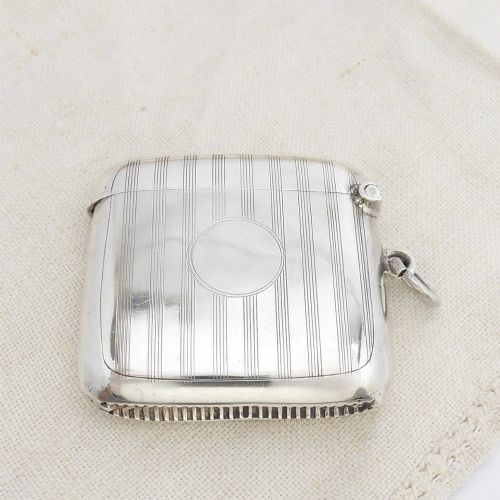
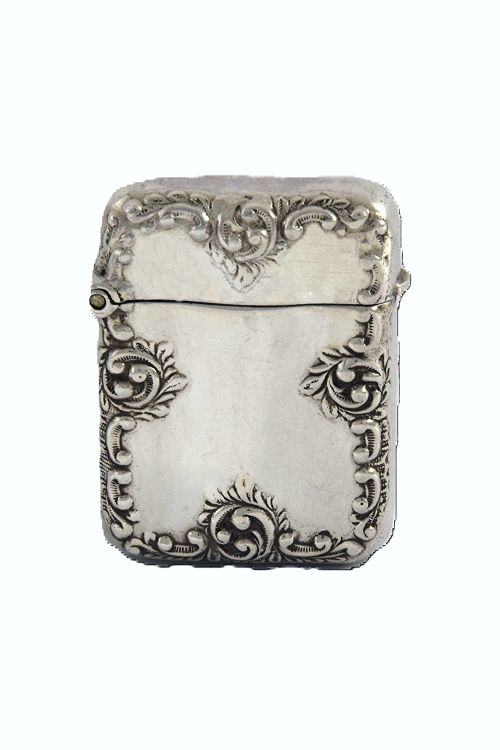
A silver hallmarked match striker is a tactile pocket or desk essential designed for safely igniting matches.
Silver Hallmarked Match Striker
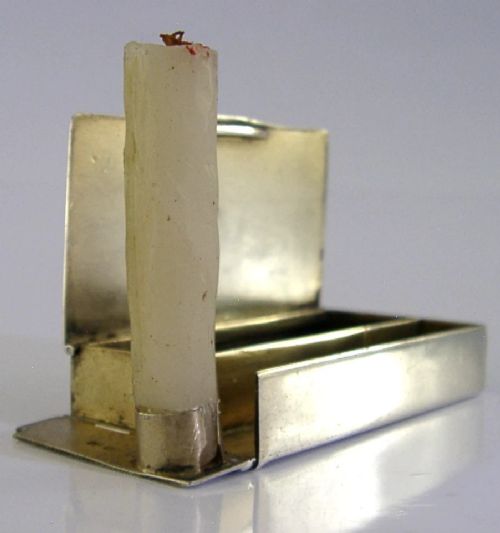
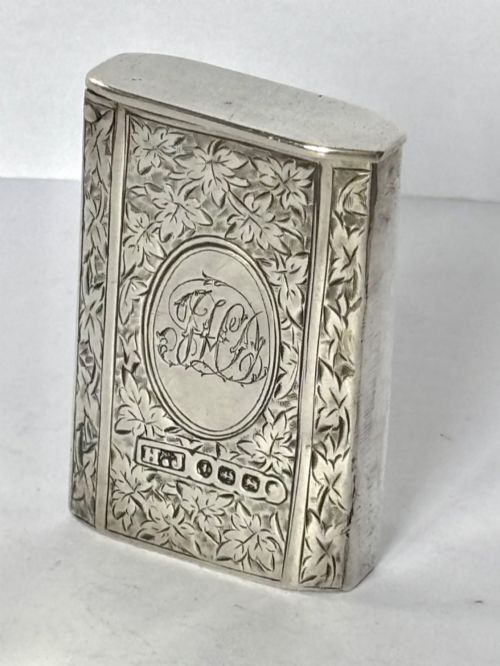
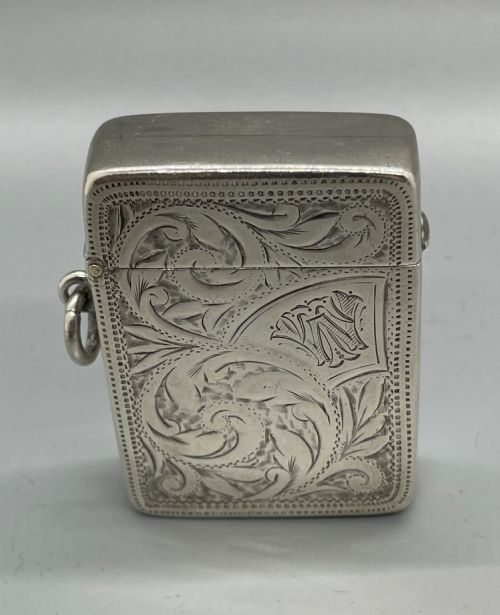
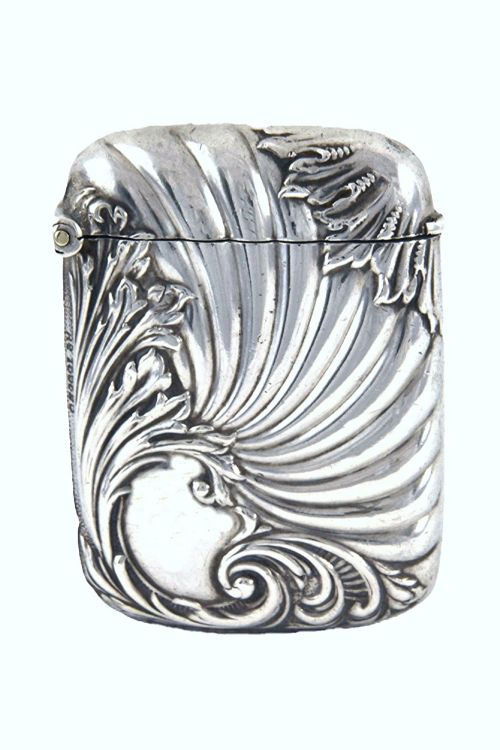
A silver hallmarked match striker brings together functional smoking accessories and small desk pieces from the Victorian, Edwardian, and George V periods. When you search for a silver hallmarked match striker, you encounter compact pocket vesta cases alongside larger glass and silver desk match holders.
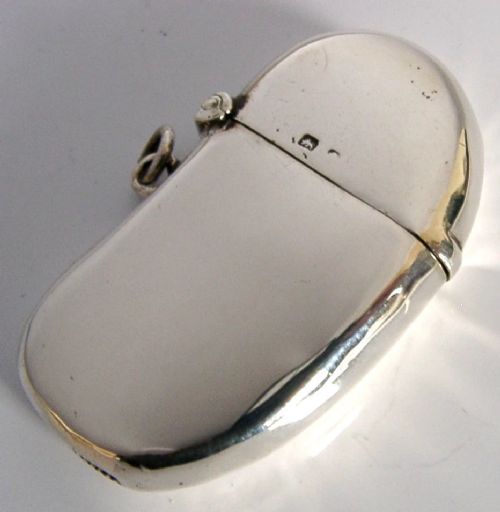
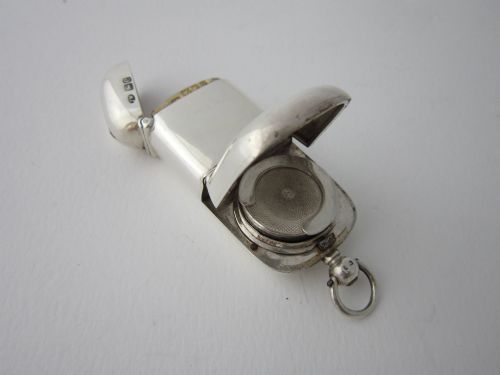
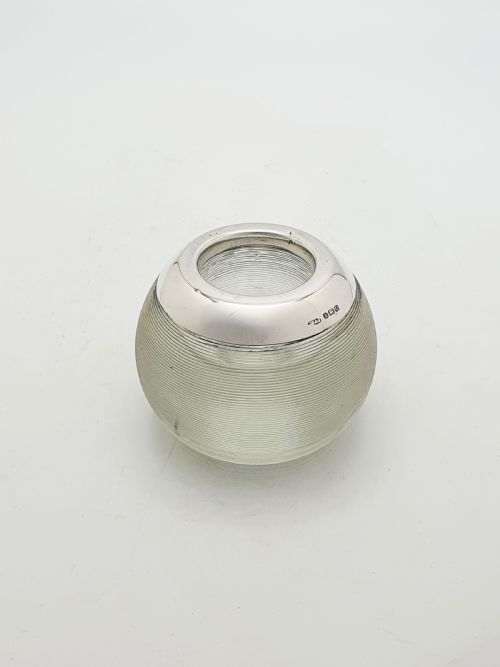
The objects span varied forms, including spherical glass pots, kidney bean shapes, combination sovereign cases, and figural animal designs such as dogs and cats. Most items date from the late nineteenth and early twentieth centuries, bearing hallmarks from assay offices like Birmingham, Chester, and London.
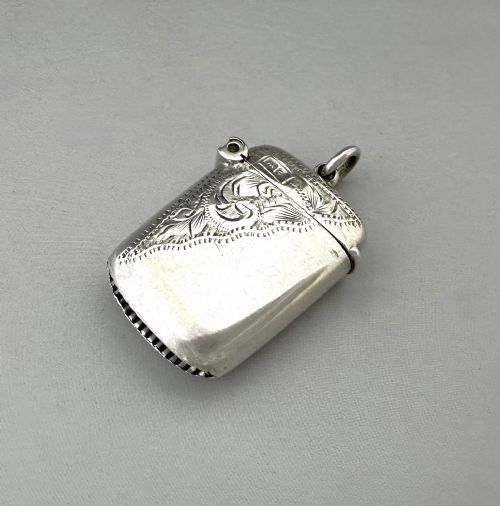
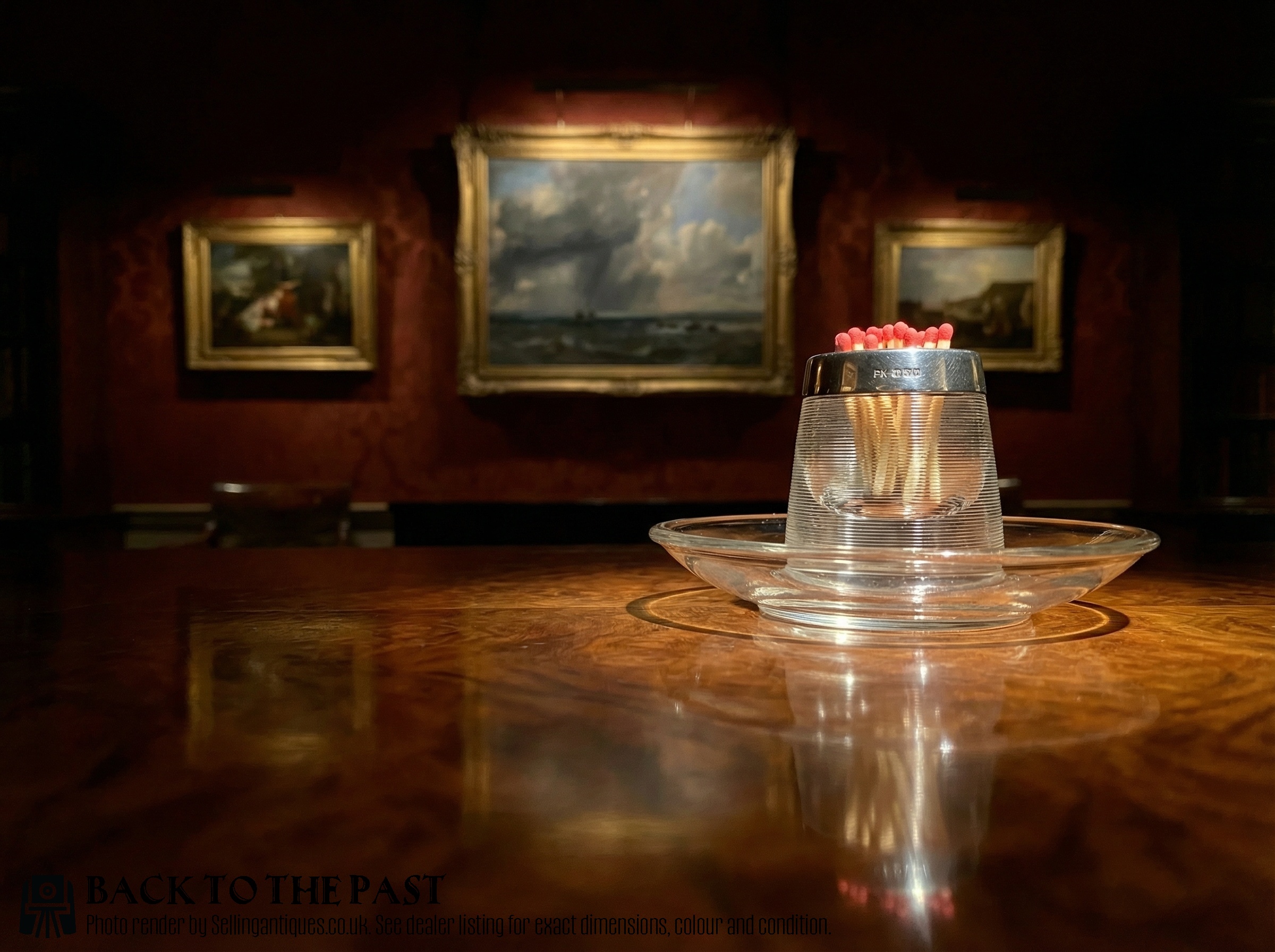
Desk match strikers frequently combine textured glass or onyx bodies with sterling silver mounts designed to strike matches against. Pocket versions, often termed vesta cases, feature integrated strike panels on the base to ignite wax vestas safely while out.
Materials and construction methods
Silversmiths constructed the metal components from sterling silver, shaping sheet metal through stamping, embossing, and hand-engraving. Maker marks and assay hallmarks were stamped directly into the silver to verify the metal purity and origin.
Glass bodies on desk strikers were typically mould-blown or heavy-cut, featuring textured panels or ribbed surfaces specifically formed to create friction for lighting matches. Internal elements occasionally incorporate steel, cotton, and wax tapers.
Among the pocket accessories, a tiny Jack Russell dog head in enamel and a cat shaped vesta await discovery.
Factors influencing quality and craftsmanship
The standard of a silver hallmarked match striker rests upon the crispness of the hallmarks, the weight of the sterling silver, and the complexity of the form. Pieces featuring figural representations or hand-painted enamel details demonstrate superior artisanal skill compared to plain variants.
Condition of the textured striking surface and clarity of the glass or onyx bodies also dictate the overall standard. Crisp detailing on engraved ornamentation and secure, well-fitted hinged lids separate standard pocket vestas from exceptional collector examples.
Howard James Birmingham·William Hair Haseler
The Silver Hallmarked Match Striker Glossary
- Vesta case
- A small pocket container designed to hold matches, known as vestas, featuring a striking surface on the base. These portable cases became widespread during the Victorian era for personal use.
- Hallmark
- An official stamp applied by an assay office indicating the purity of the silver, the maker, and the year of testing. British silver typically displays symbols for the maker, standard, town, and date letter.
- Sterling silver
- An alloy consisting of ninety-two point five percent silver and seven point five percent other metals, usually copper. This standard composition provides durability for functional objects.
- Tinder tube
- A specialised cylindrical pocket accessory used for containing charred material and striking sparks to start a fire. These pre-date standard safety matches.
- Sovereign case
- A small pocket container manufactured to hold gold sovereign coins, frequently combined with vesta compartments for smokers. These double-duty accessories reflect period utility.
Silver Hallmarked Match Striker: Frequently Asked Questions
What is a vesta case?
A vesta case is a small pocket-sized container designed to hold and protect matches, equipped with a rough striking surface on the exterior. Victorians and Edwardians carried them daily to light cigars and pipes.
They evolved as personal accessories with hinged lids and secure closures to keep the matches dry. Many examples feature ornate engraving or figural shapes.
How do you read silver hallmarks?
British hallmarks comprise a series of stamped symbols showing the maker, the silver standard, the assay office city, and the date letter. These marks verify the authenticity and exact year of manufacture.
Reference charts help decode the specific letter fonts and town symbols to trace the piece back to offices like Birmingham, Chester, or London.
Were match strikers used on desks?
Desk match strikers were heavier stationary pieces, typically constructed from textured glass, onyx, or ceramic with a sterling silver collar. They sat in smoking rooms, studies, and dining tables.
The textured surfaces provided the necessary friction to ignite matches conveniently indoors without needing a pocket case.
What periods do these pieces come from?
The available pieces originate primarily from the late Victorian and Edwardian eras, extending into the George V and Art Deco periods. Dates span from the late nineteenth century through the early twentieth century.
Stylistic shifts reflect changing design tastes, moving from ornate Victorian floral engraving to sleek geometric Deco lines.