




Silver Guilloche Pin
A silver guilloche pin brings together engine-turned precision and translucent enamel to catch the light on a lapel or dresser.
Silver Guilloche Pin
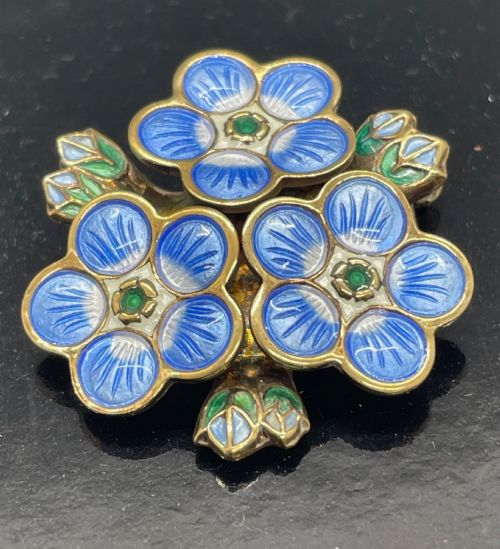
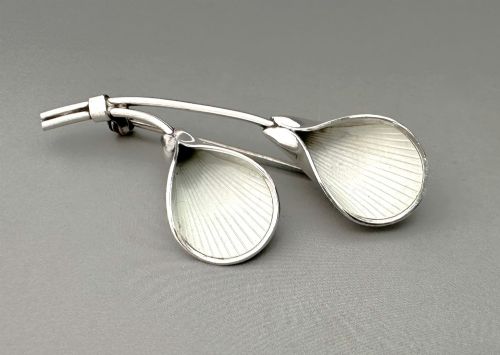
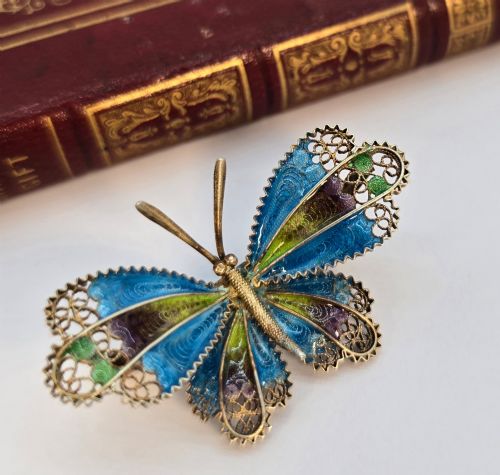
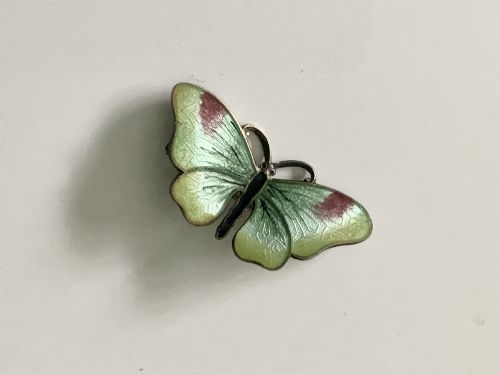
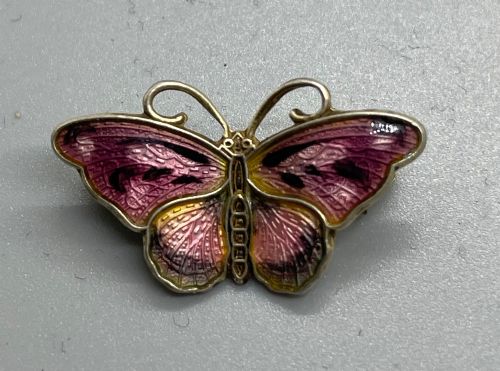
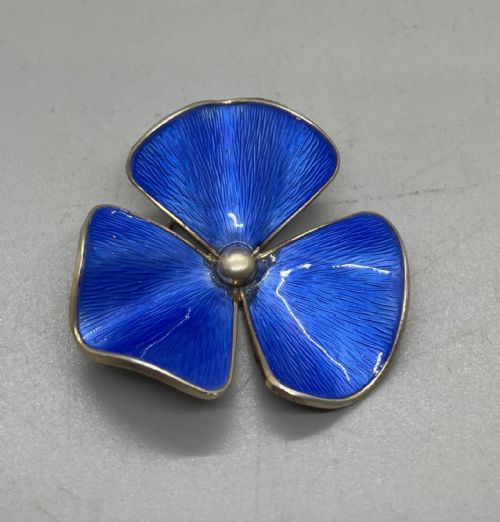
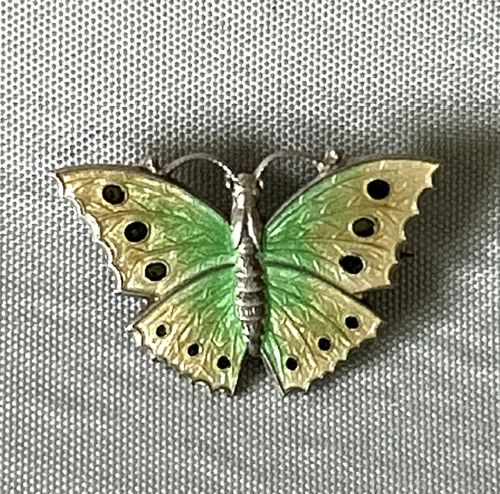
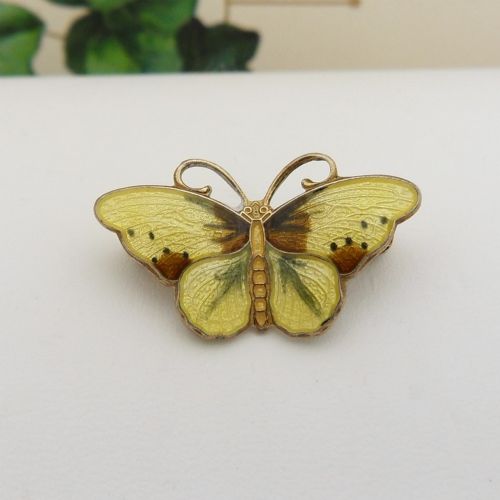
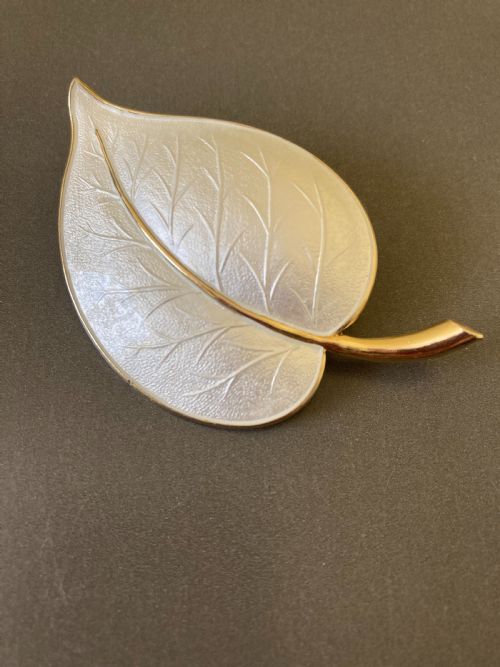
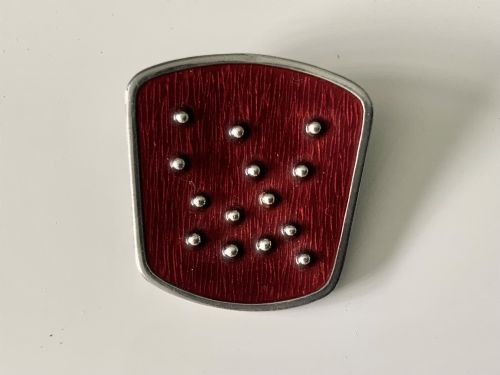
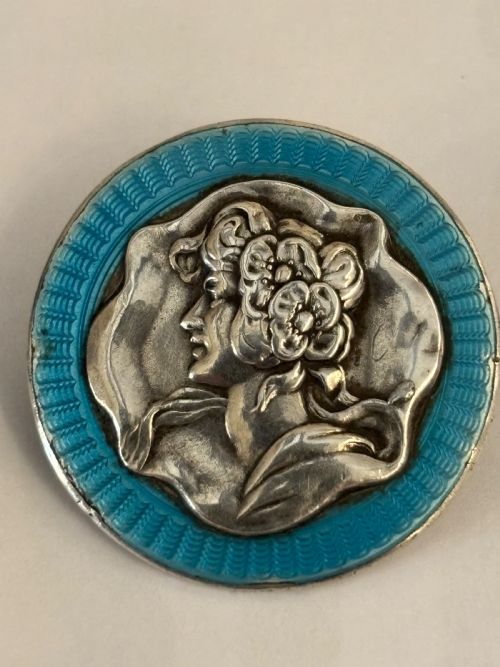
A silver guilloche pin encompasses small fastenings, brooches, and decorative wares produced across the Victorian, Edwardian, and mid-century decades. The selection centres heavily upon small brooches shaped as butterflies, flowers, and birds, alongside dressing table accessories and pin dishes.
Scandinavian workshops contribute a large share of the butterfly and floral brooches in sterling silver and silver gilt, while British makers focus on compacts, pin cushions, and jars. Items range from diminutive Edwardian pansies to mid-century Scandinavian modernist pieces with vibrant enamel work.
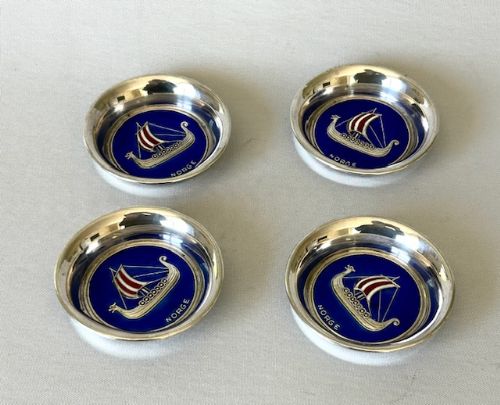
Beyond wearable pins, the category includes functional vanity items such as hand mirrors, letter openers, and powder boxes mounted with enamel panels. These diverse objects share a reliance on mechanical engraving beneath coloured vitreous layers.
How they were made
Craftsmen used a rose engine or straight-line machine to cut precise, repetitive geometric patterns into a silver or silver gilt base. This mechanical engraving, known as guilloche, creates the characteristic shimmering texture that reflects light through the overlying glaze.
Transparent vitreous enamel was applied over the engraved metal in liquid or powdered form and fired in a kiln to fuse the glass to the silver. Multiple firings allowed makers to build depth of colour, particularly in shades of pink, blue, red, and yellow.
Items often incorporated additional decorative elements like marcasite stones, hand-painted floral motifs over the engine-turned ground, or gold vermeil finishes. Sterling silver mounts secured the enamel panels within brooches, compact rims, and jar lids.
Listings feature items spanning the Victorian era through the 1960s, executed in sterling silver, silver gilt, and vitreous enamel.
What varies in quality
The precision and complexity of the underlying machine engraving dictate much of the visual depth, as finer lines produce a more sophisticated play of light through the translucent glaze. Simpler patterns can appear flat, whereas dense, multi-layered geometric cuts create greater iridescence.
The clarity and evenness of the vitreous enamel coating distinguish standard production from superior output. Flawless application without bubbling or cloudiness preserves the crispness of the metallic pattern beneath.
The quality of the silver fabrication and the finesse of any hand-painted details or applied stone settings complete the distinction. Integrated design where the metal frame complements the enamel shape marks the upper tier of execution.
Aksel Holmsen·Hroar Prydz·Gustav Gaudernack·Mappin & Webb·Crisford & Norris·Turner & Simpson·Henry Clifford Davis·William Neale and Son·Walker Hall·Asprey
The Silver Guilloche Pin Glossary
- Guilloche
- A decorative technique where a mechanical lathe engraves precise geometric patterns into a metal substrate. This underlying texture is visible through transparent enamel.
- Vitreous Enamel
- A material made by fusing powdered glass to a metallic base at high temperatures. It provides a durable, glossy surface with rich colour.
- Silver Gilt
- Silver that has been coated with a thin layer of gold, often referred to as vermeil. This treatment warms the tone of the underlying guilloche engraving.
- Marcasite
- Small faceted pyrite stones set into silver mounts to resemble diamonds. They provide a dark, metallic sparkle popular in Edwardian and Art Deco jewellery.
- Engine Turning
- The mechanical process of cutting intricate patterns into metal using a specialised lathe. It forms the foundation of all guilloche work.
Silver Guilloche Pin: Frequently Asked Questions
How do I clean my silver guilloche pin?
Use a soft cloth and warm soapy water to gently wipe the surface, avoiding harsh chemical dips that can damage the enamel or weaken the metal settings.
Dry the piece immediately and store it away from direct sunlight to preserve the vibrancy of the coloured glass layers.
Are these pins marked with silver hallmarks?
Many British dressing table items and compacts carry full assay office hallmarks indicating the town, date letter, and sterling standard. Scandinavian pieces often feature maker marks and silver purity stamps such as 925S.
Smaller brooches may bear minimal stamping due to limited surface area, requiring reliance on style and construction to determine origin.
What period are most butterfly brooches from?
Butterfly brooches in this style predominantly date from the mid-twentieth century, particularly the 1930s through to the 1960s. Scandinavian designers popularized these brightly enamelled insect motifs during the post-war decades.
Earlier Victorian and Edwardian examples lean more towards floral sprays, bows, and geometric vanity wares rather than winged creatures.
Can I wear a delicate enamel brooch daily?
Enamel is essentially glass and can chip or crack if struck hard against a surface, so gentle handling is necessary during regular wear. Securing the pin firmly to sturdy fabrics helps prevent accidental drops on hard floors.
When not being worn, keeping the piece in a dedicated box protects the vitreous surface from scratches caused by other jewellery.