




Silver Glass Tantalus
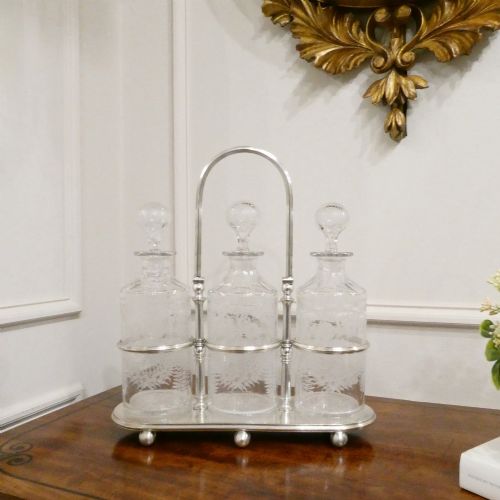
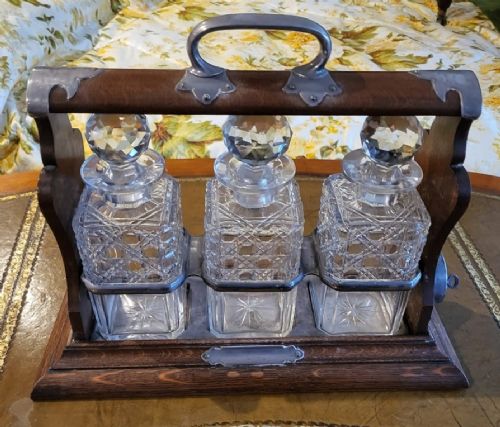
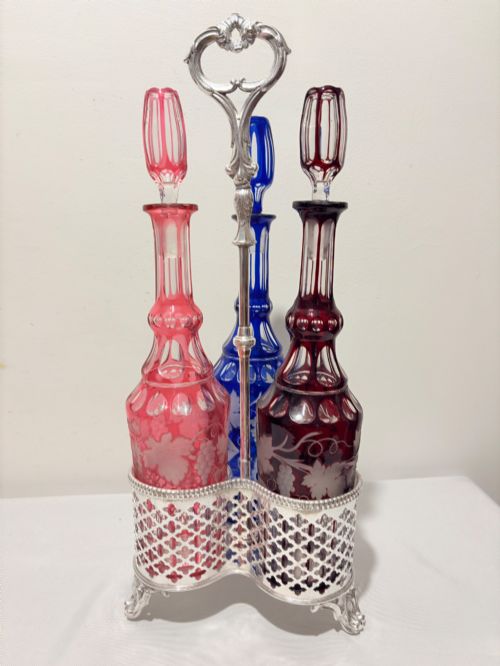
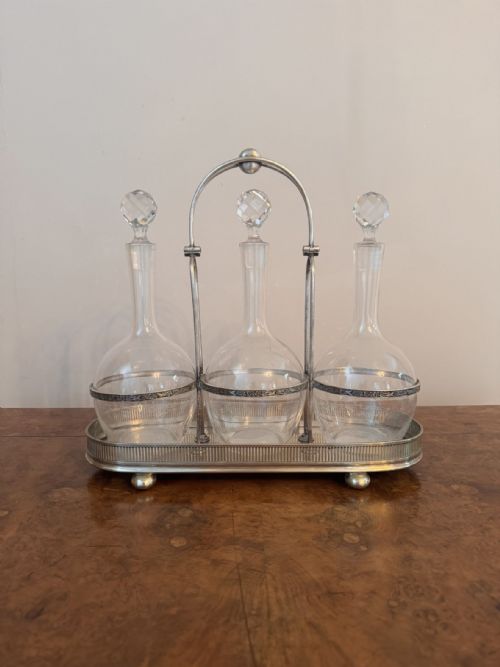
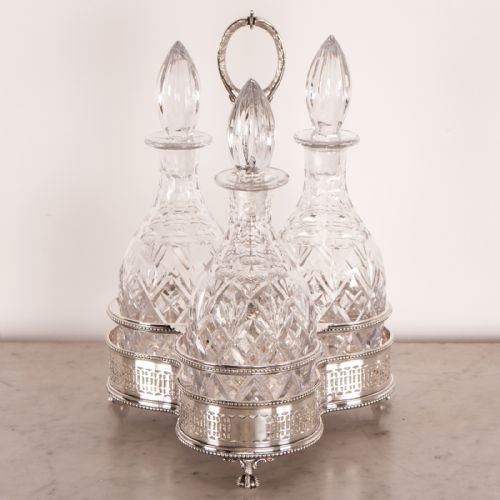
A silver glass tantalus keeps spirits secure beneath a locking metal frame, offering a glimpse of cut crystal and bright plating.
Silver Glass Tantalus
When you search for a silver glass tantalus, you find locking decanter frames and barware designed to protect household spirits from unauthorized access. The locking mechanism holds the stoppers firmly in place until a key releases the frame.
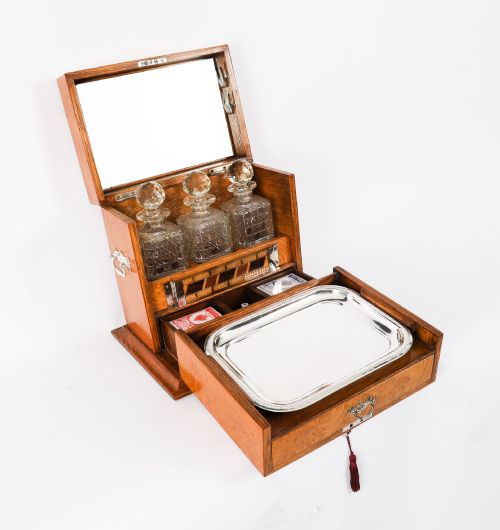
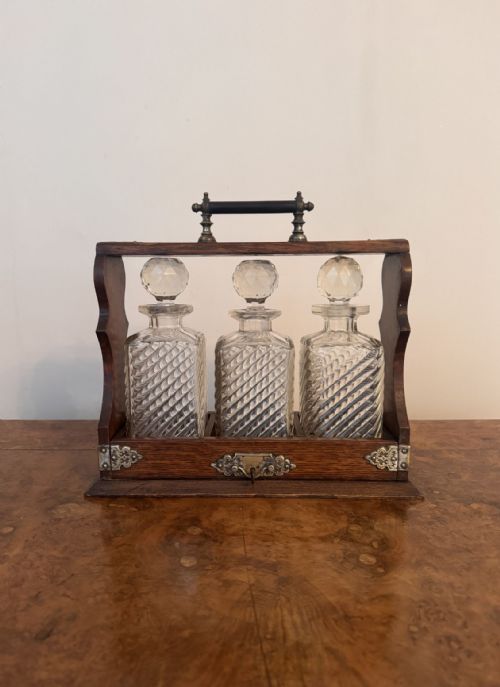
Most examples encountered here date from the Victorian and Edwardian periods, constructed to sit on after-dinner sideboards or within games compendiums. Oak and silver plate form the typical foundation, housing cut glass or crystal decanters.
Some pieces incorporate single or multiple bottles alongside tot pails and matching labels. The design combines utility with decorative display, reflecting late nineteenth and early twentieth-century entertaining habits.
How they were made
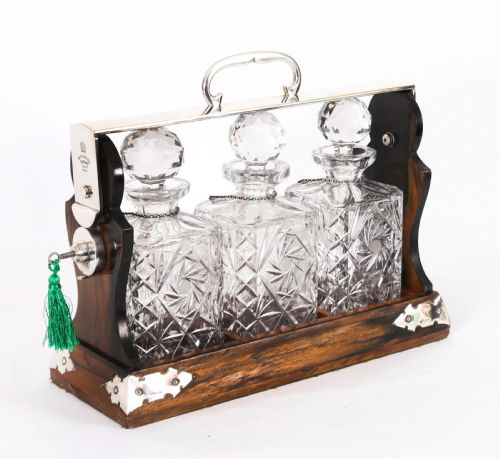
The construction relies on solid timber frames, particularly blonde oak and exotic coromandel, fitted with cast and plated metal locking mechanisms. Silver plating and sterling silver provide the protective hardware that secures the bottlenecks.
Vessels are shaped from cut glass and cut crystal, often featuring heavy facets that catch the light. Metal mounts and handles are screwed or pinned directly into the wood cabinetry to support the weight of filled decanters.
Silver Glass Tantalus Retail Price Guide 2026
Typical asking prices for silver glass tantalus among the pieces listed under this phrase on Sellingantiques today, from the lower quarter to the upper quarter. They describe what is for sale here now, not the wider market.
Materials recorded across the inventory include oak, coromandel, sterling silver, silver plate, and cut crystal glass.
What varies in quality
Quality depends upon the complexity of the mechanism and the integrity of the matching glassware. Maker attribution to firms such as Betjemann or Hukin and Heath elevates the standing of an item.
Walker and Hall·Betjemann·Betjemann Brothers·Elkington·The Goldsmith Co.·Hukin and Heath·Philip Ashberry·Mappin Brothers
The Silver Glass Tantalus Glossary
- Tantalus
- A locking frame that holds decanters securely by their stoppers so the contents cannot be poured without a key. This clever device is named after the mythological figure who was kept just out of reach of food and drink.
- Decanter
- A heavy glass vessel used for holding and serving wine or spirits. They frequently feature deep cut crystal facets and matched glass stoppers.
- Silver Plate
- A thin layer of silver fused to a base metal such as copper or nickel silver. This technique created the appearance of solid silver at a lower production cost.
- Coromandel
- A dense, dark decorative wood imported from Asia, often used for luxury boxes and tantalus frames. Its rich grain patterns mark high-status Victorian pieces.
- Games Compendium
- A multi-functional box containing supplies for various parlour pastimes, occasionally incorporated into tantalus and dry bar units.
Silver Glass Tantalus: Frequently Asked Questions
How does a tantalus lock work?
A metal bar swings over the glass stoppers to prevent them from being lifted out of the decanters. Turning a key in the side or top mechanism releases this restraining arm.
Once unlocked, the bar pivots downward or slides away to free the bottles for pouring. Original working keys are particularly desirable for these locking frames.
What is the difference between cut glass and crystal?
Crystal contains lead oxide, which adds weight, brilliance, and a clear ring when struck. Cut glass lacks this lead content but still receives deep decorative facets.
Both materials appear frequently in nineteenth-century barware and decanter sets. Crystal vessels tend to refract light more sharply than standard glass.
How were these pieces used historically?
Households placed them on sideboards in dining rooms or studies to dispense after-dinner drinks. The lock prevented household staff or guests from accessing the spirits without permission.
Many examples combine the decanter stand with a games compendium or dry bar to entertain visitors. They formed a standard part of Victorian and Edwardian hospitality.
How do I care for silver plated stands?
Silver plate requires gentle cleaning with a soft cloth and specialised polish to preserve the metallic coating. Avoid abrasive cleaners that can wear away the thin silver layer over the base metal.
Glass decanters should be washed separately with warm water and bottle brushes. Keeping the wooden bases dry prevents warping and protects any interior velvet or leather linings.
Can missing stoppers be replaced?
Finding an exact match for a cut crystal stopper can be difficult due to variations in hand-cut necks. Collectors prefer pieces that retain their original matching glassware and stoppers.
Replacements are sometimes sourced, but mismatched cuts affect the overall appearance of a decanter set. Checking listings for original components ensures historical consistency.